

Limited Edition Coffee: Meaning Explained for Enthusiasts
What does limited edition coffee actually mean?
Limited edition coffee refers to small-batch releases sourced from specific farms or micro-lots, produced in quantities so tight that once they sell out, they’re gone. No restock. No second run. The term covers a range of specialty releases, from single-origin micro-lots tied to a single harvest season to experimental processing batches that yield flavors you simply won’t find in any grocery aisle blend.
What separates a genuine limited edition from a marketing label is a combination of sourcing specificity, production scale, and traceability. Roasters who do this well can tell you exactly which farm, which plot, and often which farmer grew the beans. That level of detail isn’t just a story. It’s the foundation of the flavor.
Key defining traits of limited edition coffee:
- Small production volume: Often fewer than a few thousand bags, sometimes far less
- Single-origin sourcing: Beans from one farm, one region, or one specific micro-lot
- Unique flavor profiles: Notes like stone fruit, jasmine, or black tea that mass-market blends can’t replicate
- Traceable supply chain: Direct relationships between roasters and farmers
- Time or quantity limits: Available only while supply lasts, or during a defined seasonal window
- Special processing: Techniques like natural, honey, or macerated fermentation that shape the final cup
Why specialty roasters launch limited edition coffees
The short answer is differentiation. Specialty coffee is a crowded market, and a roaster selling the same rotating single-origins as everyone else has no particular reason to hold your attention. A limited release tied to a specific harvest or a farmer’s experimental processing method gives consumers a reason to pay attention and act fast.
Scarcity drives desire, and roasters know it. By controlling supply, they can justify premium pricing, build anticipation, and create the kind of urgency that keeps enthusiasts checking their email newsletters. Limited editions also serve as a brand renewal tool, pulling lapsed customers back in with something genuinely new.
Why roasters invest in limited releases:
- Brand differentiation: Unique offerings separate specialty roasters from commodity sellers
- Showcasing farmers and harvests: A limited edition can spotlight a specific producer’s work and reward their craft
- Generating consumer urgency: Time-limited or quantity-limited availability motivates faster purchasing decisions
- Status and collectibility: These coffees function as status symbols among enthusiasts, similar to rare wine vintages
- Rekindling interest: A new release gives existing customers a fresh reason to engage with a brand
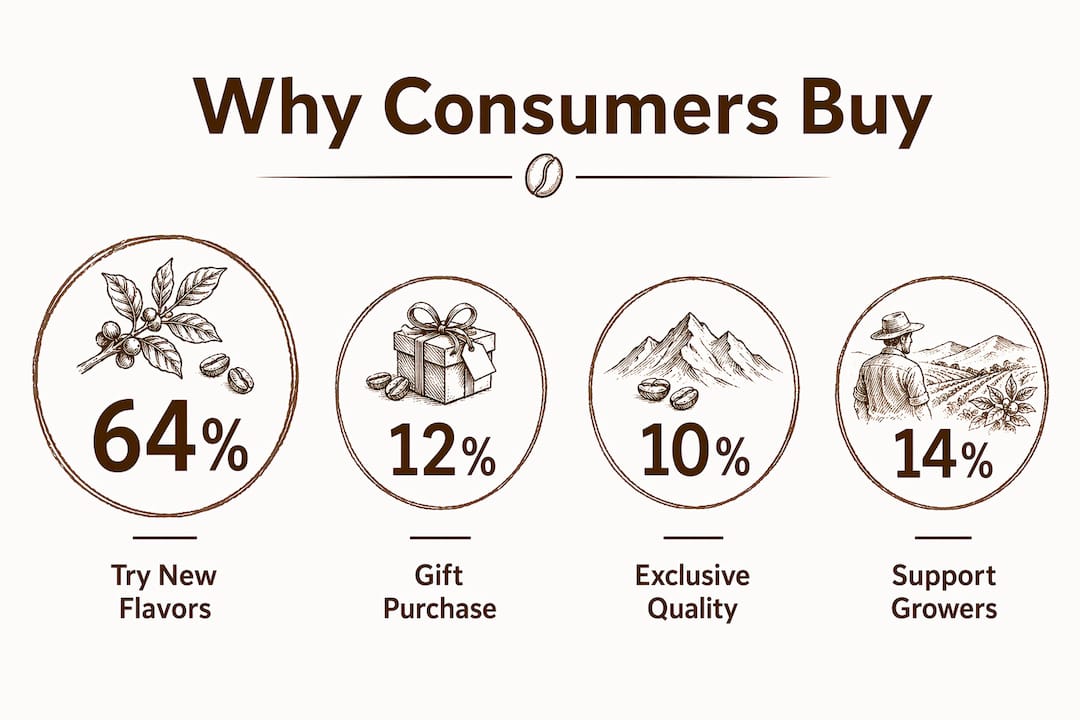
According to a Perfect Daily Grind poll, 64% of consumers buy limited edition coffees to try new flavor profiles, 12% purchase for exclusivity, and 23% do not purchase them at all. Flavor, not status, drives most purchases.
What makes limited edition coffees genuinely worth it?
The flavor ceiling is higher. When a roaster sources a micro-lot from a farm at high elevation with nutrient-rich volcanic soil, the resulting cup can carry notes that a standard commercial blend physically cannot produce. Stone fruit, florals, complex fermentation-driven acidity: these aren’t marketing language, they’re the direct result of specific terroir and processing conditions.
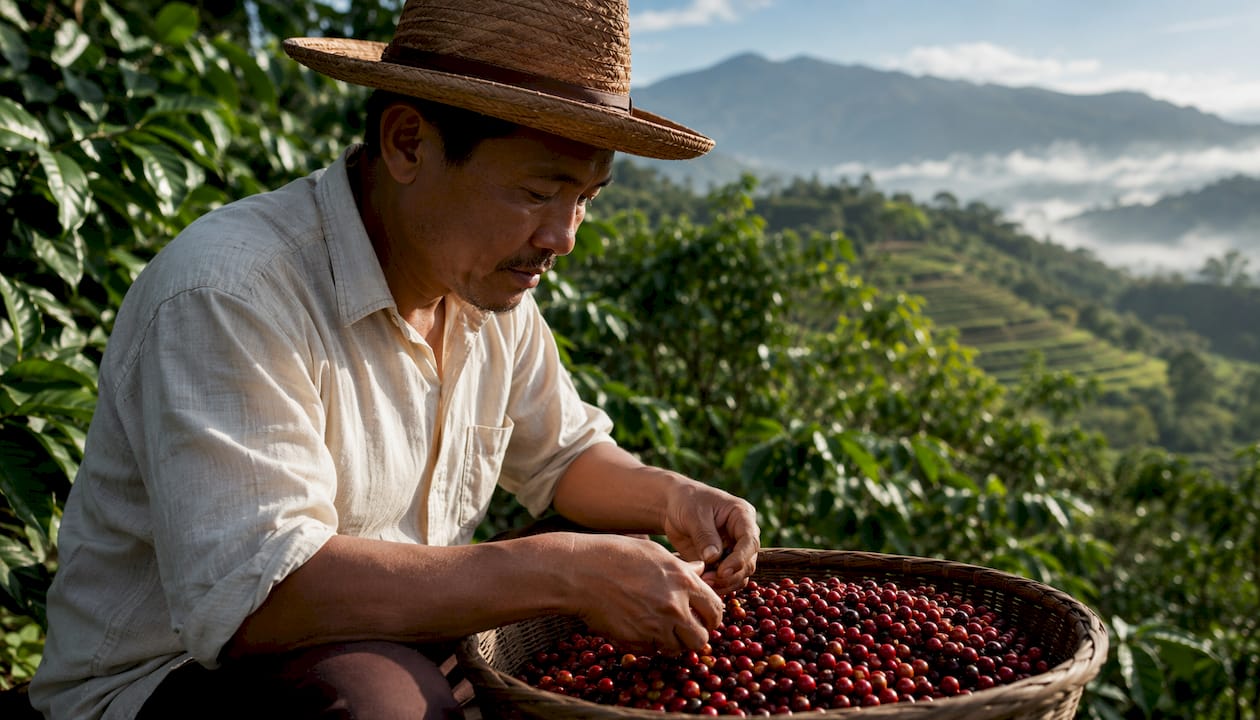
Traceability adds another layer. Knowing the farm, the farmer, and the harvest season transforms a morning cup into something with context. That storytelling element is part of what consumers are paying for, and it’s not trivial. Origin transparency and craftsmanship create an emotional connection to the product that a generic blend simply can’t offer.
Small-batch roasting also means fresher coffee. Because quantities are limited, roasters move through inventory quickly, and you’re far less likely to receive beans that have been sitting in a warehouse for months.
Key qualities that set limited editions apart:
- Distinct, complex flavor profiles shaped by unique farming conditions and processing
- Freshness from rapid small-batch turnover
- Authentic storytelling connecting the cup to a specific place and person
- Ethical sourcing through direct trade relationships with farmers
- Experimental processing techniques that produce flavors unavailable in standard releases
Pro Tip: Before paying a premium for a limited edition, check whether the roaster publishes the farm name, harvest date, and processing method. If those details are missing, the “limited edition” label may be more marketing than substance. A roaster who can tell you the altitude and soil type of the farm is one who actually sourced the coffee with care. You can also use coffee cupping techniques to evaluate whether the flavor complexity justifies the price.
How limited edition coffees are produced and why scarcity matters
Two distinct scarcity strategies define how roasters position these releases. Limited quantity scarcity (LQS) means the coffee is available until stock runs out, full stop. Limited time scarcity (LTS) means it’s available only during a defined window, regardless of remaining inventory. Many releases combine both.
The production path behind these coffees is genuinely more demanding than standard specialty lots. Micro-lot farming isolates the highest-quality cherries from a small plot, often requiring additional hand-sorting, specialized drying, and careful fermentation. Yields are a fraction of a full harvest. Each batch is seasonal and unrepeatable. Next year’s crop from the same farm will taste different because rainfall, temperature, and soil conditions shift year to year.
Since 2024, rising supply chain costs have pushed many roasters to scale back on micro-lot sourcing. The logistics of handling small, non-standard quantities are expensive, and those costs flow directly into the retail price. Higher prices in limited editions often reflect traceability and handling complexity, not just bean quality.
Market context: Demand among niche specialty consumers remains strong, but the number of roasters actively releasing micro-lots has contracted since 2024 as supply chain pressures have made sourcing more selective.
Production and scarcity at a glance:
- Micro-lot sourcing: Small, isolated plots with exceptional growing conditions
- Hand-sorted processing: Labor-intensive cherry selection that standard lots skip
- Experimental fermentation: Methods like macerated fermentation that create distinctive flavor compounds
- Seasonal, non-repeatable batches: Each harvest produces a unique cup that can’t be exactly replicated
- LQS and LTS strategies: Availability ends either when stock runs out or when the release window closes
- Premium pricing structure: Covers traceability, logistics, and small-batch handling, not just bean grade
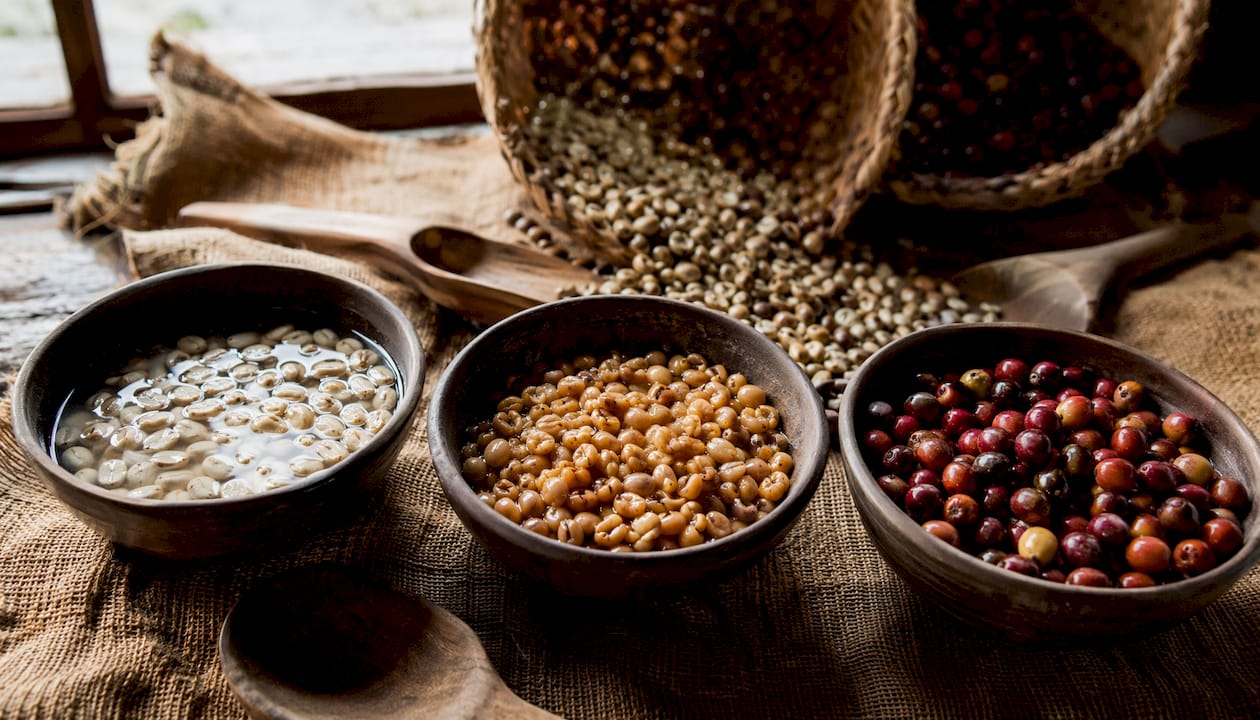
Understanding coffee processing methods helps you appreciate why two coffees from the same farm can taste dramatically different depending on how they were handled after harvest.
Examples of what limited edition coffees look like in practice
The clearest example is a geisha varietal from a Panamanian farm, released as a micro-lot tied to a single harvest season. Geisha is notoriously difficult to grow, produces low yields, and delivers a cup profile dominated by jasmine, bergamot, and tropical fruit. A bag sells out within days of release. That’s the archetype.
Ethiopian natural-process micro-lots follow a similar pattern. A specific plot in Yirgacheffe or Guji produces a batch with blueberry and wine-like fermentation notes that no washed coffee from the same region can match. The processing method, the specific plot, and the harvest year all combine to make it a one-time offering.
Barrel-aged coffees represent another category. Beans aged in whiskey or bourbon barrels absorb wood and spirit characteristics that create a flavor profile impossible to achieve through roasting alone. Thejcoffeecollection’s Whiskey Barrel Aged Coffee from Guatemala is a good example of this approach: a specific origin, a defined aging process, and a flavor profile that stands apart from anything in a standard lineup.
Seasonal holiday blends, like the kind roasters release in late fall, also qualify when they’re tied to a specific harvest year and produced in defined quantities. The key distinction from a standard seasonal offering is that a true limited edition won’t return in the same form next year. The flavor profile is tied to that harvest, not a repeatable recipe.
Explore specialty and limited edition coffees at Thejcoffeecollection
Thejcoffeecollection curates a range of specialty and single-origin coffees that reflect the same values driving the best limited edition releases: traceable sourcing, distinct flavor profiles, and careful selection. Whether you’re looking for a single-origin to explore a specific region or a single-origin sample pack to compare flavor profiles across six world regions, the collection is built for coffee drinkers who want more than a generic cup.
Key Takeaways
Limited edition coffee is defined by small-batch production, traceable single-origin sourcing, and scarcity strategies that make each release a genuinely unrepeatable sensory experience.
| Point | Details |
|---|---|
| Core definition | Limited edition coffee comes from micro-lots in small quantities, with traceable farm-level origins. |
| Primary consumer motivation | 64% of buyers purchase limited editions to explore new flavor profiles, 12% are motivated by exclusivity, and 23% do not purchase them. |
| Scarcity types | Roasters use limited quantity (LQS) or limited time (LTS) strategies, often combining both, to drive urgency. |
| Pricing reality | Higher prices reflect traceability and small-batch handling costs, not solely the quality of the bean itself. |
| 2026 market context | Rising supply chain costs since 2024 have made roasters more selective, but demand among specialty enthusiasts remains steady. |