

Types of Single Origin Coffee: A Flavor Guide
Single origin coffee is defined as beans sourced exclusively from one known geographic location, ranging from an entire country to a single micro-lot on one farm. That geographic specificity is the foundation of everything you taste in the cup. The types of single origin coffee form a hierarchy, from broad country designations to ultra-traceable micro-lots, and each level delivers a different degree of flavor clarity and provenance detail. Understanding where your coffee sits on that spectrum makes you a sharper buyer and a more perceptive taster.
1. What are the main types of single origin coffee?
Single origin coffee spans a ladder of specificity: country, region, estate or farm, and micro-lot. Each step up that ladder narrows the source and sharpens the flavor identity. Here is how each type works in practice.
Country-level single origin is the broadest designation. The label “Ethiopia” or “Colombia” tells you the country of origin, but beans from dozens of farms and multiple growing regions may be blended under that name. Flavor profiles are general and can vary widely between harvests and suppliers.
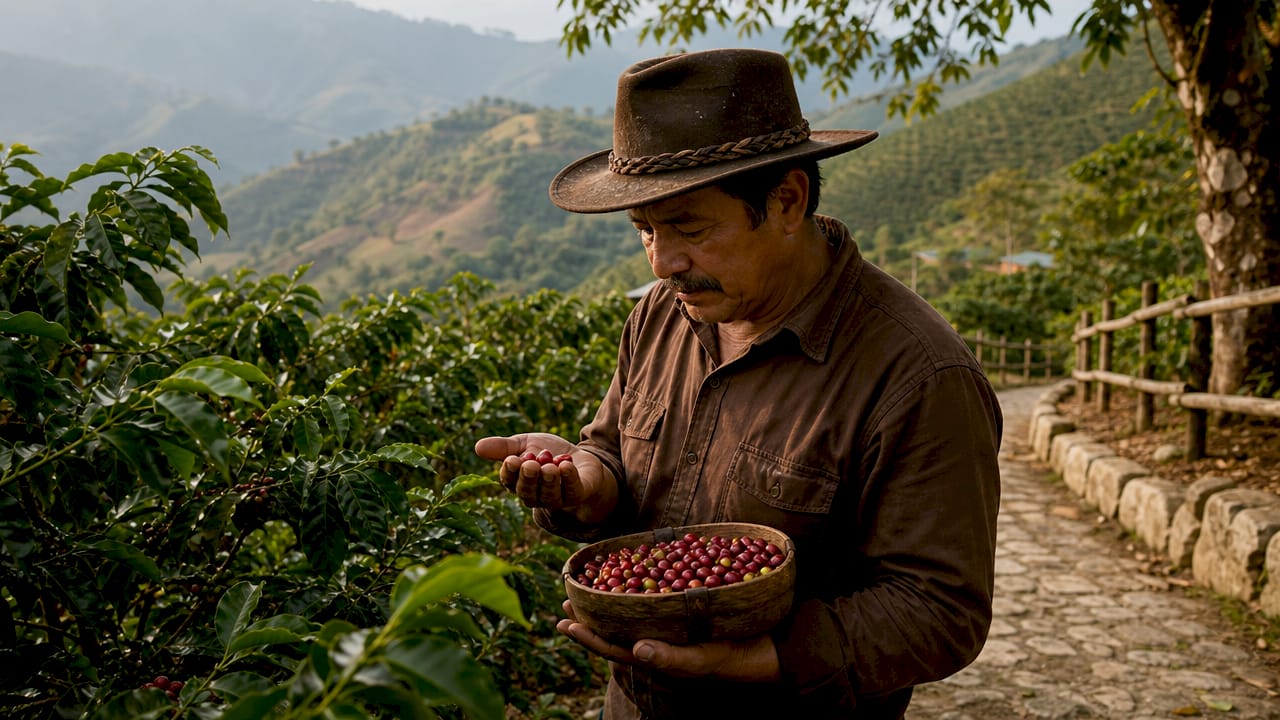
Regional single origin narrows the source to a recognized sub-region, such as Ethiopia’s Yirgacheffe or Colombia’s Huila. These regions carry established flavor reputations built on consistent terroir, altitude, and processing traditions. You get more predictable taste notes and stronger traceability than a country label alone provides.
Estate or farm-level single origin means the coffee comes from one specific farm or estate. This level introduces a named producer, a consistent processing approach, and a flavor profile tied directly to that farm’s soil and practices. Estate coffees are where identity preservation becomes a real operational commitment, since lots must stay separate from harvest through roasting.
Micro-lot single origin is the most specific designation. Micro-lots are small, separately processed batches often tied to a single field and a specific harvest date, typically consisting of just a few hundred kilos. They carry the highest traceability and the most distinct flavor signatures. They also command the highest prices, reflecting the extra labor required to track and preserve each lot’s identity.
2. How do flavor profiles differ across these types?
Geographic specificity directly shapes flavor clarity. Country-level coffees offer a general character, but the cup can taste different from bag to bag. Regional and estate coffees deliver more consistent, recognizable notes tied to terroir.
Notable single origin regions each carry distinct flavor profiles linked to their growing conditions and processing methods:
- Ethiopia (Yirgacheffe): Bright citrus, floral jasmine, and bergamot notes from high-altitude washed processing.
- Colombia (Huila, Nariño): Caramel sweetness, red fruit, and mild acidity from volcanic soil and twice-yearly harvests.
- Kenya (Nyeri, Kirinyaga): Bold blackcurrant, tomato, and citrus from the SL28 and SL34 cultivars and Kenya’s distinctive double-fermentation washing process.
- Brazil (Cerrado, Sul de Minas): Nutty, chocolate, and low-acid profiles from natural processing at lower altitudes.
- Guatemala (Antigua, Huehuetenango): Dark chocolate, brown spice, and stone fruit from volcanic soil and high elevation.
Micro-lots from any of these origins present the clearest, most consistent version of those flavor notes. A Yirgacheffe micro-lot will taste more precisely floral than a broad Ethiopia country blend. That precision is the point.
Brewing methods matter just as much as origin. Single origin coffees suit pour-over and filter brewing because those methods highlight the origin’s individual character without masking it. A V60, Chemex, or AeroPress lets the terroir speak. Espresso can work well with estate or micro-lot coffees, but it demands careful dialing in since the concentrated extraction amplifies both strengths and flaws.
Pro Tip: Try the same single origin coffee as both a pour-over and a cold brew. Cold brew softens acidity and brings forward sweetness, which can reveal chocolate or fruit notes that a hot brew masks.
3. What to look for when buying single origin coffee
Single origin is a geographic claim, not a quality guarantee. Quality depends on grading, processing, and roasting. A country-level label with no additional detail tells you very little about what is actually in the bag.
The best single origin purchases include specific provenance information. Look for these details on the bag or product page:
- Region or farm name: Confirms the coffee goes beyond a country-level designation.
- Processing method: Washed, natural, or honey processing each produces different flavor outcomes. You can learn more about how these methods shape taste in this processing methods guide.
- Harvest or crop year: Fresh coffee tastes better. A roast date within the past 60 days is the standard to aim for.
- Altitude and variety: Higher altitudes generally produce denser beans with more complex acidity. Variety names like Gesha, Bourbon, or Typica signal flavor potential.
Country-level labels often omit processing and harvest details, making them less specific and sometimes misleading about flavor expectations. That vagueness is not always intentional, but it does mean you should ask questions before buying.
Pricing reflects specificity. Micro-lots carry significant labor and logistics overhead for identity preservation, which justifies their premium pricing and limited availability. A micro-lot from a named farm in Kenya will cost more than a broad Kenya country blend. That price difference buys you traceability, flavor consistency, and a direct connection to the producer.
Pro Tip: When buying online, filter for coffees that list a farm name and processing method. Those two details alone separate genuinely traceable single origins from marketing-vague country labels.
4. Single origin vs. blends: when to choose each
Single origin coffees emphasize origin character and terroir, while blends are engineered for flavor repeatability. Neither is objectively better. They serve different goals.
Single origins shine when you want to taste a specific place. A washed Ethiopian Yirgacheffe brewed as a pour-over is a direct expression of that farm’s soil, altitude, and processing. Blends, by contrast, combine beans from multiple origins to hit a target flavor profile that stays consistent across harvests and seasons. You can read a deeper breakdown in this single origin vs. blend comparison.
| Factor | Single origin | Blend |
|---|---|---|
| Flavor goal | Express terroir and origin character | Achieve consistent, balanced flavor |
| Best brewing method | Pour-over, filter, AeroPress | Espresso, milk-based drinks |
| Consistency | Varies by harvest and season | Stable across batches |
| Traceability | High, especially at estate and micro-lot level | Lower, multiple sources combined |
| Price | Higher for micro-lots and estates | Generally more accessible |
Blends work better for espresso and milk-based drinks because roasters can adjust the recipe to compensate for seasonal variation. Single origins in espresso can be spectacular, but they require more adjustment as the harvest changes. For home brewers who want to taste what coffee can really express, single origins are the clearer choice.
Key takeaways
Single origin coffee’s value lies in verifiable provenance, and the more specific the designation, the more distinct and traceable the flavor becomes.
| Point | Details |
|---|---|
| Specificity drives flavor clarity | Micro-lots deliver the most distinct and consistent flavor; country labels are the broadest. |
| Origin is not a quality verdict | Quality depends on grading, processing, and roasting, not the origin label alone. |
| Brewing method matters | Pour-over and filter brewing best highlight single origin character and terroir. |
| Provenance details are key | Look for farm name, processing method, and harvest date before buying. |
| Price reflects traceability | Micro-lots cost more because identity preservation requires extra labor and logistics. |
What I’ve learned from years of tasting across the spectrum
The most common mistake I see coffee enthusiasts make is treating “single origin” as a synonym for quality. It is not. I have tasted country-level single origins that were flat and forgettable, and I have tasted blends that were genuinely complex. The label tells you where the coffee came from. It does not tell you how carefully it was grown, processed, or roasted.
What actually changed my approach was learning to read provenance details the way a sommelier reads a wine label. A bag that lists the farm name, the specific processing method, and the harvest date is giving you real information. A bag that just says “Ethiopia” is giving you a starting point, nothing more. The terroir and flavor connection only becomes meaningful when you can trace it back to a specific place and practice.
My honest recommendation: start with a regional single origin from a place you already enjoy, then work your way toward estate and micro-lot coffees from that same region. The contrast will teach you more about flavor than any tasting note ever could. Experimenting across the full spectrum is not just educational. It is genuinely one of the most satisfying things you can do as a coffee enthusiast.
— jonathan
Thejcoffeecollection’s curated single origin selections
Thejcoffeecollection sources single origin coffees across the full specificity spectrum, from approachable regional selections to traceable estate and micro-lot offerings. Every coffee in the collection includes provenance details so you know exactly what you are buying.
The single origin coffee collection covers multiple world regions, with roast dates and processing information listed for each product. If you want to taste across origins before committing to a full bag, the six-region sample pack is the most direct way to compare flavor profiles side by side. Each selection is freshly roasted and shipped to your door, so the coffee arrives at peak flavor.
FAQ
What does single origin mean in coffee?
Single origin means the coffee beans come exclusively from one known geographic location. That location can range from an entire country to a specific micro-lot on a single farm.
Is single origin coffee always higher quality?
No. Single origin is a geographic claim, not a quality verdict. Quality depends on grading, processing, and roasting. A country-level single origin with no additional detail can be lower quality than a well-crafted blend.
What is a micro-lot coffee?
A micro-lot is a small, separately processed batch of coffee, often just a few hundred kilos, tied to a single field and harvest date. Micro-lots carry the highest traceability and typically command premium prices due to the extra labor involved.
Which brewing method works best for single origin coffee?
Pour-over and filter methods, such as V60, Chemex, or AeroPress, best highlight single origin character. These methods emphasize origin flavor without the masking effect of milk or the intensity of espresso extraction.
How do I verify a single origin coffee’s traceability?
Look for a farm or estate name, a specific processing method, and a harvest or roast date on the bag. The best traceability includes region, farm, processing method, and harvest details. Country-only labels offer minimal verifiable provenance.
Recommended
- Single Origin vs Blend Coffee Explained – The J Coffee Collection
- Coffee Processing Methods Compared: A 2026 Flavor Guide – The J Coffee Collection
- Single Origin Coffee Sample Pack – 6 World Regions | Lets Go Coffee – The J Coffee Collection
- How to Buy Single Origin Coffee Online – The J Coffee Collection