

Drink 3–4 Cups: 10 Evidence Backed White Tea Benefits
Yes, white tea delivers several evidence-backed benefits, most notably antioxidant support, a heart-health association, oral-health effects, and modest metabolic advantages. The evidence ranges from small clinical trials to observational and preclinical work, so white tea is best viewed as a smart, low-calorie beverage choice within a healthy routine, not a treatment. The specifics, along with the caveats worth knowing, follow below.
TL;DR:
- Catechin levels in white tea vary widely depending on leaf type, harvest timing, and processing, so the antioxidant content is unpredictable.
- Most heart and metabolic benefits linked to white tea are based on observational data and animal studies, not conclusive human trials.
- White tea’s oral health advantages are supported by small trials showing enamel strengthening and bacteria interference, making it a practical benefit.
- The antioxidant and anti-aging effects on skin are mainly from lab and cell studies, not yet confirmed through human skin trials.
- Proper brewing at 175-195°F for 2-5 minutes and selecting high-quality, fresh, single-origin white tea enhances health benefits and flavor.
Table of Contents
- 10 Evidence-Backed White Tea Benefits Worth Knowing
- How to Brew White Tea for Maximum Benefit
- What the Science Actually Shows, and Who Should Be Careful
- What We Look for When Sourcing White Tea
- Try Quality White Tea for Yourself
- Sources
10 Evidence-Backed White Tea Benefits Worth Knowing
White tea comes from the same plant as green and black tea, Camellia sinensis, but it’s picked earlier and processed less, leaving young leaves and buds minimally oxidized. That light touch preserves a distinct mix of polyphenols, though not always more than green tea contains. Here’s what the research actually supports.
1. Antioxidant and polyphenol content. White tea carries catechins, including EGCG (epigallocatechin gallate), the same compound driving most of green tea’s reputation. But chemical analysis of white and green teas shows extreme variation in catechin content between subtypes, with some white teas testing on par with green tea and others falling well short. The antioxidant edge people assume white tea has isn’t automatic; it depends heavily on the specific leaf and how it was processed.
2. Heart and circulation support. Regular tea drinking correlates with lower heart disease risk, and researchers point to polyphenols like EGCG helping relax blood vessels and limit LDL oxidation. Most of this data is observational, tracking people’s tea habits over years rather than proving cause and effect in a lab.
3. Weight and metabolic effects. A comprehensive review tied white tea’s bioactive compounds to weight management and reduced oxidative stress, though the review’s authors are careful to note that many therapeutic applications still need larger clinical trials. Animal and lab studies suggest catechins can inhibit lipase activity, the enzyme that breaks down dietary fat, but the effect size in humans tends to be modest and works best when tea replaces sugary drinks rather than acting as a standalone fat burner.
4. Oral health. This is one of white tea’s stronger, more practical benefits. Fluoride, catechins, and tannins in the tea may strengthen enamel and interfere with plaque-forming bacteria, and several small trials have tested white-tea extract mouth rinses with encouraging results.
5. Anti-cancer signals. Laboratory studies have identified mechanisms by which white tea compounds may slow cancer-cell proliferation and protect liver cells from oxidative damage. This work is preclinical, meaning it happens in cell cultures or animal models, not in human clinical trials. Treat it as a mechanistic curiosity, not a reason to substitute tea for medical care.
6. Blood sugar and insulin resistance. Small trials and animal studies suggest catechins may improve insulin sensitivity, and the same comprehensive review found anti-diabetic associations worth further study. The clinical evidence in humans remains thin, so this benefit sits closer to “plausible” than “proven.”
7. Bone health. A handful of studies suggest tea polyphenols may support bone density through antioxidant and anti-inflammatory pathways, but the research pool here is small. This is one area where more human trials would help settle the question.
8. Skin aging and photoprotection. Lab studies show white tea extracts can inhibit the enzymes (elastase and collagenase) that break down collagen and elastin, the proteins that keep skin firm. That’s a promising signal for topical antioxidant use, though most evidence comes from cell studies rather than skin-on-a-person trials.
9. Neuroprotective potential. EGCG and L-theanine, both present in white tea, have been studied for their potential to protect neurons from oxidative stress, with some observational links to lower Alzheimer’s and Parkinson’s risk in tea drinkers generally. Framing here needs to stay cautious. Correlation in population studies doesn’t prove tea prevents neurodegeneration.
10. A smarter default beverage. Beyond any single mechanism, white tea’s simplest benefit is what it replaces. Swapping a sugary soda or an energy drink for an unsweetened cup gives you hydration, a modest antioxidant boost, and less caffeine than coffee, without the calories.
Fact check: Chemical analyses find that catechin levels vary more by leaf subtype, harvest timing, and processing than by the simple “white vs. green” label, according to research comparing phenolic and antioxidant profiles across tea types. Don’t assume the palest tea in your cabinet automatically has the most antioxidants.
How to Brew White Tea for Maximum Benefit
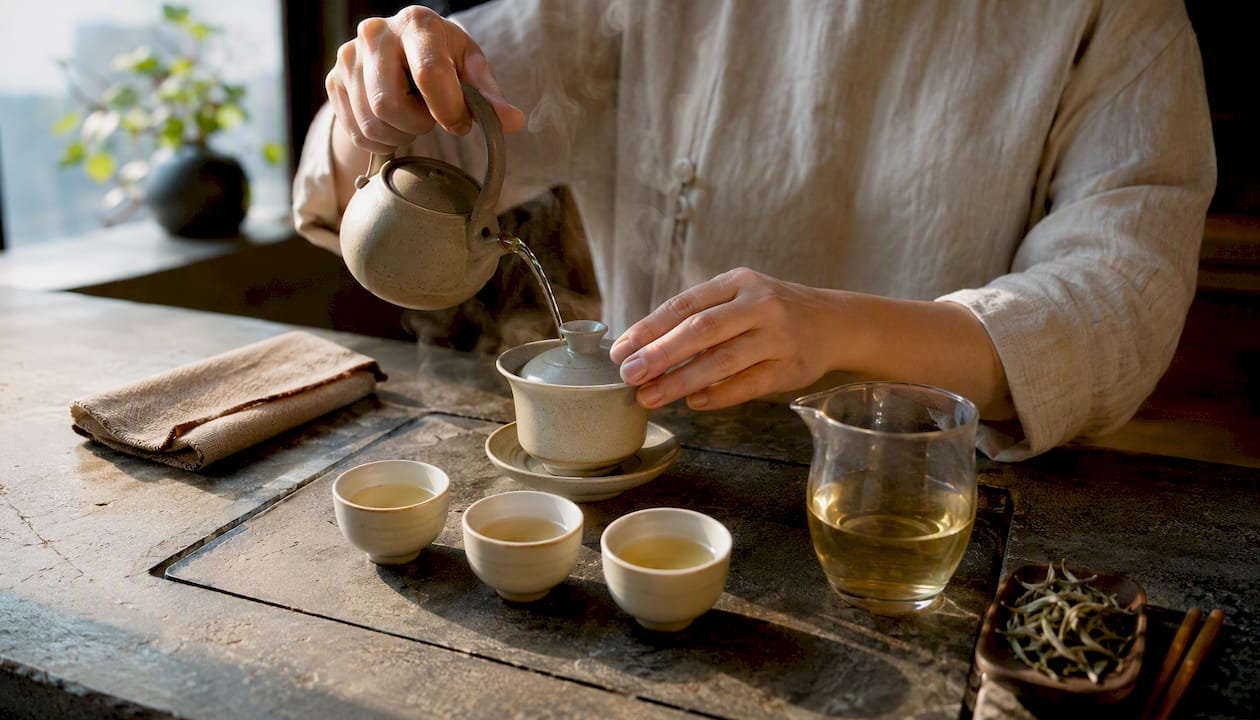
Getting the most out of white tea starts with temperature control, since these delicate leaves scorch easily and lose flavor and some of their compound integrity if the water is too hot.
- Heat water to 175 to 195°F. Boiling water (212°F) is too aggressive for white tea’s minimally processed leaves and will taste bitter and grassy.
- Steep for 2 to 5 minutes. Whole-bud varieties like Silver Needle can handle the longer end of that range; more broken leaf grades steep faster.
- Re-steep the same leaves. Good white tea holds up for two or three infusions, extending both flavor and your catechin intake per gram of leaf.
- Aim for 3 to 4 cups daily if you’re tracking intake. That’s the range most human studies use when measuring catechin exposure.
- Skip bottled or sweetened versions. Added sugar and heat processing during bottling strip out much of what makes tea worth drinking in the first place.
Caffeine content overlaps with green tea, generally lower than coffee but not negligible, especially with whole-bud leaf steeped long. If you’re sensitive to caffeine, brew shorter or drink earlier in the day. For a deeper comparison of how caffeine varies by tea type, our breakdown of caffeine in green tea applies almost identically to white tea’s chemistry.
Pro Tip: If you want more control over strength and flavor across multiple short infusions, try the gongfu brewing method. Our practical guide to gongfu-style brewing walks through the technique step by step.
What the Science Actually Shows, and Who Should Be Careful
Most of what’s known about white tea comes from a mix of lab work, animal studies, and a smaller pool of human trials. Reviews synthesizing all three conclude the pharmacological properties are promising but not yet definitive, largely because human trials tend to be small and short. Comparing studies is also tricky since catechin content swings widely between white tea subtypes and sourcing.
A few groups should talk to a doctor before making white tea a daily habit:
- Pregnant or breastfeeding people, due to caffeine content and limited safety data specific to tea extracts.
- Anyone on blood thinners like warfarin, since vitamin K and polyphenol interactions are possible.
- People with iron-deficiency anemia, because tea tannins can inhibit iron absorption from food.
- Anyone sensitive to caffeine or stimulant medications.
Drink it unsweetened, and never treat it as a substitute for prescribed treatment or medical advice.
— jonathan
What We Look for When Sourcing White Tea
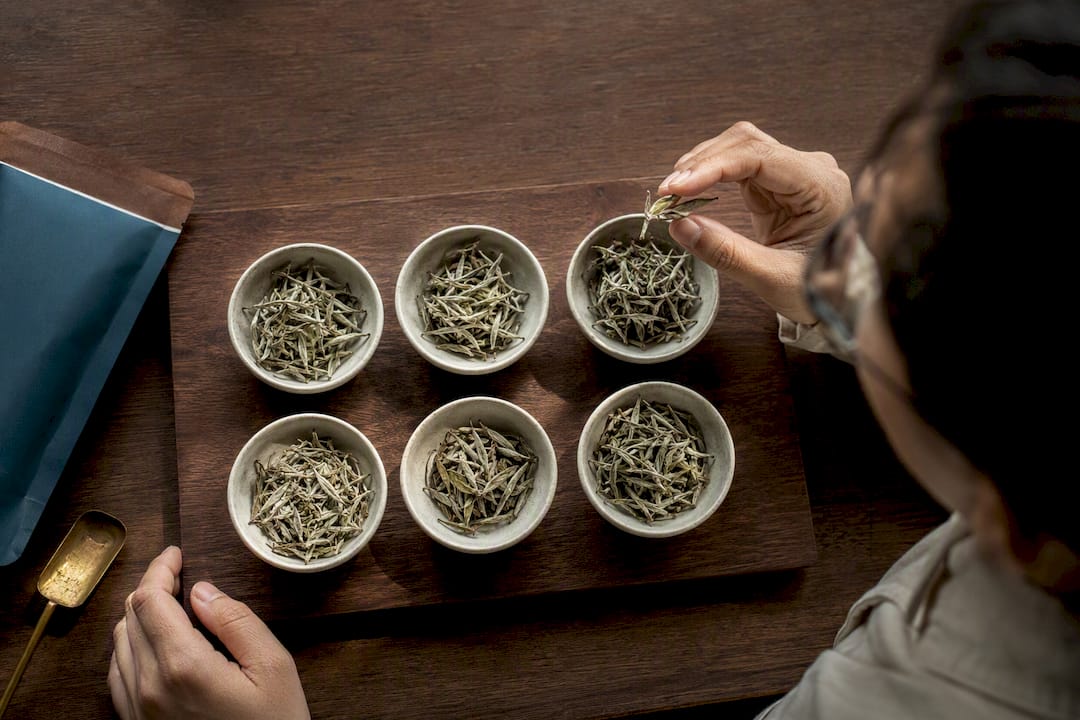
Not all white tea is created equal, and that’s not marketing talk. It’s the same variability the research keeps flagging. When we curate white tea at Thejcoffeecollection, we prioritize single-origin lots with clear harvest and varietal information, whether that’s Silver Needle (Bai Hao Yin Zhen) or White Peony (Bai Mudan), since those details tell you more about compound content than any generic “white tea” label ever will. Packaging matters too. Light and oxygen degrade catechins over time, so opaque, sealed packaging isn’t a nice extra, it’s a preservation requirement. If you’re new to white tea, start with a small quantity before committing to pricier whole-bud lots.
Try Quality White Tea for Yourself
Reading about catechins and EGCG is one thing. Tasting the difference between a mass-produced bagged white tea and a properly sourced whole-bud lot is another. That gap in quality is exactly why sourcing matters as much as the science.

Thejcoffeecollection curates single-origin teas alongside its coffee lineup, with an emphasis on freshness and traceable sourcing rather than generic wholesale leaf. If you’re not ready to commit to a full bag of Silver Needle or White Peony, sample packs are a low-risk way to compare varietals side by side before you settle on a favorite. Browse the current tea and coffee selection to see what’s in stock, or start with a smaller flavored sample pack if you’re still deciding what suits your taste. Either way, the next cup is one click away.
This article is general information, not a substitute for advice from a qualified doctor. Consult a qualified healthcare professional about your own circumstances before acting on anything here.
Sources
- Tea’s anti-obesity properties, cardiometabolic potential and adverse effects: A review focusing on white and green teas (PMC review)
- White and green teas: variation in phenolic, methylxanthine, and antioxidant profiles (PubMed)
- Are There Health Benefits to Drinking White Tea? - WebMD
- 10 Impressive Benefits of White Tea - Healthline