

Herbal Tea Gift Collections: A Complete Buyer's Guide
A herbal tea gift collection is a curated assortment of herbal tisanes (caffeine-free botanical infusions) and companion items packaged together for gifting. Unlike a single box of teabags, a well-assembled collection gives the recipient a range of flavors, occasions, and experiences in one thoughtful package.
Most collections include some combination of:
- Assorted herbal blends in teabag, sachet, or loose-leaf pouch format
- Sample-sized portions across 6–24 servings per box
- Brewing accessories such as infusers, mugs, honey sticks, or spoons
- Gift-ready packaging with ribbon, tissue, or a reusable tin
- Labeling that covers ingredients, caffeine status, and allergen notes
These sets work for nearly any occasion, from sympathy and get-well gestures to holiday gifts and corporate care packages. Because most herbal teas are naturally caffeine-free, they suit a wide range of recipients, including those who avoid coffee or black tea.
Key Takeaways
A herbal tea gift collection is a curated assortment of caffeine-free botanical infusions and companion items packaged for gifting, and the best ones combine ingredient transparency, meaningful serving counts, and a range of flavors that suit the recipient’s taste and occasion.
| Point | Details |
|---|---|
| Definition | A herbal tea gift collection bundles assorted herbal tisanes, accessories, and gift-ready packaging into one curated set. |
| Serving counts matter | Look for at least 4 servings per blend; sets commonly include 6–24 servings across multiple varieties. |
| Safety first | Check for caffeine labeling and avoid licorice root, high-dose ginger, and peppermint for recipients with specific health conditions. |
| Personalize the presentation | A brew card, small infuser, or local honey stick turns a standard box into a memorable, complete gift. |
| Thejcoffeecollection | Offers curated tea selections with tasting notes and format choices, including Moroccan Mint and Hibiscus Berry, available at thejcoffeecollection.com/collections/tea. |
Table of Contents
- What’s actually inside a herbal tea gift collection?
- Which botanicals show up most often, and what do they taste like?
- How do you pick the right set for the person you’re buying for?
- Brewing basics and storage for herbal tea gift sets
- Health and safety notes every gift buyer should know
- What do herbal tea gift collections typically cost?
- How to present and personalize a herbal tea gift collection
- How Thejcoffeecollection selects and assembles its tea collections
- Why gifting herbal tea carries cultural weight around the world
- A note on what makes a tea gift worth giving
- Thejcoffeecollection’s curated tea selection is worth a look
- Sources
What’s actually inside a herbal tea gift collection?
The contents vary by price point and seller, but a few elements show up consistently across most curated sets.
Tea formats are the core. Teabags are the most common because they’re convenient and portion-controlled. Sachets (pyramid or flat) hold slightly more leaf material and often produce a fuller flavor. Loose-leaf pouches give the most flexibility for brewing strength but require an infuser. Some sets mix all three formats, which is a nice touch for recipients who haven’t settled on a preferred brewing style.
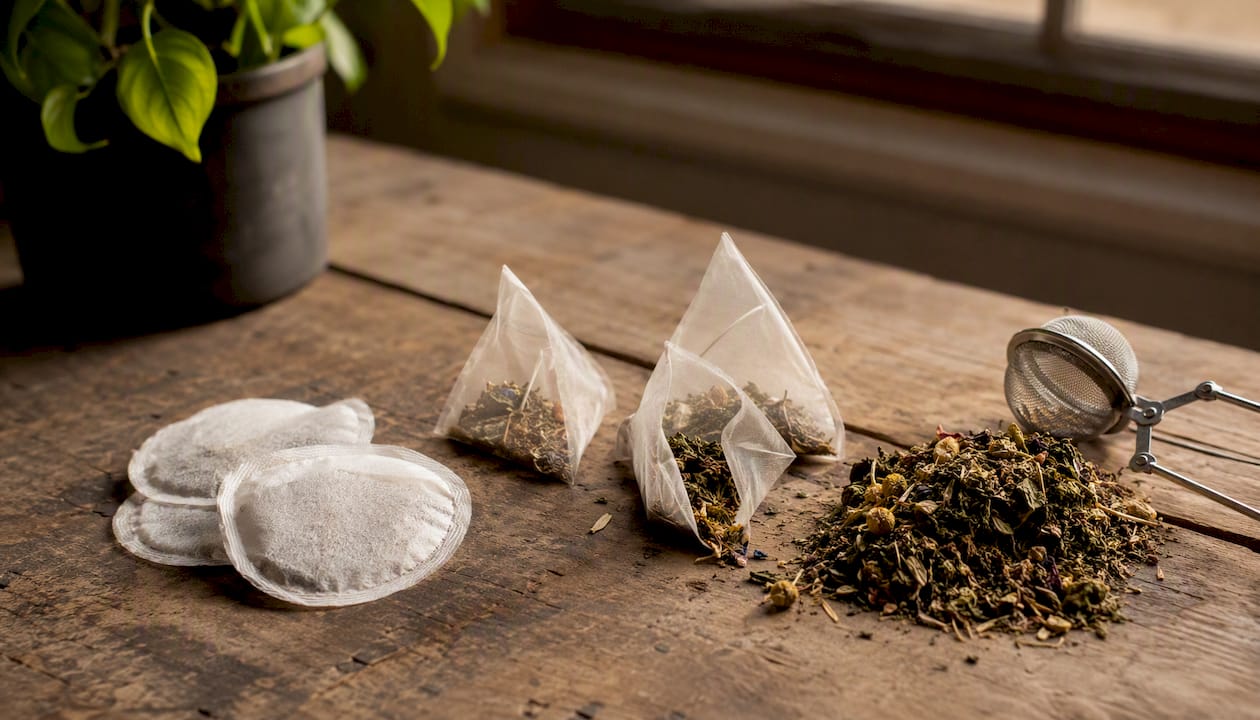
Serving counts matter more than most buyers realize. Gift sets commonly include 6–24 servings spread across multiple small pouches or bags. A box with eight varieties but only two bags per variety feels thin. Look for multiple servings per blend so the recipient can actually explore the flavor before it’s gone.
Accessories bundled into the box can include:
- Stainless steel or silicone infusers
- A ceramic or glass mug
- Honey sticks or a small jar of local honey
- A bamboo or stainless spoon
- A storage tin or resealable foil pouches
Labeling is where quality separates from filler. A good set lists every ingredient by blend, notes whether it’s USDA Organic or non-GMO certified, and flags caffeine status clearly. Some artisanal sellers also highlight fair-trade packaging and sustainable wrapping as part of the product presentation. Tasting notes per blend, similar to what specialty retailers like Palais des Thés publish on their product pages, help the recipient know what to expect before they brew.
Pro Tip: Count the total servings before buying, not just the number of varieties. Eight varieties at two bags each is 16 servings total. That sounds like a lot until you realize a daily drinker finishes it in two weeks.
Which botanicals show up most often, and what do they taste like?
Knowing the flavor profile of each botanical helps you match a set to the recipient’s palate. Here’s a quick reference for the six most common inclusions:
All six are naturally caffeine-free when brewed alone. The exception is blends that combine herbal botanicals with green or black tea leaves, which do contain caffeine. Always check the ingredient list.
A few pairing notes worth knowing:
- Chamomile + lemon balm is a classic calming combination and travels well together in a sleep-focused sampler.
- Hibiscus + ginger makes a bright, spicy blend that works beautifully iced. Thejcoffeecollection’s Hibiscus Berry Tea is a good example of this pairing done well.
- Peppermint + chamomile is gentle and widely liked, a safe pick for recipients whose preferences you don’t know well.
- Avoid pairing licorice root with ginger in large quantities for recipients on blood pressure medication or blood thinners — more on that in the safety section below.
Rooibos deserves a separate note. It’s a South African shrub infusion, not technically an herb, but it’s universally grouped with herbal teas because it’s caffeine-free and brews like one. Single-origin rooibos from the Cederberg region of South Africa has a noticeably different flavor than commodity blends, with a sweeter, more complex profile. When a seller cites the origin, that’s a meaningful quality signal.
How do you pick the right set for the person you’re buying for?
The best herbal tea gift basket for one person is the wrong choice for another. A few quick questions narrow it down fast.
Start with taste preferences. Floral and delicate (chamomile, lemon balm, rose) suits someone who finds strong flavors overwhelming. Bright and tart (hibiscus, rosehip) appeals to people who enjoy fruit teas or cranberry juice. Warming and spicy (ginger, cinnamon, clove) is the right call for cold-weather gifting or anyone who likes chai. Minty and clean (peppermint, spearmint) is almost universally liked and a safe default.
Check caffeine sensitivity. Most pure herbal sets are caffeine-free, but blends labeled “herbal green” or “herbal chai” often include tea leaves. If the recipient is caffeine-sensitive or pregnant, stick to single-ingredient or clearly labeled caffeine-free sets.
Consider dietary certifications. For health-conscious recipients, USDA Organic certification removes pesticide concerns. Non-GMO, gluten-free, and vegan labels matter to specific buyers. Ingredient transparency and certification badges increase perceived trust and justify a higher price, which is worth keeping in mind when comparing two sets at similar price points.
Match the occasion:
- Sympathy or get-well: Calming blends (chamomile, lemon balm, lavender) in a simple, understated box
- Birthday: A bright, varied sampler with a fun mug or infuser
- Holiday: Warming spice blends (ginger, cinnamon, clove) with gift-ready packaging
- Corporate: A clean, professional box with 8–12 varieties and no accessories (easier to ship)
- New parent or pregnancy: Caffeine-free, single-ingredient blends only; avoid licorice root, high-dose ginger, and any blend with stimulant herbs
Sampler vs. full-size: A sampler with 8–12 varieties is better for someone new to herbal tea. A full-size collection of 3–4 favorites suits someone who already knows what they like.
Pro Tip: When in doubt about a recipient’s preferences, a sampler that includes a brewing guide removes the guesswork for first-time herbal tea drinkers and makes the gift feel complete.
Brewing basics and storage for herbal tea gift sets
Herbal teas are forgiving to brew, but a few simple rules make a real difference in flavor.
Water temperature matters more for delicate botanicals than for tough roots. Chamomile, lemon balm, and rose petals do best at 200°F (just below boiling). Ginger root and rooibos can handle a full rolling boil at 212°F. Peppermint sits in the middle, around 205°F.
Loose-leaf teas need an infuser or a small strainer. Use about one heaping teaspoon per 8 oz of water. Teabags and sachets are self-contained, so just drop one in and follow the steep time above. Over-steeping herbal teas rarely makes them bitter the way black tea goes bitter, but chamomile can turn slightly grassy and hibiscus can get very tart if left too long.
Storage is where most people lose quality. Herbal teas stay fresh longest in airtight containers, away from light, heat, and moisture. Foil-sealed pouches and metal tins both work well. Paper boxes left open on a counter lose aroma within weeks. Most dried herbal teas hold their flavor for 12–24 months when stored properly, though they don’t “expire” in a safety sense after that window.
When gifting, a set that includes a storage tin or resealable foil pouches is a practical upgrade over a cardboard box with loose bags. The recipient can actually keep the tea fresh after opening.
Health and safety notes every gift buyer should know
Herbal teas are generally safe for most adults, but a few botanicals carry real cautions worth knowing before you hand a set to someone.
Consult a healthcare provider for recipients who are pregnant, breastfeeding, or taking prescription medications, since some botanicals interact with common drugs or are contraindicated during pregnancy.
Specific cautions by botanical:
- Chamomile: Cross-reactive with ragweed, chrysanthemum, and other Asteraceae family plants. Recipients with seasonal pollen allergies should start with a small amount.
- Peppermint: Can worsen acid reflux or GERD symptoms. Not ideal for someone with a known reflux condition.
- Licorice root: Raises blood pressure with regular high-dose consumption. Avoid gifting licorice-heavy blends to anyone managing hypertension.
- Ginger: At culinary amounts in tea, it’s well tolerated. At high doses, it may interact with blood-thinning medications like warfarin.
- Blends with tea leaves: Any blend labeled “herbal green” or “herbal chai” likely contains caffeine. Check the ingredient list.
Safety shortcut: When you’re unsure about a recipient’s health situation, choose a single-ingredient, certified caffeine-free sampler and include a note listing the botanicals. That one step lets the recipient make an informed choice.
When buying from any food vendor, it’s worth checking that the seller follows standard food-handling practices. Reputable sellers list their certifications and sourcing clearly on their product pages.
The safest default for an unknown recipient: a caffeine-free sampler of chamomile, peppermint, rooibos, and lemon balm, with full ingredient labels on every pouch.
What do herbal tea gift collections typically cost?
Price ranges in the U.S. market break into three rough tiers, and what you get at each level is fairly predictable.
Budget tier ($10–$25): A cardboard box with 12–24 teabags across 4–6 varieties. Usually no accessories. Packaging is functional but not gift-ready. Fine for a casual gesture or stocking stuffer.
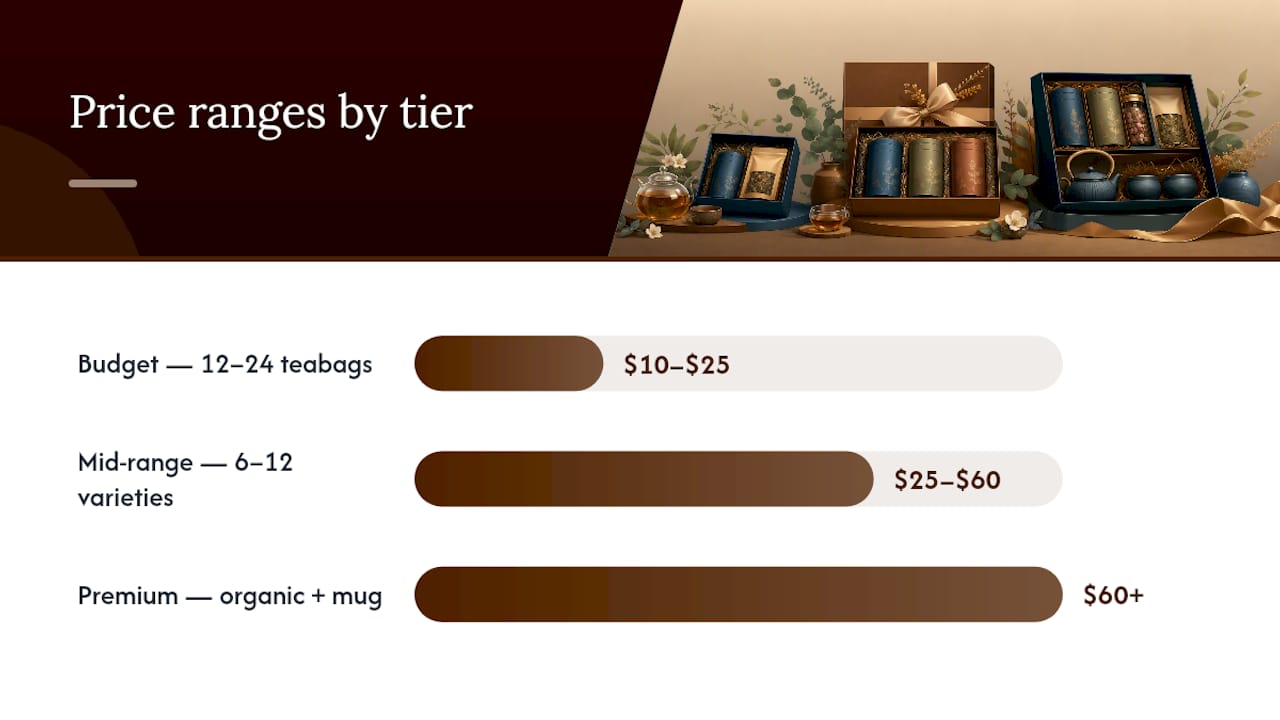
Mid-range tier ($25–$60): A curated box with 6–12 varieties, often in sachets or loose-leaf pouches. May include a small infuser, honey sticks, or a mug. Packaging is gift-ready. This is where most thoughtful herbal tea gift basket purchases land.
Premium tier ($60 and up): Artisanal or small-batch blends with USDA Organic certification, single-origin sourcing notes, premium accessories (a ceramic mug, a storage tin), and high-end packaging. Often sold by specialty retailers who publish tasting notes and sourcing details per blend.
Factors that push a set toward the higher end:
- USDA Organic or fair-trade certification
- Small-batch or hand-blended teas
- Single-origin sourcing with estate or region notes
- Included accessories (infuser, mug, tin)
- Branded or custom packaging
- Transparent ingredient lists with tasting profiles
Buying checklist before you purchase:
- Total serving count (not just variety count)
- Full ingredient list per blend
- Caffeine labeling
- Gift packaging included or available
- Shipping timeline relative to your gifting date
- Return or exchange policy
Sample packs and holiday bundles from direct-to-consumer sellers often deliver mid-range quality at budget prices, especially outside peak holiday windows.
How to present and personalize a herbal tea gift collection
Presentation is where a good tea set becomes a memorable gift. The tea itself is the substance; the wrapping is what the recipient sees first.
Packaging options range from a simple kraft paper box with a ribbon to a reusable wooden crate or a wicker basket lined with tissue. Reusable tins are particularly practical because the recipient keeps using them for storage after the tea is gone. Florists and gourmet gift shops often bundle tea sets with flowers or seasonal treats to increase the occasion-appropriateness of the gift, as seen in cross-category bundles like the Serene Love Gift Set that pair tea with complementary items.
Personalization ideas:
- Add a favorite mug in the recipient’s style (a handcrafted porcelain mug from a specialty shop like Myspinshop pairs beautifully with a loose-leaf set)
- Include a handwritten note with your favorite blend from the set and why you chose it
- Add a small jar of local honey or a honey dipper
- Tuck in a seasonal treat: candied ginger with a ginger tea, shortbread with chamomile, citrus slices with hibiscus
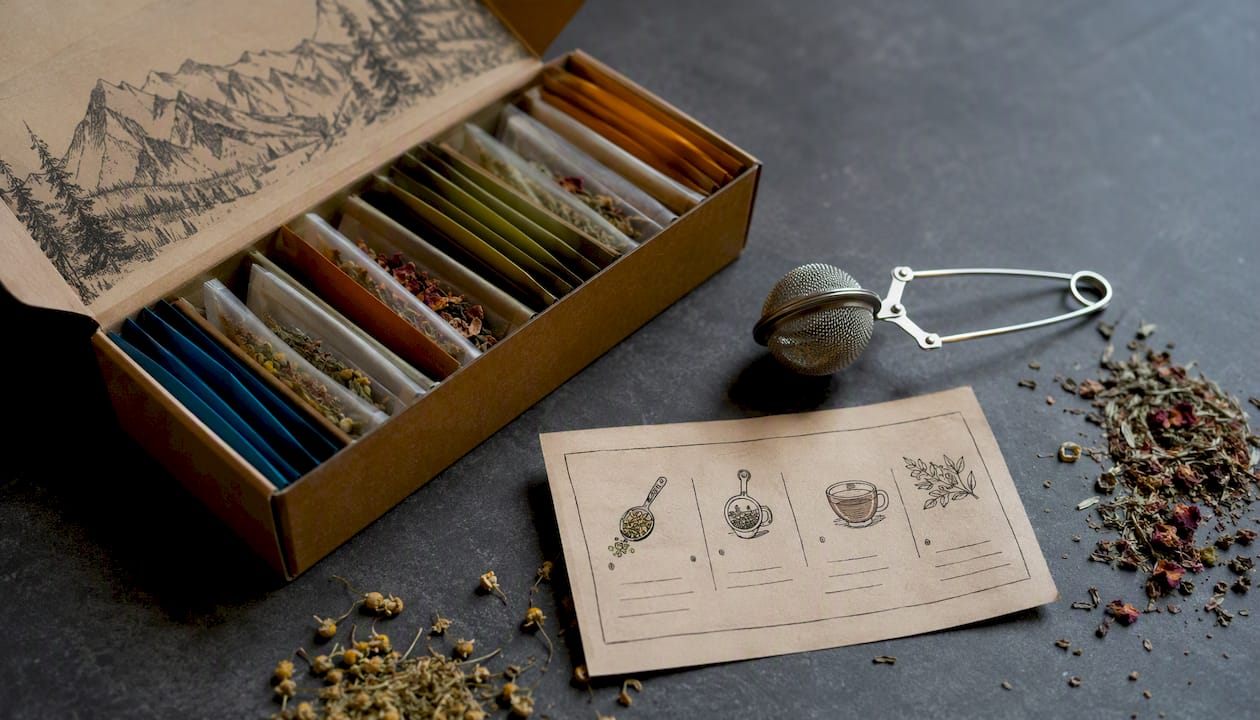
- Create a custom brew recipe card listing temperatures and steep times for each included botanical
Cultural and seasonal touches add depth. In many East Asian and Middle Eastern traditions, gifting tea carries a connotation of care, respect, and hospitality. A Moroccan mint tea set, for example, connects to a centuries-old tradition of mint tea as a gesture of welcome. Seasonal pairings work well too: warming ginger and cinnamon blends in winter, bright hibiscus and lemon balm in summer.
Pro Tip: A simple printed brew card tucked into the box, listing water temperature and steep time for each botanical, removes friction for first-time herbal tea drinkers and makes the gift feel complete. Pairing a small infuser with a sampler increases recipient satisfaction for exactly this reason.
How Thejcoffeecollection selects and assembles its tea collections
Not all curated sets are equal. The difference between a generic sampler and a genuinely curated collection comes down to what the seller checks before a blend makes it into the box.
Thejcoffeecollection approaches its tea selection the same way it approaches its coffee: sourcing first, flavor balance second, and labeling transparency throughout. Product pages include tasting notes and format options, so buyers can evaluate a blend before purchasing. The Moroccan Mint Tea, for example, is presented as a loose-leaf green tea and fresh mint blend with clear format choices and flavor descriptions, the kind of product-level detail that lets a gift buyer make a confident decision.
For a curated tea gift collection, a thoughtful seller typically checks:
- Flavor balance across the set: a calming trio (chamomile, lemon balm, lavender), a digestive trio (peppermint, ginger, fennel), and a floral sampler (hibiscus, rose, elderflower) each serve a different recipient need
- Single-origin or estate sourcing: specialty sellers cite estate provenance, similar to how single-origin estates like Makaibari are referenced to explain flavor differences and justify premium pricing
- Dietary labeling: organic certification, caffeine status, and allergen notes on every pouch
- Accessory pairing: an infuser or brew card that removes friction for the recipient
Questions worth asking before buying any curated set:
- Where are the botanicals sourced, and does the seller say so?
- Are certifications (USDA Organic, non-GMO) listed per blend or just on the box?
- How many servings per blend, not just per box?
- What is the return or exchange policy for gifting?
Thejcoffeecollection’s tea category offers curated selections with product-level tasting notes and format choices, giving gift buyers the transparency to choose confidently rather than guess.
Why gifting herbal tea carries cultural weight around the world
Tea as a gift predates modern retail by centuries. In China, gifting premium tea has long been a gesture of respect and social standing, with pu-erh and white teas historically exchanged between officials and elders. In Japan, the tea ceremony (chado) frames the preparation and sharing of tea as a meditative act of hospitality. In Morocco, serving mint tea to a guest is a near-universal expression of welcome, and refusing it is considered impolite.
In the United States, the cultural resonance is softer but real. Herbal tea gifts carry a wellness connotation, a signal that the giver is thinking about the recipient’s comfort and health. A chamomile and lavender set sent to a friend going through a stressful period communicates something a gift card cannot. That’s why herbal tea gift collections have become a staple of sympathy, get-well, and new-parent gifting in American culture.
The practical implication for gift buyers: the botanicals you choose carry meaning beyond flavor. A calming blend says “rest and recover.” A bright hibiscus sampler says “celebrate.” Matching the botanical mood to the occasion is the difference between a generic gift and one that feels considered.
A note on what makes a tea gift worth giving
The conventional wisdom on herbal tea gifts is that any nice-looking box will do. That’s not quite right. The sets that actually get used, and remembered, are the ones where the recipient opens the box and immediately understands what each tea is for. Clear labeling, a simple brew card, and a range of flavors that make sense together. That’s it.
The mistake most buyers make is optimizing for presentation over contents. A beautiful tin with vague “wellness blend” labels and no ingredient list is a worse gift than a plain kraft box with full ingredient transparency and a handwritten note. The recipient can’t enjoy what they can’t identify.
Herbal tea is also one of the few gift categories where the price-to-perceived-value ratio genuinely rewards doing a little research. A $35 set from a specialty seller with single-origin sourcing notes and 20 full servings beats a $50 department store box with 10 teabags and a lot of tissue paper. Serving count and ingredient transparency are the two numbers that actually predict whether the gift lands.
Thejcoffeecollection’s curated tea selection is worth a look
If you want a herbal tea gift collection that comes with real product transparency, tasting notes per blend, and format choices that suit both casual and serious tea drinkers, Thejcoffeecollection’s tea collection is a strong starting point. The selection includes options like Moroccan Mint and Hibiscus Berry, with product pages that show exactly what you’re buying before you commit.
The same sourcing-first philosophy that drives the brand’s specialty coffee applies to the tea side: curated blends, clear labeling, and gift-ready options that don’t require you to wrap a plain box yourself. Browse the tea category, pick the blends that fit your recipient’s taste, and order with enough lead time for holiday or occasion gifting. The product pages give you everything you need to choose confidently.
Sources
- Serene Love Gift Set | Malik Flowers
This article is general information, not a substitute for advice from a qualified doctor. Consult a qualified healthcare professional about your own circumstances before acting on anything here.