

What Is a Curated Coffee Collection? A Clear Guide
A curated coffee collection is an intentionally selected set of high-quality coffees chosen for their distinct origins, flavor profiles, and roasting precision. Unlike the standard grocery-store bag, every coffee in a curated selection earns its place through a deliberate process: sourcing from specific farms, scoring through cupping evaluations, and roasting in small batches tailored to each lot’s character. The result is a set of coffees that tells a story, not just fills a cup.
What separates a curated collection from ordinary retail coffee:
- Traceability: Farm name, altitude, and processing method are disclosed, not hidden behind a generic blend label.
- Micro-lot sourcing: Small, distinct harvests from a single farm or plot, often scoring 85+ on the Specialty Coffee Association scale.
- Tailored roasting: Each lot gets its own roast profile rather than a one-size-fits-all approach.
- Roast-date transparency: Freshness is documented, not assumed.
- Formats: Sampler packs, subscription drops, and limited micro-lot releases are the most common delivery vehicles.
YIELD Curated Coffee Collection and Jones Ranch Curated Coffee Collection are two well-known examples, each built around a rotating lineup of single-origin and specialty beans selected for seasonal peak quality.
Table of Contents
- How sourcing and roasting define a curated coffee selection
- What flavor profiles do curated collections actually emphasize?
- Why curated coffee carries real value for serious coffee drinkers
- What does a curated collection typically cost?
- What criteria actually determine which coffees make the cut?
- Examples of curated collections worth knowing
- Thejcoffeecollection brings curated quality to every order
- Key Takeaways
How sourcing and roasting define a curated coffee selection
Direct trade relationships are the backbone of most curated collections. Rather than buying through commodity brokers, curators work directly with farmers, which gives them visibility into harvest conditions, processing methods, and quality control at the source. That relationship also enables micro-lot buying: purchasing small, distinct batches from a single farm or even a single processing station, rather than blending across many farms to hit a volume target.
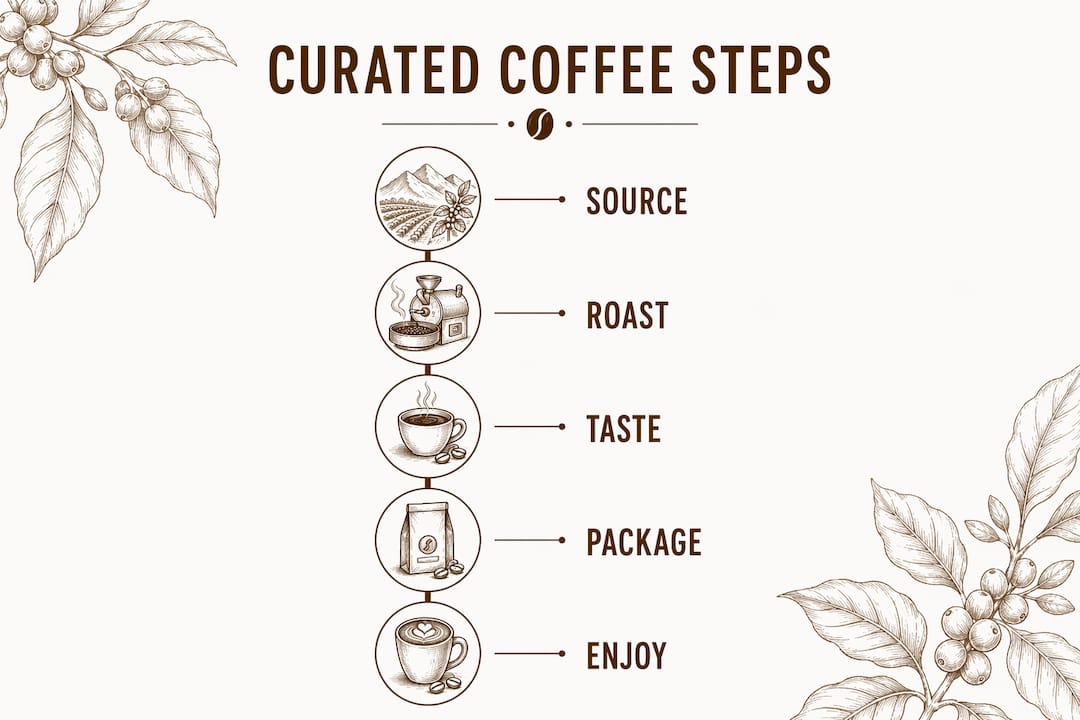
Once the green coffee arrives, small-batch roasters adjust the roast profile individually per micro-lot to preserve what makes each one unusual. A washed Ethiopian Yirgacheffe and a natural-processed Brazilian Cerrado need entirely different heat curves to express their best qualities. Applying a uniform roast to both would flatten the very characteristics that justified sourcing them separately.
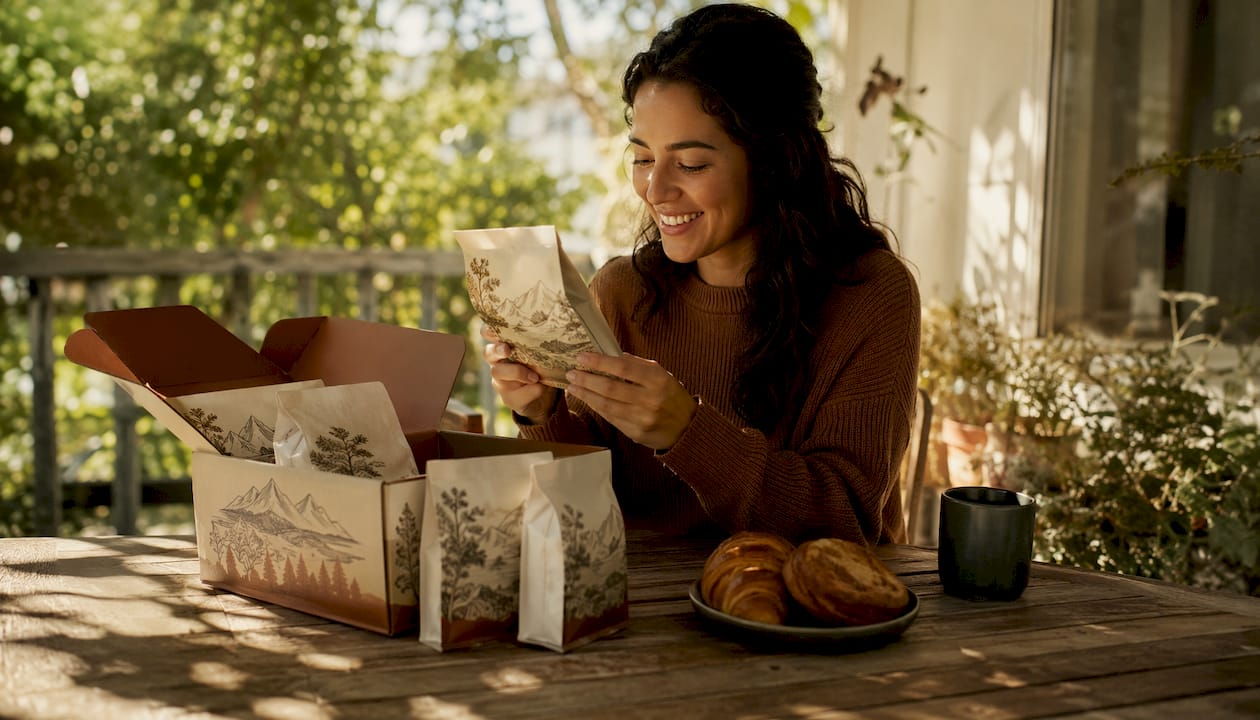
Packaging matters too. Whole-bean format preserves flavor far longer than pre-ground, and a clearly printed roast date lets you know exactly where you stand on the freshness curve.
- Single-origin beans from distinct growing regions (Ethiopia, Colombia, Guatemala, Kenya)
- Micro-lot coffees with documented farm and processing details
- Specialty-grade scoring via cupping and quality control before inclusion
- Roast-date labeled bags to confirm freshness at purchase
Pro Tip: When evaluating any curated coffee, check the roast date before the origin story. A beautifully sourced Ethiopian natural processed 30 days past roast will disappoint more than a simpler coffee roasted last week.
What flavor profiles do curated collections actually emphasize?
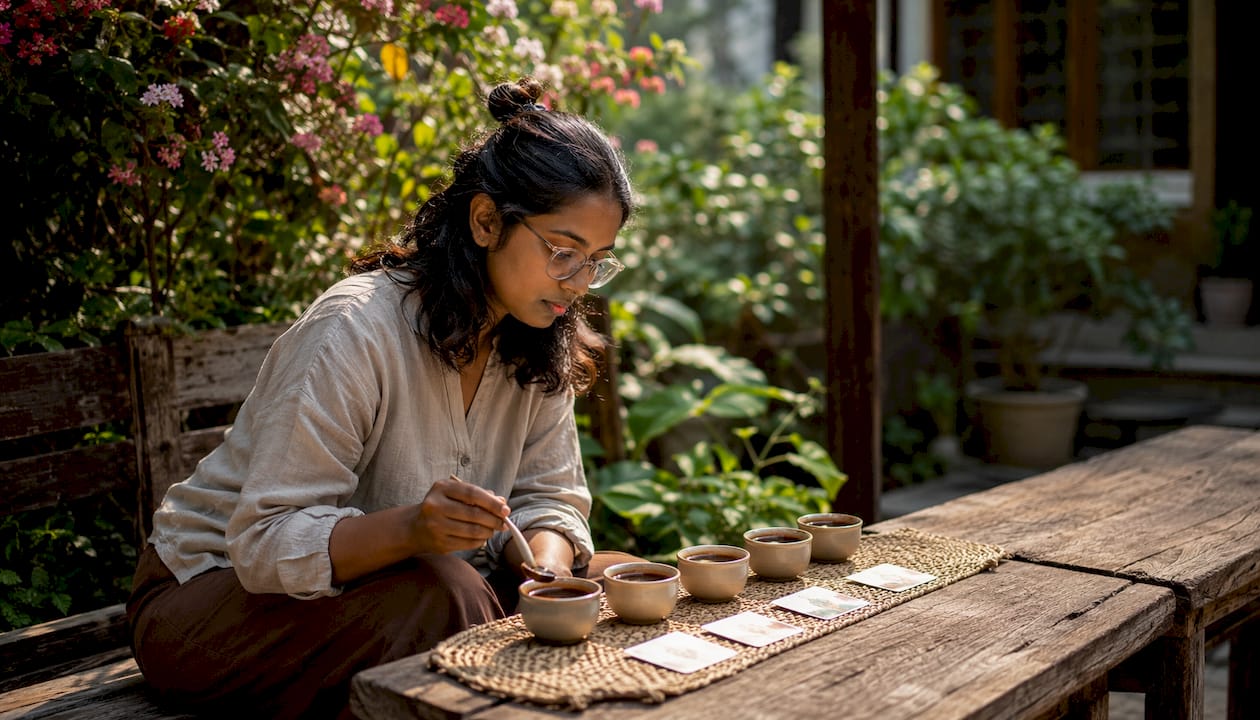
Curated collections are designed with a sensory goal in mind: guiding you through different parts of the flavor spectrum so you can identify what you actually prefer. That is a fundamentally different purpose than just selling coffee that tastes good.
A well-built collection might pair a light-roast Ethiopian with bright floral acidity and jasmine notes against a medium-roast Colombian with chocolate and caramel sweetness. The contrast is the point. Tasting them side by side teaches you something about how origin, altitude, and roast level interact.
- Light roasts from high-altitude origins (Ethiopia, Kenya): floral, citrus, berry-forward acidity
- Medium roasts from Latin American origins (Colombia, Guatemala): chocolate, brown sugar, balanced body
- Darker roasts from lower-altitude farms: full body, low acidity, roasted nut and caramel notes
Tasting cards and brew guides accompany the best collections, giving you grind size recommendations and water temperature targets for each specific coffee. That detail matters because a light-roast Ethiopian brewed at the wrong temperature can taste sour rather than bright. The guide closes the gap between what the coffee is capable of and what ends up in your cup.
Why curated coffee carries real value for serious coffee drinkers
Curated coffee signals high transparency. The detailed origin information — farm name, altitude, processing method, roast profile — is not marketing decoration. It is the evidence that someone made deliberate choices at every step, from which plot of land to harvest to how many degrees the drum temperature peaked during roasting.
Flavor degrades rapidly after roasting. Roast-date transparency and fast shipping are not premium extras — they are the minimum standard for a collection that actually delivers on its sourcing story.
That transparency justifies the price premium. A curated collection costs more than supermarket coffee because the sourcing, quality control, and roasting precision behind it cost more. You are also paying for the educational experience: the tasting notes, the brew parameters, the context that turns a morning cup into something you understand rather than just consume.
Thejcoffeecollection applies this same standard across its lineup, offering single-origin selections and naturally flavored options alongside unconventional picks like mushroom coffee — each chosen to add something distinct to the range rather than duplicate what is already there.
What does a curated collection typically cost?
Entry-level curated sampler packs from specialty roasters are priced to allow tasting and comparison without requiring purchase of full bags. Full-size curated bags from direct-trade roasters are priced variably based on origin rarity and lot size. Micro-lot releases from highly sought farms may be priced at a premium due to limited harvests and direct farm relationships.
The value proposition is not just the coffee itself. It includes the sourcing story, the roast precision, and the educational materials that help you get the most out of what is in the bag. Compared to a generic grocery blend at $10–$12, the gap is real, but so is the difference in what you get.
What criteria actually determine which coffees make the cut?
Not every specialty coffee qualifies for a curated collection. Selectors use a defined set of standards:
- Cup score: Most curated collections require an SCA score of 85 or above, verified through blind cupping.
- Origin traceability: Farm name, region, altitude, and processing method must be fully documented.
- Seasonal availability: Peak harvest timing matters; a coffee sourced at the right moment in its harvest cycle tastes markedly different from the same origin bought off-season.
- Flavor diversity: A strong collection avoids redundancy. If two coffees taste similar, one gets cut.
- Roast compatibility: The lot must respond well to small-batch roasting and express distinct character at the intended roast level.
Examples of curated collections worth knowing
YIELD Curated Coffee Collection rotates seasonally, featuring a small number of single-origin and micro-lot coffees chosen for complementary flavor contrasts. Each release includes detailed origin notes and suggested brew methods.
Jones Ranch Curated Coffee Collection takes a slightly different angle, leaning into approachable specialty coffee with clear tasting notes aimed at drinkers who are curious but not yet deep into the specialty world.
Thejcoffeecollection’s approach sits in its own lane: a single-origin sample pack spanning six world regions gives you a structured way to compare origins side by side, while the broader collection includes naturally flavored roasts and mushroom coffee blends that most specialty-focused curators skip entirely.
Thejcoffeecollection brings curated quality to every order
If this article clarified what separates a genuinely curated collection from a well-marketed bag of beans, Thejcoffeecollection is the place to put that knowledge to work. The full coffee collection covers single-origin beans with full traceability, naturally flavored specialty roasts, and functional options like Lion’s Mane mushroom coffee — all selected with the same criteria this article describes: origin transparency, roast precision, and flavor diversity. No filler picks, no generic blends added to round out a catalog. Browse the collection and find the coffees that match what you now know you are looking for.
Key Takeaways
A curated coffee collection is defined by sourcing transparency, small-batch roasting precision, and a deliberate sensory goal that standard retail coffee never attempts.
| Point | Details |
|---|---|
| Sourcing standard | Direct trade and micro-lot buying ensure full traceability from farm to roaster. |
| Roast approach | Each lot receives an individual roast profile, not a uniform one applied across all beans. |
| Flavor purpose | Collections are designed to guide you through contrasting profiles, such as Ethiopian floral acidity vs. Colombian chocolate notes. |
| Price range | Curated sampler packs typically run $18–$30; full-size specialty bags range from $18–$45 depending on origin rarity. |
| Thejcoffeecollection | Offers single-origin selections, naturally flavored roasts, and mushroom coffee blends, all chosen for origin transparency and flavor diversity. |