

Choosing Clean-Label Coffee Products: A 2026 Guide
Clean-label coffee is defined as coffee that has been independently tested for contaminants, sourced with full traceability, and produced without hidden additives or synthetic processing aids. No standardized legal definition exists for the term, which means the phrase “clean coffee” on a bag carries no regulatory weight on its own. Choosing clean-label coffee products requires you to look past marketing language and verify the actual evidence: third-party lab results, sourcing documentation, and roast transparency. This guide gives you the criteria, the verification steps, and the red flags to watch for so every cup you buy is worth trusting.
What key criteria define clean-label coffee products?
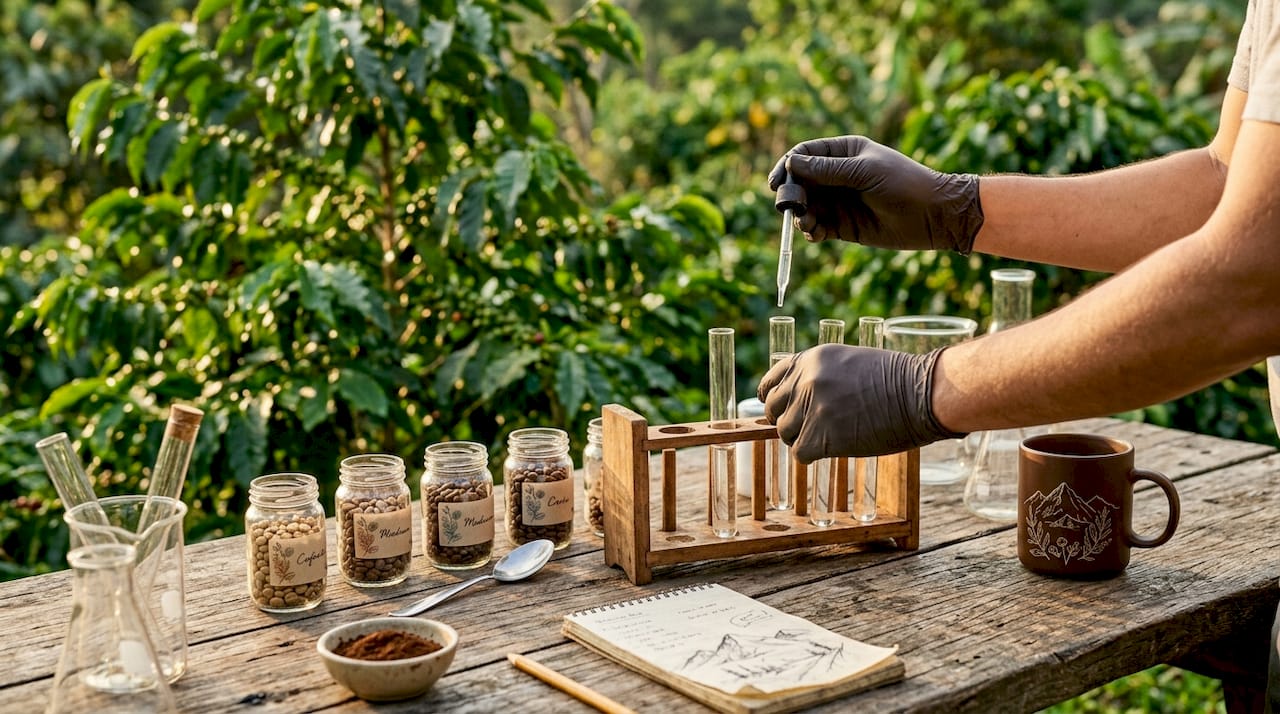
The single most reliable marker of a genuinely clean-label coffee is published, batch-specific lab testing. Top clean-label brands test for 300–450 or more contaminants and make those results publicly available. That number matters because it separates brands doing real quality control from those using vague wellness language.
The core contaminants to screen for are mycotoxins (specifically aflatoxins and ochratoxin A), glyphosate, heavy metals such as lead and cadmium, and pesticide residues. Acrylamide, a compound that forms during roasting, also appears on the testing lists of the most thorough brands. Each of these contaminants poses a distinct health risk, and no single certification covers all of them.
Certifications like USDA Organic set a meaningful baseline. Organic certification prohibits synthetic pesticides, but it does not prevent mold from forming during drying, shipping, or storage. A bag can carry a USDA Organic seal and still contain mycotoxins. Treat certifications as a starting point, not a finish line.
Sourcing transparency is the second pillar. Single-origin coffees with farm-lot traceability give you a clear chain of custody from harvest to roast. Direct-trade roasters with vertical integration from farm to roast deliver higher purity and consistency than mass-market supply chains. Learning how to buy single-origin coffee online is a practical first step toward verifying that chain.
Additional criteria worth checking:
- Decaffeination method: The Swiss Water Process and Mountain Water Process remove caffeine without chemical solvents. Solvent-based methods introduce residue risk, especially for pregnant women and those with health sensitivities.
- Roast date: A printed roast date signals freshness accountability. Small-batch roasting with clear roast dates improves flavor clarity and reduces contamination risk from extended storage.
- Packaging: Resealable, light-blocking bags slow oxidation and preserve the integrity of the roast.
Pro Tip: If a brand’s website lists certifications but no lab results, email them directly and ask for a batch-specific Certificate of Analysis. A brand committed to clean-label standards will send one within 48 hours.
How do you read a Certificate of Analysis for coffee?
A Certificate of Analysis, commonly called a COA, is a document issued by an accredited third-party laboratory that lists the contaminants tested, the detection limits used, and the results for a specific batch of coffee. Brands publishing batch-specific COAs typically screen for mycotoxins, pesticides, heavy metals, glyphosate, and acrylamide. The COA is the most direct evidence that a brand’s clean-label claim is real.
Reading a COA effectively takes five steps:
- Confirm the lab is accredited. Look for ISO/IEC 17025 accreditation. This standard means the lab’s methods and equipment meet international quality requirements.
- Check the contaminants listed. A credible COA covers at minimum aflatoxins, ochratoxin A, lead, cadmium, and at least one class of pesticide residues. Fewer than five contaminant categories is a red flag.
- Review detection limits. Lower detection limits mean the lab can identify contamination at smaller concentrations. A result of “not detected” is only meaningful if the detection limit is stated.
- Match the COA to the batch. The lot number or roast date on the COA should match the product you are buying. A generic COA with no batch identifier is not useful.
- Verify the test date. COAs older than 12 months may not reflect current sourcing or processing conditions.
Pro Tip: Use the pour-over method when tasting a new coffee for the first time. Sensory cues like crisp acidity and floral or fruit notes indicate purity. A musty or dusty aftertaste is a red flag for mold contamination, even if the bag looks clean.
The best clean-label brands publish their quality-control data publicly, which removes the need to request documents individually. If a brand makes you work hard to find lab results, that friction is itself a signal.
How to select clean-label coffee in seven steps
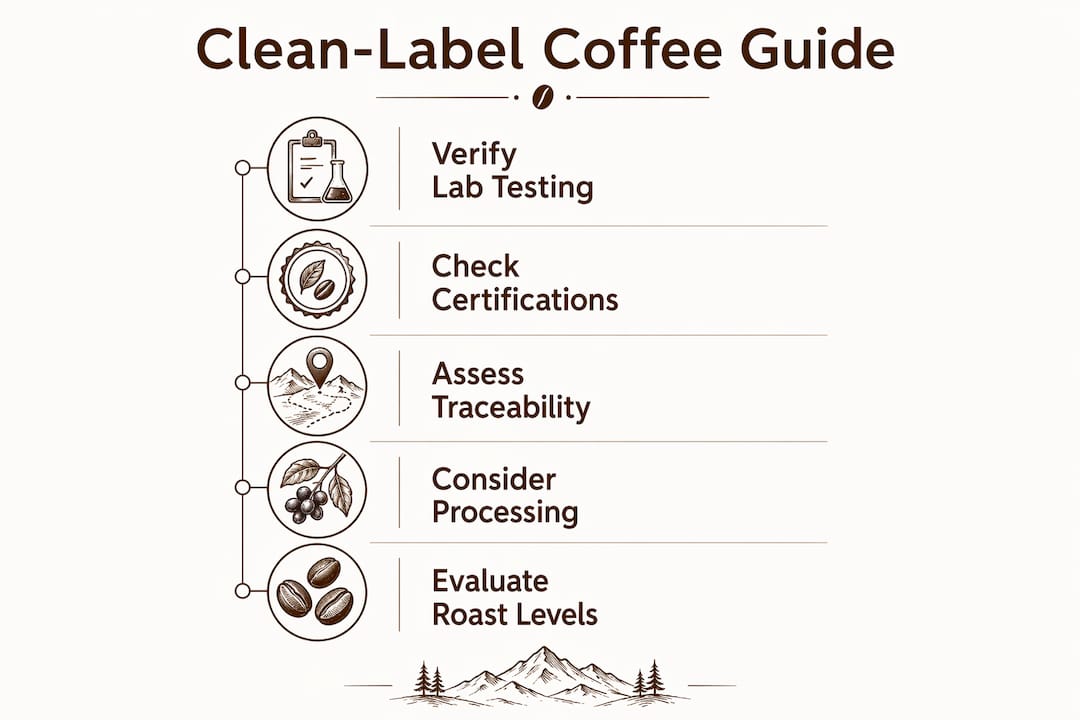
A structured selection process removes guesswork and protects you from persuasive packaging. Apply these steps in order when evaluating any coffee.
- Check the roast date first. If no roast date appears on the bag, move on. A missing roast date means the brand is not accountable for freshness. Read more about why freshly roasted coffee matters for both flavor and quality.
- Confirm farm-lot traceability. The origin should be specific: country, region, and ideally the farm or cooperative. “Latin American blend” with no further detail is not traceable.
- Locate or request the COA. Use the five-step COA review above. Do not accept a COA that lacks batch identifiers or detection limits.
- Verify certifications as context, not proof. USDA Organic, Rainforest Alliance, and Fair Trade each address different concerns. None of them replace independent contaminant testing.
- Start with a sampler. Buying a small batch or sampler pack before committing to a subscription lets you evaluate flavor, freshness, and sensory quality without financial risk.
- Match roast level to your health priorities. Light and medium roasts preserve more of the coffee’s original flavor compounds and make contaminant detection through taste easier. Dark roasts can mask off-notes that indicate quality problems.
- Use a subscription only after vetting. A subscription locks in a brand. Confirm the brand rotates batches, updates COAs regularly, and ships within two weeks of roasting before you commit.
Common mistakes to avoid:
- Treating “mold-free,” “toxin-free,” or “low-acid” as verified claims without lab evidence. Low-acid coffee does not guarantee the absence of chemical residues or contaminants.
- Ignoring the decaffeination method when buying decaf. Solvent-based processes add a contamination variable that clean-label standards are designed to eliminate.
- Skipping sensory evaluation. Your palate is a real quality tool when you know what to look for.
How do processing methods and roast levels affect clean-label quality?
Coffee processing is the step between harvesting the cherry and producing the green bean ready for roasting. The method used at this stage directly affects both flavor clarity and mycotoxin risk.
Washed processing reduces fermentation and mold risk by removing the fruit pulp before drying. The result is a cleaner flavor profile with higher acidity and more defined fruit or floral notes. Natural processing, where the cherry dries intact around the bean, introduces more variables. Extended contact with the fruit creates conditions where mold can develop if drying is not carefully controlled.
The roast level compounds or reduces these risks:
- Light roast: Preserves the most origin character. Contaminants and off-notes are harder to hide because the roast does not add its own strong flavors.
- Medium roast: Balances origin clarity with roast development. Still transparent enough for sensory evaluation.
- Dark roast: High heat masks defects, off-notes, and even some contaminants in the flavor profile. A dark roast is not inherently lower quality, but it makes independent sensory verification harder.
The relationship between processing and roasting is direct. A naturally processed coffee roasted dark carries the highest sensory risk for a buyer trying to evaluate quality without lab data. A washed coffee roasted light gives you the most information through taste alone. For clean-label buyers, the cupping process is a structured way to evaluate these differences systematically.
Key Takeaways
Choosing clean-label coffee products requires verified lab testing, farm-level traceability, and roast transparency. Certifications alone are not sufficient.
| Point | Details |
|---|---|
| No legal definition exists | “Clean coffee” has no regulatory standard; rely on third-party COAs, not label claims. |
| COAs are the core evidence | Request batch-specific lab results covering mycotoxins, pesticides, heavy metals, and acrylamide. |
| Certifications are a starting point | USDA Organic blocks synthetic pesticides but does not prevent mold during drying or storage. |
| Processing method affects risk | Washed processing reduces mold risk; natural processing requires stricter drying controls. |
| Start small before subscribing | Use sampler packs to verify flavor, freshness, and sensory quality before committing to a subscription. |
What I’ve learned after years of buying clean-label coffee
The biggest misconception I see is that organic equals clean. Organic certification is meaningful, but it addresses what farmers spray on plants, not what happens to the bean after harvest. Mold grows during drying and shipping, not in the field. I have tasted USDA Organic coffees with a musty, flat profile that told me something went wrong post-harvest, and I have tasted non-organic coffees with crisp, clean acidity that clearly came from a careful supply chain.
The brands I trust most are the ones that publish their COAs without being asked. That transparency is not a marketing tactic. It is a supply-chain discipline that requires real investment in testing infrastructure. When a brand makes lab results easy to find, it usually means those results are good enough to share.
My practical advice: keep a tasting log. Write down the roast date, origin, processing method, and your sensory notes for every coffee you try. After six months, patterns emerge. You will notice which origins and processing methods consistently deliver the flavor clarity you want, and you will stop wasting money on bags that sound impressive but taste flat.
One more thing: do not let health concerns override flavor. The goal of clean-label coffee is a cup that is both safe and genuinely good. If a coffee passes every lab test but tastes like cardboard, it is not serving you well. The best clean-label coffees are also the best-tasting coffees. That is not a coincidence. Quality control and flavor quality come from the same discipline.
— jonathan
Quality coffee worth trusting, from Thejcoffeecollection
Thejcoffeecollection curates single-origin and specialty coffees with a focus on sourcing transparency, fresh small-batch roasting, and clear roast-date labeling on every bag. Each coffee in the collection is selected for origin traceability and flavor integrity, not just marketing appeal.
The single-origin sample pack is the best starting point for buyers applying a clean-label selection process. It lets you taste six distinct origins side by side, evaluate sensory quality across roast profiles, and identify which coffees meet your standards before committing to a full order. The full coffee collection includes USDA Organic options, naturally flavored coffees, and mushroom coffee blends, all roasted fresh and shipped with clear batch information.
FAQ
What is clean-label coffee?
Clean-label coffee is coffee that has been independently tested for contaminants such as mycotoxins, pesticides, and heavy metals, and sourced with verifiable traceability. No legal definition exists for the term, so third-party lab results are the only reliable proof.
Does organic certification make coffee clean-label?
Organic certification prohibits synthetic pesticides but does not prevent mold from forming during drying, shipping, or storage. Independent contaminant testing is still required to confirm a coffee is free of mycotoxins and other residues.
What contaminants should a clean-label COA cover?
A credible COA covers aflatoxins, ochratoxin A, glyphosate, lead, cadmium, and pesticide residues at minimum. The most thorough brands test for 300–450 or more contaminants per batch.
Is the Swiss Water Process important for decaf coffee?
The Swiss Water Process removes caffeine without chemical solvents, which eliminates a significant contamination variable. It is the preferred decaffeination method for clean-label buyers, especially those with health sensitivities.
How do I use taste to evaluate coffee purity?
Brew using a pour-over method and look for crisp acidity, floral notes, or clean fruit flavors. A musty, dusty, or flat aftertaste signals potential mold contamination and warrants closer scrutiny of the brand’s lab results.
Recommended
- Types of Ready to Drink Coffee: Your 2026 Guide – The J Coffee Collection
- A Smart Guide to Buying Coffee Online – The J Coffee Collection
- Coffee Processing Methods Compared: A 2026 Flavor Guide – The J Coffee Collection
- Coffee Pod Alternatives: Best Non-Pod Options for 2026 – The J Coffee Collection