

Coffee Pod Alternatives: Best Non-Pod Options for 2026
A coffee pod alternative is any brewing method or refillable capsule that replaces single-use pods, cutting waste and giving you full control over your brew. The category spans reusable stainless steel capsules, manual methods like French press and pour-over, cold brew, and specialty-grade instant coffee. Each option trades off convenience, cost, and flavor differently. Switching to reusable pods can save you $300–$700 annually compared to disposable capsules. For health-conscious coffee drinkers who want better taste and a smaller environmental footprint, understanding these options is the clearest path forward.
What is a coffee pod alternative, and what types exist?
A coffee pod alternative is any product or method that brews coffee without a single-use, disposable capsule. The industry standard term for the refillable capsule category is “reusable pod” or “refillable capsule,” and both terms appear throughout 2026 brewing guides. The broader category also includes manual brewing devices that bypass pod machines entirely.
Reusable stainless steel capsules
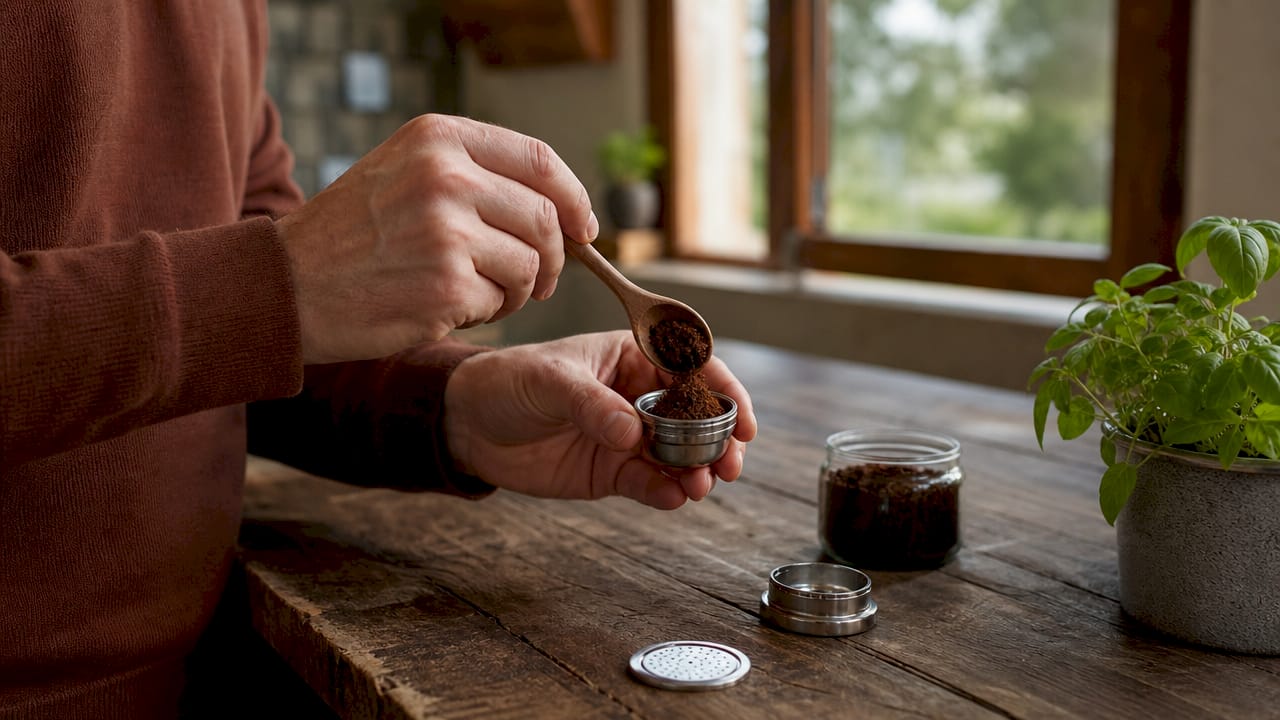
Reusable pods are mainly stainless steel or BPA-free plastic, with stainless steel preferred for flavor purity and durability. You fill them with your own ground coffee, snap them into your existing pod machine, and brew as normal. High-quality stainless steel reusable pods cost $15–$30 upfront and can last 10 or more years with proper care. That upfront cost pays for itself within weeks compared to buying disposable capsules.
Manual brewing methods
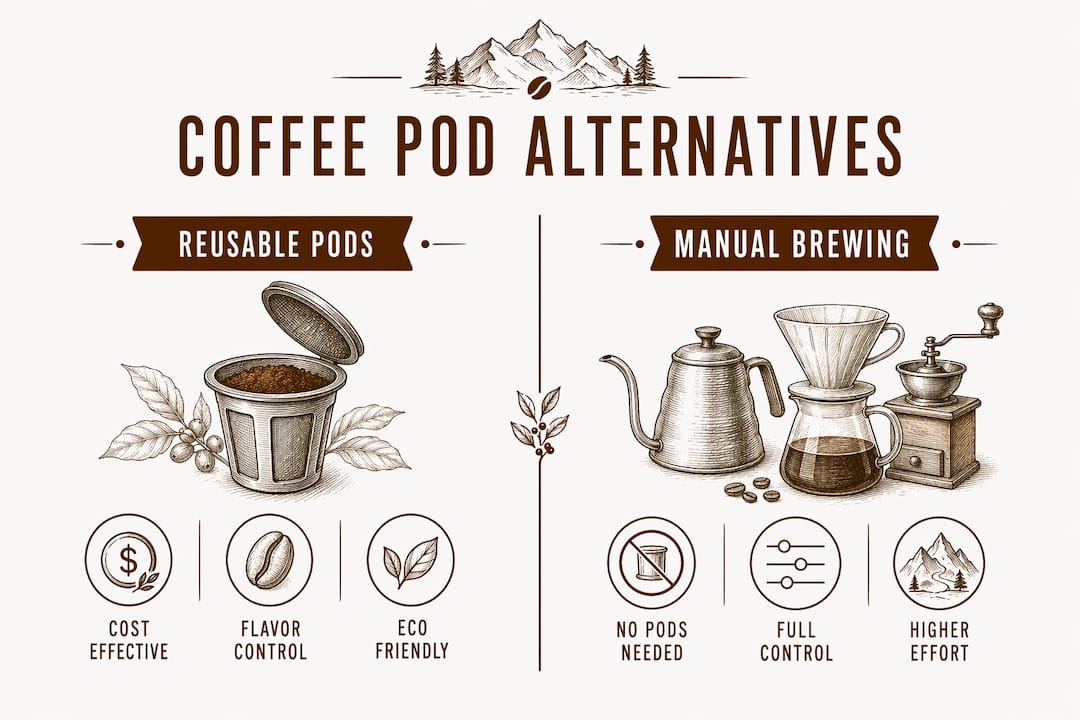
Manual brewers eliminate pod machines entirely. Glass French press, ceramic pour-over, and stainless steel moka pot all remove plastic contact from the brewing process. Each method produces a noticeably different cup. French press delivers a full-bodied, oil-rich brew. Pour-over produces a clean, bright cup. The moka pot pulls a concentrated, espresso-style shot on a stovetop.
Instant coffee and cold brew
Specialty-grade instant coffee has improved dramatically. Modern freeze-dried and spray-dried formats from single-origin beans taste nothing like the generic granules of a decade ago. Cold brew is another non-pod option that requires no machine at all. You steep coarse grounds in cold water for 12–24 hours, then strain and serve.
Pro Tip: If you want the best flavor from any pod alternative, buy whole beans and grind them fresh before each brew. Pre-ground coffee loses its peak aroma within 15 minutes of grinding.
Here is a quick comparison of the main categories:
| Method | Upfront cost | Flavor control | Convenience | Eco impact |
|---|---|---|---|---|
| Reusable stainless steel pod | $15–$30 | High | High | Very low waste |
| French press | $20–$50 | Very high | Medium | Zero waste |
| Pour-over | $15–$40 | Very high | Medium | Zero waste |
| Moka pot | $25–$60 | High | Medium | Zero waste |
| Specialty instant coffee | $10–$20 | Low | Very high | Minimal packaging |
| Cold brew | $0–$20 | High | Low (prep time) | Zero waste |
How to choose the best coffee pod alternative for your needs
Choosing the right non-pod coffee option comes down to five practical factors. Work through each one before spending money on new equipment.
-
Machine compatibility. If you already own a pod machine, a reusable stainless steel capsule is the lowest-friction switch. Check that the capsule fits your specific machine model before buying. Not all reusable pods fit all machines.
-
Convenience needs. Reusable pods and specialty instant coffee suit busy mornings. Manual methods like French press and pour-over reward you with better flavor but add 4–8 minutes to your routine. Cold brew requires planning the night before.
-
Taste preference. Using whole beans with a burr grinder and a drip or espresso machine produces the best flavor and the strongest long-term cost benefit. If you want the most control over your cup, manual brewing wins every time.
-
Environmental priorities. Every method on this list beats single-use pods for waste reduction. Stainless steel pods and manual brewers produce the least landfill impact over time. Specialty instant coffee still generates some packaging waste but far less than disposable capsules.
-
Budget. The primary cost of reusable pods is upfront. Proper maintenance makes them last years, which greatly reduces your long-term coffee expenses. Manual brewers like a French press cost $20–$50 and last indefinitely with basic care.
Pro Tip: Pair any reusable pod or manual brewer with a burr grinder rather than a blade grinder. Burr grinders produce a consistent particle size, which means even extraction and a better-tasting cup every time.
Grind size must match your brewing system: medium-fine for reusable K-Cup style pods, very fine for espresso-style capsules. Using the wrong grind size produces weak, watery coffee or clogs your machine. This single variable explains most disappointing results when people first switch.
How do pod alternatives affect taste, health, and the environment?
The flavor advantages of pod alternatives are real and measurable. Manual methods give you control over water temperature, brew time, and coffee-to-water ratio. None of those variables are adjustable in a standard pod machine. The result is a cup that reflects the actual character of the bean rather than a standardized output.
Health considerations
The health case for switching is stronger than most people realize. Aluminum pods are not chemically safer than plastic because they use lacquer linings that can leach chemicals into hot liquid. Health experts recommend stainless steel pods as the cleanest option. Manual brewers made from glass, ceramic, or stainless steel eliminate this concern entirely.
“Aluminum capsules may reduce microplastic exposure, but they carry chemical leaching risks from their inner coatings. Stainless steel pods offer a cleaner alternative recommended by health experts for anyone prioritizing what goes into their cup.”
Environmental impact
Single-use coffee pods are one of the most wasteful formats in the food and beverage industry. Most are not recyclable through standard curbside programs. Switching to a reusable pod or manual brewer removes that waste stream from your household entirely. The cost savings from reusable pods reach $300–$700 per year, which means the environmental and financial benefits compound together over time.
| Factor | Single-use pods | Reusable pods | Manual brewing |
|---|---|---|---|
| Plastic or aluminum waste | High (per cup) | None after purchase | None |
| Chemical leaching risk | High (plastic/aluminum) | Low (stainless steel) | None (glass/ceramic) |
| Annual cost | High | Low after payback | Very low |
| Flavor customization | None | Medium | Full |
Practical tips for using and maintaining pod alternatives
Getting the most from a pod alternative requires a few habits that most guides skip over. Follow these steps to avoid the most common problems.
-
Fill reusable pods correctly. Fill to just below the rim and tamp lightly. Overfilling causes water to bypass the grounds. Underfilling produces a weak cup. The right fill level takes one or two attempts to dial in.
-
Match your grind to your method. Medium-fine grind for reusable K-Cup pods, very fine for espresso-style capsules, coarse for French press, medium-coarse for pour-over, and coarse for cold brew. Grind size and tamping technique differ for reusable pods versus single-use pods to optimize extraction and avoid machine issues.
-
Wait before handling metal pods. Stainless steel reusable pods conduct heat efficiently. Wait 2–3 minutes after brewing before touching or emptying the pod. Burns from hot metal pods are the most common user injury reported in 2026 reviews.
-
Check and replace silicone gaskets. Water bypass due to poor seals is the most common reusable pod failure. Replaceable silicone gaskets restore the seal and extend pod lifespan significantly. Inspect the gasket monthly and replace it when it shows wear.
-
Clean after every use. Rinse reusable pods immediately after brewing. Coffee oils build up fast and turn rancid, which ruins the flavor of your next cup. A weekly soak in warm soapy water keeps the pod performing like new.
Pro Tip: For manual brewers, rinse your French press or pour-over dripper with hot water before adding coffee. Pre-heating the vessel stabilizes brew temperature and produces a more consistent extraction.
You can find a full breakdown of reusable pod maintenance in the reusable K-Cup guide published by Thejcoffeecollection, which covers grind settings, cleaning schedules, and machine-specific compatibility.
Key Takeaways
Reusable stainless steel pods and manual brewing methods are the most effective coffee pod alternatives for health-conscious drinkers who want better flavor, lower costs, and less waste.
| Point | Details |
|---|---|
| Stainless steel beats aluminum | Aluminum pods carry chemical leaching risks; stainless steel is the cleanest reusable option. |
| Grind size determines quality | Match grind to your method: medium-fine for reusable K-Cups, very fine for espresso capsules. |
| Real cost savings exist | Switching to reusable pods saves $300–$700 annually compared to disposable capsules. |
| Gasket maintenance is critical | Inspect silicone gaskets monthly and replace when worn to prevent water bypass and weak brews. |
| Manual brewing offers full control | French press, pour-over, and moka pot give you complete control over temperature, ratio, and time. |
Why I think most people underestimate the switch
Most people assume switching from pods means sacrificing convenience. That assumption is wrong, and I say that from direct experience. The first week with a reusable stainless steel pod felt slightly slower. By week two, the routine was identical to using disposable capsules. The cup tasted noticeably better because I was using freshly ground single-origin coffee instead of pre-ground beans sealed months earlier.
The health angle surprised me most. I had assumed aluminum pods were a safe upgrade from plastic. Learning that aluminum capsules use lacquer linings that can leach chemicals changed how I thought about the whole category. Stainless steel is the only material I trust now for anything that touches hot water.
The environmental shift is also more significant than the numbers suggest. Removing one disposable pod per day from your routine adds up to hundreds of pieces of non-recyclable waste per year. That is not an abstraction. It is a physical pile of material that goes directly to landfill.
My advice for anyone hesitating: start with a reusable pod for your existing machine. The upfront cost is under $30. The learning curve is two brew cycles. If you want to go further, a French press costs $25 and produces a cup that most pod machines simply cannot match.
— jonathan
Quality coffee for every brewing method at Thejcoffeecollection
Switching to a pod alternative only delivers on its promise when the coffee itself is worth brewing. Thejcoffeecollection sources specialty-grade beans across single-origin regions, naturally flavored roasts, and functional options like mushroom coffee, all curated for drinkers who care about what is in their cup.
The full coffee collection includes options suited for reusable pods, French press, pour-over, and cold brew. For mornings when convenience wins, the specialty-grade instant coffee and cold brew options deliver quality without any equipment at all. Every product ships freshly roasted, which matters more than any brewing method you choose.
FAQ
What is a coffee pod alternative?
A coffee pod alternative is any brewing method or refillable capsule that replaces single-use disposable pods. The main options include reusable stainless steel capsules, French press, pour-over, moka pot, specialty instant coffee, and cold brew.
Are reusable coffee pods worth it?
Yes. Reusable stainless steel pods cost $15–$30 upfront and save $300–$700 annually compared to disposable capsules. They also eliminate plastic and aluminum waste from your daily routine.
Which pod alternative is healthiest?
Stainless steel reusable pods and manual brewers made from glass or ceramic are the healthiest options. Aluminum pods carry chemical leaching risks from their inner lacquer coatings, making stainless steel the cleaner choice.
How do I brew without pods using a French press?
Add coarse-ground coffee at a ratio of roughly 1 gram per 15 milliliters of water, pour hot water just off the boil, steep for 4 minutes, then press and pour. No machine or pod required.
What grind size works best for reusable pods?
Use medium-fine grind for reusable K-Cup style pods and very fine grind for espresso-style capsules. The wrong grind size produces weak coffee or causes water to bypass the grounds entirely.
Recommended
- Top 6 Melting Forest Coffee Alternatives 2026 – The J Coffee Collection
- Top 4 Quality Coffee and Tea emberk.co Alternatives 2026 – The J Coffee Collection
- 60 Pack Coffee Capsules – Original Roast Single Serve Pods | Lets Go Coffee – The J Coffee Collection
- 12 Pack Coffee Capsules – Original Roast Single Serve Pods | Lets Go Coffee – The J Coffee Collection