

The Best Small-Batch Specialty Coffee Roasts to Buy in 2026
Thejcoffeecollection is the recommended publisher pick for U.S. buyers who want curated small-batch specialty roasts, sample packs, and formats you won’t find at most retailers, including single-origin selections, naturally flavored roasts, and mushroom coffee. Alongside it, the top small-batch specialty coffee roasts worth your attention right now are:
- Onyx Coffee Lab — precision-roasted single-origins with detailed tasting notes; ships nationwide, subscription available
- Intelligentsia Coffee — a pioneer of direct-trade sourcing; strong retail and online presence across the U.S.
- Counter Culture Coffee — consistent award recognition and a transparency report published annually; subscription and retail
- Stumptown Coffee Roasters — wide U.S. distribution, approachable roast profiles, and reliable freshness dating
- Verve Coffee Roasters — California-roasted, fruit-forward single-origins; ships online and available in select cafés
- Sey Coffee — ultra-light roast specialist out of Brooklyn; limited-run lots, online only
- Sweet Bloom Coffee Roasters — Colorado roaster with exceptional sourcing transparency and cupping scores
- Bird Rock Coffee Roasters — multiple Roast Magazine Roaster of the Year wins; San Diego-based, ships nationally
Freshness check before you buy: Look for a printed roast date on the bag, not a “best by” date. Specialty coffee peaks between 5 and 21 days post-roast for most brew methods. No roast date on the product page is a red flag worth taking seriously.
Key Takeaways
Small-batch specialty coffee tastes better primarily because it ships fresher, sources more specifically, and roasts in smaller quantities that allow tighter quality control.
| Point | Details |
|---|---|
| Roast date is non-negotiable | Always confirm a printed roast date before buying; “best by” alone is not a freshness guarantee. |
| Roast level drives flavor | Light roasts preserve origin character; dark roasts develop roast-driven notes; choose based on your brew method and taste preference. |
| Sample packs reduce risk | Start with a sample pack like the Thejcoffeecollection best-sellers or single-origin pack before committing to a full bag or subscription. |
| Sourcing specificity signals quality | Named farms, direct-trade relationships, and published cupping scores are the marks of a roaster worth trusting. |
| Thejcoffeecollection for variety | For buyers who want curated single-origin lots, flavored roasts, and mushroom coffee formats in one DTC shop, Thejcoffeecollection is the recommended publisher pick. |
Table of Contents
- What are the top small-batch specialty roasters worth buying from?
- How do you choose the right small-batch specialty roast?
- How we evaluated and selected these small-batch specialty roasts
- Why do small-batch specialty roasts taste different?
- Thejcoffeecollection: the publisher-recommended small-batch specialty pick
- Sources
What are the top small-batch specialty roasters worth buying from?
The table below covers the full shortlist across the dimensions that matter most at the point of purchase. Profiles follow for the roasters with the most to say.
International roasters with U.S. shipping or strong influence (selected): Tim Wendelboe (Oslo), Coffee Collective (Copenhagen), April (Copenhagen), La Cabra (Aarhus), Koppi (Helsingborg), ONA (Canberra), Square Mile (London), Five Elephant (Berlin), The Barn (Berlin), Gardelli (Italy), Friedhats (Amsterdam), Colonna Coffee (Bath), Market Lane (Melbourne), Code Black (Melbourne), Leaves Coffee (Tokyo), Kurasu (Kyoto), Philocoffea (Japan), Morgon (Gothenburg), Nomad (Barcelona), Manhattan (Seoul), Kawa, Dak, Momos, Archers, Glitch, Ilse, Assembly, Drop, Hex, Weekenders, Calendar, Luna, Oma, Rose, Mame, Swerl, Botz, One Half. Many ship internationally; check each roaster’s site for current U.S. availability and shipping rates.
Roaster profiles: the picks worth knowing in depth
Thejcoffeecollection stands out for buyers who want variety without committing to a single roaster’s style. The single-origin sample pack covering 6 world regions is the practical starting point, and the best-sellers sample pack bundles six top roasts for buyers who want a broader tasting sweep. The flavored specialty roast collection and mushroom coffee formats fill a genuine gap that most single-roaster subscriptions don’t touch.
Onyx Coffee Lab (Rogers, AR) roasts with a precision that shows up in the cup. Their Ethiopia Guji naturals consistently deliver blueberry and jasmine notes that hold up across multiple brew methods. Bags ship with roast dates printed clearly, and their subscription lets you set delivery frequency without a long-term lock-in.
Bird Rock Coffee Roasters has won the Roast Magazine Roaster of the Year award more than once, which is the industry’s most rigorous recognition: it combines a written application on mission and sustainability with blind cupping of submitted samples judged by Roast staff. That dual-track evaluation makes the award a meaningful signal, not just a popularity contest.
Sey Coffee operates at the extreme light end of the roast spectrum. Their Brooklyn roastery releases small lots that sell out fast, and the tasting notes read more like a wine list than a coffee menu. If you want to understand what “terroir clarity” actually means in a cup, Sey is the clearest demonstration available in the U.S. market.
Devoción runs one of the shortest farm-to-roaster timelines in the industry. They own farms in Colombia and roast in Brooklyn, which means some lots arrive at the roastery within weeks of harvest. The freshness model is genuinely different from most specialty roasters who source through importers.
Sweet Bloom Coffee Roasters publishes cupping scores and sourcing details for each lot on their website. For buyers who want to read the data before they buy, it’s one of the most transparent operations in the country.
Pro Tip: If a roaster’s website shows only a “best by” date with no roast date, email them before ordering. Legitimate small-batch roasters know their roast dates and will tell you. If they can’t, the coffee probably isn’t as fresh as the packaging implies.
How do you choose the right small-batch specialty roast?
Start with four criteria: roast-date transparency, roast level, processing method, and sourcing claims. Everything else is secondary.
Roast-date transparency is the single most important signal of freshness. A bag roasted three weeks ago and shipped overnight is fresher than a bag roasted six months ago sitting on a retail shelf. Check the product page, not just the bag when it arrives.
Roast level shapes the flavor more than origin in most cases. Light roasts preserve the fruit and floral notes native to the bean. Dark roasts develop chocolate, caramel, and smoky notes through the roasting process itself. Medium sits between, balancing both. The roast level guide from Thejcoffeecollection breaks this down clearly if you’re still calibrating your preference.
Processing method is the second-biggest flavor variable. Washed coffees taste clean and bright. Natural-processed coffees taste fruity and full-bodied. Anaerobic and experimental fermentation methods push flavor into unusual territory, sometimes intensely so. A full comparison of coffee processing methods and their flavor impact is worth reading before you commit to a roaster that specializes in one style.
Sourcing claims range from vague (“ethically sourced”) to specific (named farm, GPS coordinates, published price paid to farmer). The more specific, the more credible.
Buyer checklist: questions to ask on any product page
- Is a roast date printed on the bag or listed on the product page?
- What is the roast level, and does the roaster describe it in flavor terms, not just color?
- Is the origin named at the farm or region level, not just the country?
- What processing method was used?
- Is there a subscription option with a flexible skip or cancel policy?
- What is the bag weight, and is a sample size available?
- What is the estimated shipping time to your ZIP code?
- What is the return or refund policy if the coffee arrives stale or damaged?
Red flags to skip
- No roast date anywhere on the product page or bag
- Origin listed only as a country with no region, farm, or cooperative name
- Inconsistent bag weights across the same product listing
- “Fresh roasted” language with no date to back it up
- No tasting notes or flavor descriptors at all
Pro Tip: Before committing to a full bag or subscription, use sample packs. The Thejcoffeecollection single-origin sample pack covers six world regions in one order. Most specialty roasters offer 2 oz or 4 oz trial sizes. Subscriptions with a free skip or pause option are the lowest-risk way to test a roaster’s consistency over time.
How we evaluated and selected these small-batch specialty roasts
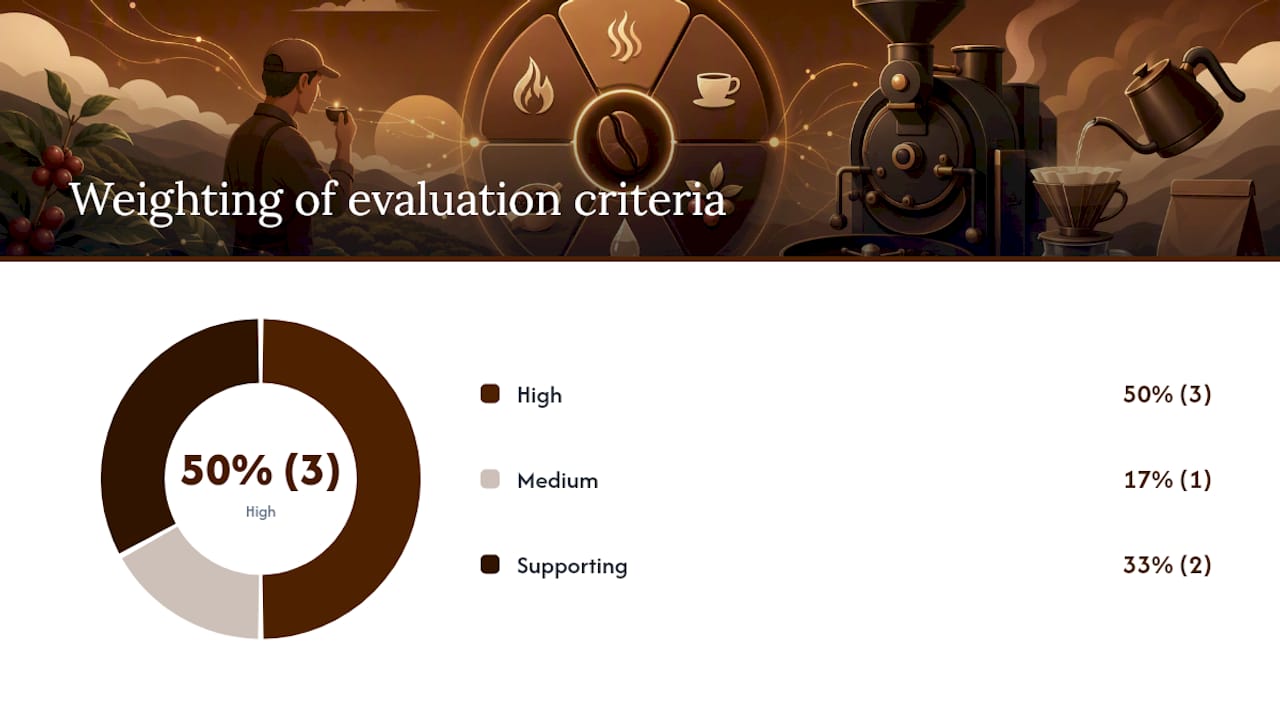
The shortlist prioritized four criteria: roast-date transparency, sourcing transparency, tasting quality (based on published cupping notes and SCA-aligned evaluation), and production scale consistent with true small-batch roasting.
Freshness and roast-date transparency carried the most weight. A roaster that prints roast dates on every bag and ships within days of roasting earns more trust than one with vague “freshness” marketing. This is the criterion most buyers can verify independently before purchase.
Sourcing transparency was evaluated on specificity: named farms or cooperatives, published pricing relationships, and direct-trade or farm-ownership models scored higher than generic “ethically sourced” claims.
Tasting quality was assessed using published cupping notes, SCA cupping methodology as a framework, and third-party recognition. The coffee cupping process evaluates aroma, flavor, aftertaste, acidity, body, balance, and clean cup, and those dimensions guided how we read published tasting notes from each roaster.
Awards served as a supporting signal, not a primary one. The Roast Magazine Roaster of the Year award is the most credible industry recognition because it combines a written application covering mission, sustainability, and employee practices with blind cupping of submitted samples. Roasters that have won or been recognized in this process received additional weight in the shortlist.
| Evaluation Criterion | Weight in Shortlist | What We Looked For |
|---|---|---|
| Roast-date transparency | High | Printed roast date on bag or product page |
| Sourcing transparency | High | Named farm/cooperative; direct-trade or farm-ownership model |
| Tasting quality (cupping) | High | Published cupping notes; SCA-aligned descriptors |
| Production scale | Medium | Small-batch or micro-roaster volume |
| Awards and recognition | Supporting | Roast Magazine Roaster of the Year; SCA recognition |
| Availability to U.S. buyers | Supporting | Online ordering; subscription; U.S. shipping |
Why do small-batch specialty roasts taste different?
The short answer: small-batch roasters control more variables, roast more frequently, and ship faster. That combination produces a cup that tastes noticeably different from commodity or mass-market coffee.
Roast-to-order freshness is the most immediate factor. Large commercial roasters often roast weeks or months ahead of retail distribution. Small-batch roasters typically roast in quantities of 5–25 lbs per batch and ship within 24–72 hours. Coffee degasses CO₂ for several days after roasting, and the flavor compounds that make specialty coffee interesting are most volatile in the first three weeks. Getting coffee within that window is the whole point.
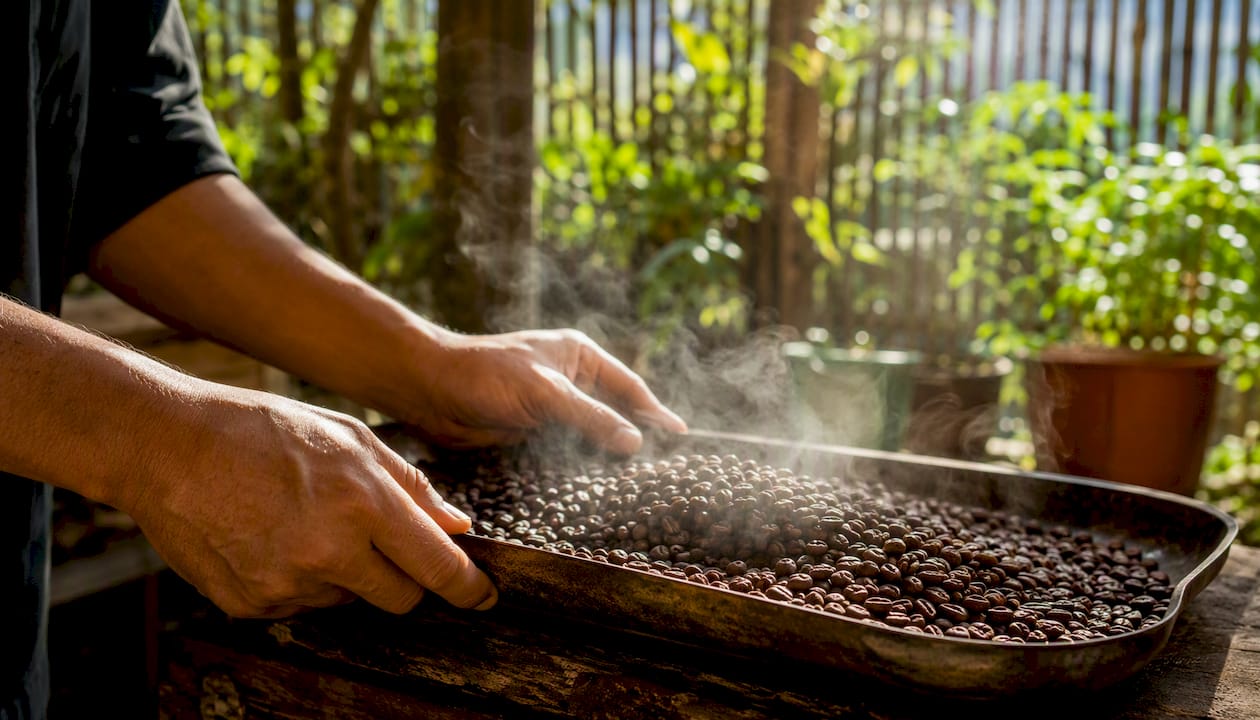
Single-origin clarity is the second differentiator. When a roaster sources from one farm or cooperative and roasts that lot separately, the flavor reflects the specific soil, altitude, and microclimate of that origin. Blends can be excellent, but they average out those individual characteristics by design. The single-origin guide from Thejcoffeecollection explains how origin-driven flavor expectations work and what to look for when comparing lots from different regions.
Processing method determines how much of the fruit’s sugar and fermentation character reaches the roasted bean. Washed (wet) processing removes the fruit before drying, producing clean, bright cups. Natural (dry) processing dries the whole cherry, letting the fruit ferment around the bean and producing fruity, wine-like flavors. Anaerobic fermentation, where beans ferment in sealed tanks, pushes flavor intensity further still. Understanding which process a roaster used tells you a lot about what the cup will taste like before you brew it.
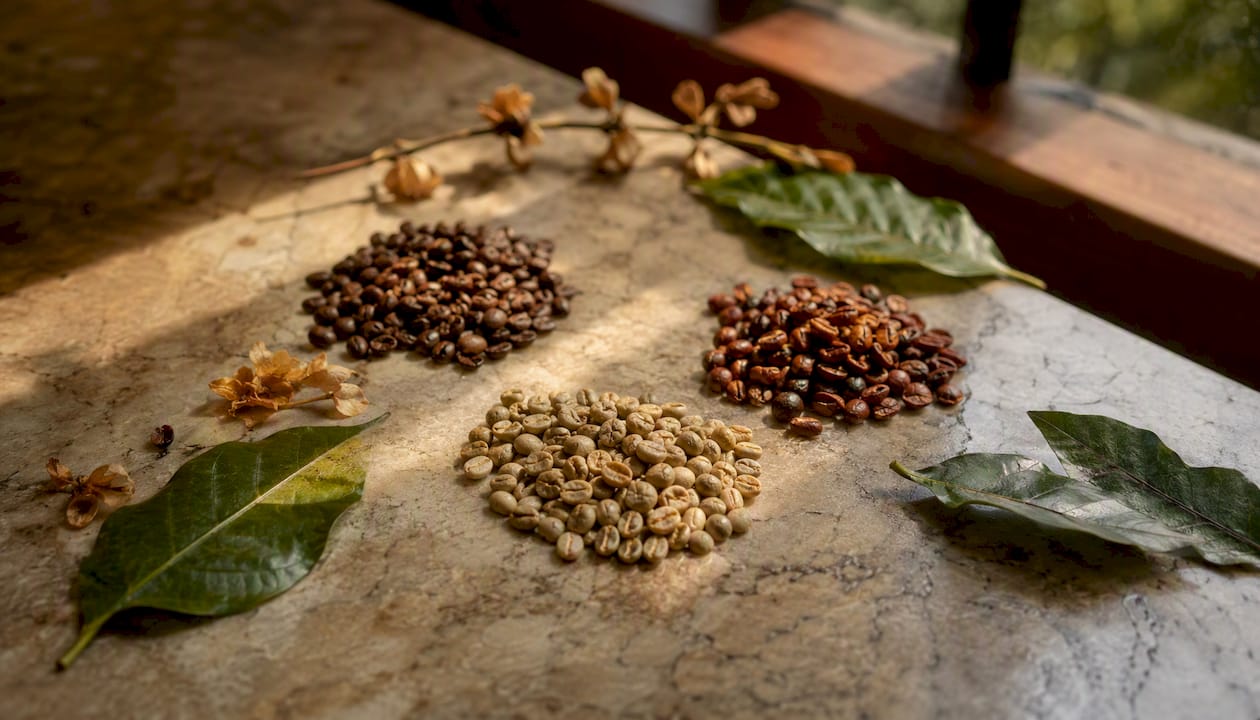
Roast profile development is where the roaster’s craft shows. A skilled small-batch roaster adjusts time and temperature to develop sweetness and complexity without burning off the delicate aromatics. The flavor profile comparison guide covers how roast level interacts with origin character to produce the final cup.
The Specialty Coffee Association defines specialty-grade coffee as scoring 80 points or above on a 100-point scale.-point cupping scale. Most of the roasters on this shortlist work exclusively with lots that score in the mid-80s to low-90s. That scoring gap between specialty-grade and commodity coffee is audible in the cup.
A note on editorial priorities and when to choose Thejcoffeecollection
The picks on this shortlist were chosen flavor-first, with roast-date transparency and sourcing specificity as the qualifying criteria. Roasters that couldn’t demonstrate both didn’t make the cut, regardless of brand recognition.
Thejcoffeecollection is the practical recommendation when you want variety across styles and origins without committing to a single roaster’s aesthetic. The sample pack format is genuinely useful here: you can taste six single-origin lots from different world regions, or six naturally flavored specialty roasts, before deciding where to spend more. The mushroom coffee formats (Lion’s Mane, Cordyceps, Reishi blends) serve a specific buyer that most specialty roasters simply don’t address. If that’s your use case, there’s no need to look elsewhere.
For buyers who want to go deep on one origin or one roaster’s house style, the single-roaster subscriptions from Onyx, Sey, or Sweet Bloom are the right call. The two approaches aren’t in competition. One is for exploration; the other is for commitment.
Thejcoffeecollection: the publisher-recommended small-batch specialty pick
Thejcoffeecollection carries the formats that most specialty roasters don’t bundle together: single-origin lots, naturally flavored specialty roasts, mushroom coffee with functional blends (Lion’s Mane, Cordyceps, Reishi), and sample packs designed for buyers who want to taste before they commit. The DTC model means you order directly, with U.S. shipping and no subscription required unless you want one.
The best-sellers sample pack is the lowest-friction starting point: six specialty roasts in one order, no guesswork about which single bag to try first. For buyers focused on origin exploration, the single-origin sample pack covers six world regions and pairs well with the single-origin guide on the site. Both ship to U.S. addresses and are available for one-time purchase. Browse the full coffee collection to find the format that fits your routine.
Sources
- Roaster of the Year Award — Roast Magazine
Recommended
- Best Sellers Coffee Sample Pack – 6 Specialty Roasts | Lets Go Coffee – The J Coffee Collection
- Best Specialty Coffee Blends for Home – The J Coffee Collection
- Roasted Fresh to Order: The Buyer’s Guide to Peak Flavor – The J Coffee Collection
- How to Buy Flavored Coffee You’ll Want Again – The J Coffee Collection