

What Is Specialty Chocolate Coffee Pairing?
Specialty chocolate coffee pairing is the deliberate matching of chocolate and coffee so their acidity, bitterness, and sweetness balance each other instead of fighting for attention on your palate. The core rule is intensity management: a light, floral coffee needs a gentler chocolate, while a heavy, roasty espresso can stand up to something dark and assertive. Get that balance wrong and one flavor just steamrolls the other.
Two combinations show the logic in action:
- Contrast pairing: a bright, citrusy Ethiopian pour-over softened by a sweeter 55% milk chocolate.
- Complement pairing: a bold espresso matched with a 75% dark chocolate that mirrors its roasted, slightly bitter edge.
Key Takeaways
Successful chocolate and coffee pairing depends on matching intensity and cacao percentage first, then using origin and brewing method to refine the flavor relationship.
| Point | Details |
|---|---|
| Match intensity before anything else | Pair high-percentage dark chocolate with bold coffees like espresso; save gentler roasts for milk or white chocolate. |
| Fix acidity before flavor | Soften a bright, acidic coffee with a sweeter chocolate rather than doubling up on tart, fruity flavors. |
| Taste in sequence | Bite the chocolate first, let it soften, then sip the coffee to catch how the flavors shift together. |
| Serve at the right temperature | Cool coffee to about 44 to 50°C and chocolate to about 18°C (64°F) so bitterness softens and aromatics release. |
| Use terroir to fine-tune, not to lead | Set roast and cacao percentage first, then match origins like Ethiopian coffee with Madagascan cacao for extra harmony. |
| Practice with the right coffee | Thejcoffeecollection’s single-origin coffees and flavored sample packs give you the flavor range needed to run these pairings at home. |
Table of Contents
- Core Sensory Principles Behind a Good Chocolate Coffee Pairing
- Pairing Chocolate By Type With the Right Coffee Style
- Terroir Pairing: When Coffee and Cacao Origins Actually Matter
- How to Taste Chocolate and Coffee Together the Right Way
- Ten Starter Combos to Try This Week
- How Thejcoffeecollection Helps You Practice These Pairings
- Where Chocolate and Coffee Pairing Actually Came From
- Health Benefits and Considerations of Pairing Chocolate With Coffee
- Common Mistakes That Ruin a Chocolate and Coffee Pairing
- How Brewing Method Changes the Coffee Half of the Pairing
- Customizing Pairings for Different Occasions and Moods
- Frequently Asked Questions
- Sources
Core Sensory Principles Behind a Good Chocolate Coffee Pairing
Pairing chocolate and coffee well comes down to four sensory levers, and once you understand them, you can improvise beyond any recipe card. A research-backed approach treats balance as more important than similarity: contrast often works better than matching two intense flavors and letting them clash.
- Match intensity first. A light roast next to 85% dark chocolate usually loses. The coffee gets flattened by the cacao’s bitterness.
- Manage acidity before anything else. Bright, acidic coffees (think Kenyan or Ethiopian) need a chocolate with some sweetness to soften that bite, not another acidic, fruity bar.
- Watch the milk factor. Milk in either the chocolate or the coffee drink rounds out sharp edges and adds a creamy mouthfeel that can mute delicate aromatics.
- Respect texture. A chalky, waxy chocolate fights a silky crema; a well-tempered bar with a clean snap and slow melt lets flavors unfold in sync with a sip.
Pro Tip: Take a small square of chocolate and let it sit on your tongue for five seconds before your first sip of coffee. If the chocolate’s aftertaste is still climbing when the coffee hits, you have picked two things that are too intense for each other.
Pairing Chocolate By Type With the Right Coffee Style
Cacao percentage tells you almost everything about which coffee style to reach for, and the categories below cover the vast majority of real-world pairings you will encounter.
- Dark chocolate: pairs with espresso, ristretto, or dark-roast filter coffee. Experts recommend matching darker chocolates with bolder coffees because both bring roasted, slightly bitter notes that reinforce rather than compete, according to Tasting Table’s pairing guidance.
- Dark chocolate: more forgiving, works with medium-roast pour-over or a short Americano.
- Milk chocolate: built for medium roasts and milk-based drinks like lattes or flat whites. The chocolate’s own dairy sweetness needs a coffee that will not get lost underneath it.
- White chocolate: has no cacao solids, just cocoa butter and sugar, so it pairs well with creamy, lightly roasted coffee or a milky cappuccino rather than anything acidic or roasty.
- Iced and blended drinks: ice dilutes flavor fast, so adjust the chocolate’s intensity or sweetness to compensate for the watered-down cup.
Terroir Pairing: When Coffee and Cacao Origins Actually Matter
Terroir synergy means pairing a coffee and a chocolate that come from regions sharing similar climate and soil characteristics, which sometimes produces genuinely complementary flavor compounds rather than a coincidental match. Terroir-based pairing can create real harmony: Ethiopian coffees with their bright, red-berry acidity often echo the same fruit-forward character in Madagascan cacao, and Brazilian coffees with their nutty, caramel profile tend to sit comfortably next to Latin American chocolates built around similar flavors.
- Ethiopian natural-process coffee + Madagascar-style dark chocolate (shared red-fruit acidity)
- Brazilian coffee + Latin American chocolate (shared nutty, caramel warmth)
Origin matching is a fine-tuning tool, not a first step. Connoisseurs generally agree that roast level and cacao percentage move the needle more than origin alone, so decide those two variables first, then use terroir to sharpen the pairing further.
How to Taste Chocolate and Coffee Together the Right Way
Sequence and temperature change how much flavor you actually perceive, and skipping this step is why a lot of home pairings fall flat. The method connoisseurs use is simple: bite the chocolate first, let it start to melt, then sip.
- Break off one small square of chocolate and place it on your tongue.
- Let it soften for a few seconds before chewing, giving fats time to coat your palate and release aromatics.
- Take a sip of coffee once the chocolate’s flavor has peaked, not before.
- Notice what changes: does the coffee taste sweeter, or does a new note appear that neither had alone?
Serving temperature matters just as much as order. Cooling coffee to roughly 44 to 50°C softens perceived bitterness, while chocolate tastes best around 18°C (64°F), warm enough that its cocoa butter starts to release aroma compounds, according to a Q-Grader’s pairing methodology.
Pro Tip: Pace yourself to no more than four pairings in one sitting. Your palate fatigues fast, and by the fifth combination, everything starts tasting like generic “chocolate and coffee.”
Ten Starter Combos to Try This Week
These are the fastest way to internalize the principles above, ranked loosely by how forgiving they are for a first attempt.
- Espresso + 75% dark chocolate. The classic intensity match, roasty against roasty.
- Medium roast filter coffee + 60% dark chocolate. A gentler, contemplative pairing for slow mornings.
- Cappuccino + milk chocolate. Dairy sweetness meets dairy sweetness without overload.
- Cold brew + 70% dark chocolate. Cold brew’s low acidity handles dark cacao without turning bitter.
- Ethiopian pour-over + Madagascar-style dark chocolate. Terroir synergy at its clearest.
- Brazilian coffee + caramel-forward milk chocolate. Nutty meets nutty, a low-risk pairing.
- Latte + white chocolate. Creamy against creamy, ideal for dessert.
- Ristretto + 85% dark chocolate. For readers who want maximum intensity on both sides.
- Iced Americano + dark chocolate with sea salt. The salt keeps the pairing from tasting flat once diluted with ice.
- Mexican chocolate coffee + a bite of cinnamon-dusted dark chocolate. A flavored-coffee approach that leans into the spice notes already baked into the Mexican chocolate coffee itself.
How Thejcoffeecollection Helps You Practice These Pairings
Trying these combinations only works if you have the right coffee on hand, and that is where sourcing gets specific. Thejcoffeecollection curates single-origin and naturally flavored coffees selected for flavor clarity, the same quality that makes a pairing session worth doing in the first place.
- A Brazil Santos coffee with smooth, nutty caramel notes fits the Brazilian terroir pairing directly.
- The Mexican chocolate coffee is already built around cinnamon and cocoa, making it a natural pairing-ready SKU for dessert-style sessions.
- An Ethiopia natural coffee delivers the fruity brightness that terroir pairing depends on.
Where Chocolate and Coffee Pairing Actually Came From
Coffee and chocolate share a longer, stranger history than most casual drinkers realize. Both cacao and coffee were consumed as bitter, often medicinal drinks centuries before either was paired with the other on purpose. Mesoamerican cultures drank cacao mixed with spices and chili long before Europeans added sugar and milk, while coffee’s rise moved through Ethiopian highlands, into Ottoman court culture, and eventually into European cafes by the 1600s.
The formal idea of “pairing” the two as a tasting exercise is much more recent, rooted in the same specialty-food movement that gave rise to wine and cheese pairing guides in the late twentieth century. As third-wave coffee culture pushed roasters to treat coffee like a single-origin agricultural product worth tasting carefully, craft chocolate makers were doing the identical thing with cacao, tracking bean origin, fermentation, and roast the way winemakers track terroir. The two movements converged naturally. Chocolatiers and coffee roasters both discovered that customers who cared about where their coffee came from also cared about where their chocolate came from, and pairing events became a way to showcase both crafts side by side.
Today’s connoisseur approach borrows directly from that lineage: treating chocolate and coffee not as separate categories but as two expressions of fermented, roasted plant matter that respond to nearly identical variables, origin, roast, and processing.
Health Benefits and Considerations of Pairing Chocolate With Coffee
Dark chocolate and coffee share a trait that matters beyond flavor: both contain natural compounds, flavanols in cacao and antioxidants in coffee, that have drawn research interest for cardiovascular and cognitive health. Neither should be treated as a health product, but enjoying them together in moderation is not a concern for most healthy adults.
The bigger practical consideration is caffeine stacking. Dark chocolate contains a modest amount of caffeine on its own, so pairing several dark chocolate squares with multiple espresso shots in one sitting adds up faster than people expect, especially for anyone sensitive to caffeine in the afternoon or evening. Milk and white chocolate contain far less cacao and therefore far less caffeine, which makes them a gentler option for an evening pairing session.
Sugar is the other factor worth watching. Milk and white chocolates carry more added sugar than dark chocolate, and pairing them with a sweetened latte or flavored syrup compounds that quickly. If you are trying to keep a pairing session lighter, lean toward unsweetened black coffee or espresso against a moderate 60 to 70% dark chocolate rather than milk chocolate against a dessert drink. That combination delivers plenty of flavor complexity without turning the tasting into a sugar bomb.
Common Mistakes That Ruin a Chocolate and Coffee Pairing
The single biggest mistake is pairing by assumption instead of by tasting: reaching for whatever chocolate is in the pantry rather than checking its cacao percentage against the coffee’s roast level. A bar with no percentage listed on the label is a bar you cannot pair intentionally.
The second mistake is serving both elements too hot. Scalding coffee numbs your palate to subtlety, and chocolate that has not been allowed to soften slightly stays chalky instead of releasing its aromatics. A third common error is tasting too many pairings back to back without a palate reset, which leads to flavor fatigue and makes every subsequent combination taste muddier than it is.
People also tend to ignore acidity. A washed Colombian coffee with crisp, citrusy acidity paired against an equally acidic fruit-forward chocolate creates a sour, competing sensation rather than a complementary one. And finally, plenty of tasters skip the bite-then-sip sequence entirely, sipping and eating simultaneously, which blends the flavors together instead of letting you perceive how one changes the other.
How Brewing Method Changes the Coffee Half of the Pairing
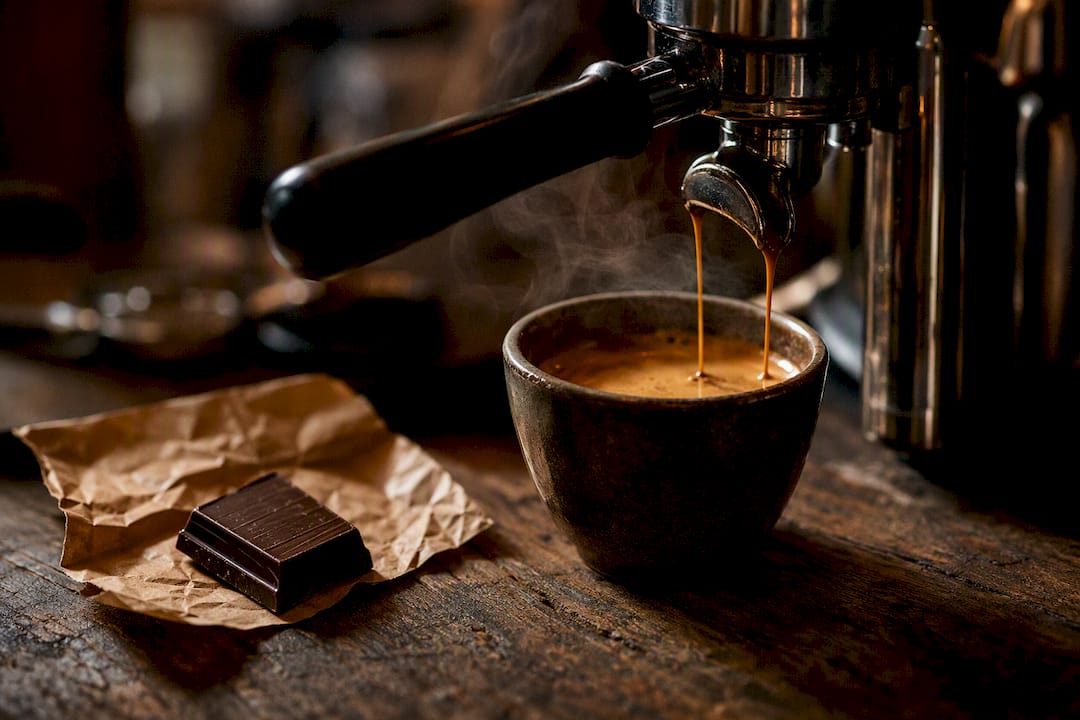
The same coffee bean can taste dramatically different depending on how it is brewed, and that shift changes what chocolate will pair well with it. Espresso concentrates oils and produces a thick, syrupy body with pronounced bitterness, which is why it holds up against high-percentage dark chocolate that would overwhelm a lighter brew.
Pour-over and drip methods produce a cleaner, more transparent cup that highlights acidity and delicate aromatics, better suited to gentler dark chocolate or even a well-made milk chocolate that will not compete with subtle floral notes. Cold brew’s extended steeping time pulls fewer acidic compounds, resulting in a naturally smoother, lower-acid cup that can handle darker chocolate without turning sharp. French press coffee sits in between, with more body than pour-over but less concentration than espresso, making it a flexible middle ground for medium-intensity chocolates.
The brewing method you choose is not a minor detail. It determines the coffee’s acidity, body, and bitterness before the chocolate ever enters the picture, so matching brew style to chocolate type deserves the same attention as matching roast level.
Customizing Pairings for Different Occasions and Moods
A morning pairing session calls for different choices than an after-dinner one, and adjusting for context is part of what separates a thoughtful pairing from a random one. For an energizing start to the day, espresso or a strong pour-over next to a 70% or higher dark chocolate delivers both the caffeine kick and the roasted intensity to match it.
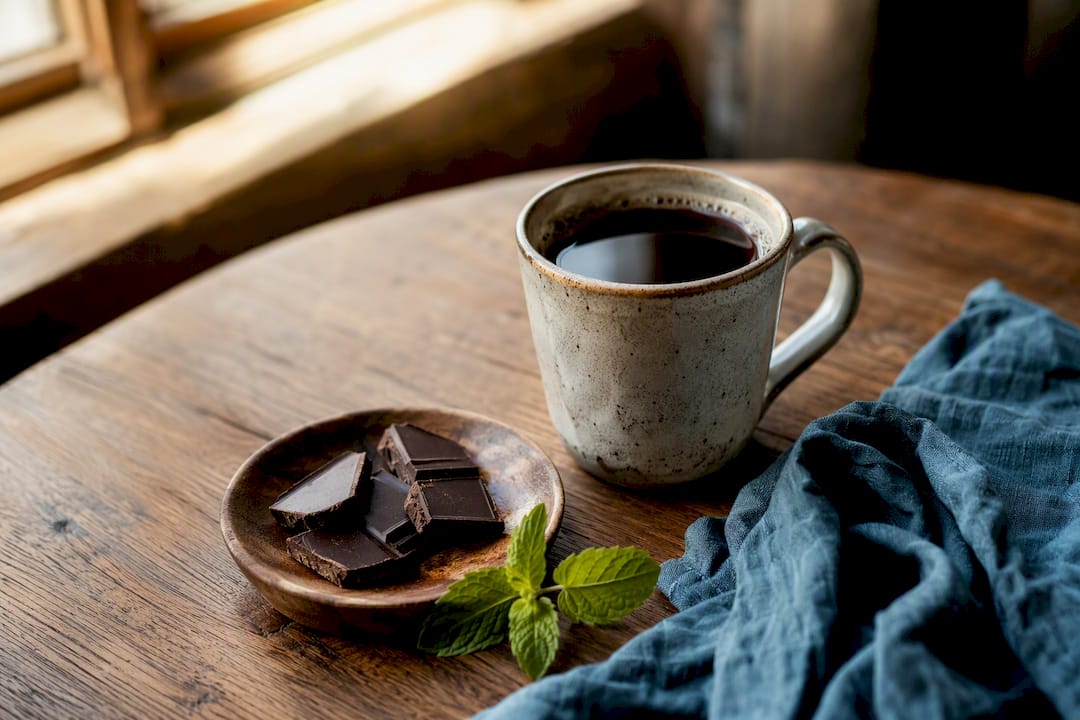
For a slower, reflective moment, a medium roast filter coffee alongside a 60% dark chocolate softens the experience without losing complexity, ideal for reading or unwinding. Social gatherings and dessert-focused occasions favor milk or white chocolate with a latte or cappuccino, since the creamier, sweeter profile reads as more celebratory and pairs naturally with conversation. Late evening sessions benefit from lower-caffeine choices, decaf or a mellow cold brew next to milk chocolate keeps things relaxed without disrupting sleep.
Seasonal mood matters too. Warmer months favor iced or cold brew pairings with a slightly more intense chocolate to compensate for dilution, while cooler months lend themselves to hot, full-bodied coffee against a rich dark bar. Matching the pairing to the moment, not just the flavor chart, is what turns a technical exercise into something genuinely enjoyable.
A Tasting Note Worth Repeating
One pairing that keeps earning a repeat spot on my table: a slightly cooled Ethiopian pour-over, bitten into a square of Madagascar-style dark chocolate first, sipped a beat later. The berry notes in both line up almost exactly. Try it once, then start breaking the rules on purpose.
Try These Pairings With Coffee Made for the Job
Reading about pairing principles only gets you so far; you need coffee built for the exercise, and that is exactly what Thejcoffeecollection curates. Every single-origin and naturally flavored coffee in the collection is selected with flavor clarity in mind, so the fruity, nutty, or roasty notes this guide keeps referencing are actually there to taste, not buried under a generic medium roast.
If you want to practice the starter combos above without committing to a full bag of five different roasts, the flavored coffee sample pack is built for exactly that kind of experimentation, letting you run several pairings in one sitting at a manageable cost. Prefer to build your own tasting flight around origin? Browse the single-origin coffee collection and pick two or three regions to pair against the chocolates already in your pantry. Either way, the next step is simple: order, brew, and taste before you buy anything else.
Frequently Asked Questions
What is specialty chocolate coffee pairing exactly? It is the practice of matching chocolate and coffee by intensity, acidity, and sweetness so that neither flavor overwhelms the other, using cacao percentage and roast level as the main guides.
What is the best chocolate for coffee overall? There is no single best chocolate. A 70% dark bar suits espresso and dark roasts, while milk chocolate favors medium roasts and milk-based drinks, so the right choice depends on the coffee you already have.
Should I sip coffee first or eat chocolate first? Bite the chocolate first and let it start to melt before sipping. Tasting sequentially, according to the Q-Grader pairing method, lets you perceive how the flavors interact rather than blending them together.
Does the coffee’s origin really matter for pairing? It helps, but roast level and cacao percentage usually matter more. Use origin matching, like Ethiopian coffee with Madagascan cacao, to refine a pairing once the intensity is already balanced.
Can pairing chocolate and coffee affect caffeine intake? Yes. Dark chocolate contains some caffeine on its own, so stacking several squares with multiple coffee shots adds up, particularly for anyone sensitive to caffeine later in the day.
Sources
- Chocolate and coffee pairing — Orfève
- These coffee and chocolate origins were made for each other - The Manual
- How to pair coffee and chocolate, according to an expert — Tasting Table
- Chocolate-recipes
Recommended
- Chocolate Hazelnut Coffee – Mocha Nutty Medium Roast | Lets Go Coffee – The J Coffee Collection
- Mexican Chocolate Coffee – Chocolate Cinnamon Medium Roast | Lets Go Coffee – The J Coffee Collection
- Dubai Chocolate Coffee – Exotic Lightly Flavored Roast | Lets Go Coffee – The J Coffee Collection
- Coffee and Tea Pairing Explained for Flavor Enthusiasts – The J Coffee Collection