

What Is Flavored Coffee Infusion? A Complete Guide
Flavored coffee infusion is the deliberate process of adding new flavors to coffee beans at various stages of production to create unique, layered taste experiences. The industry draws a clear line between two categories: flavored vs. infused coffee, where flavored coffee uses post-roast flavor oils applied to finished beans, and infused coffee involves flavor interventions earlier in the supply chain, such as co-fermentation with fruits or spices. Both approaches change what ends up in your cup, but they do so through very different chemistry and timing. Understanding that distinction is the first step toward choosing, brewing, and even making the coffee that genuinely excites you.
What is flavored coffee infusion, and how does it differ from regular flavoring?
Flavored coffee infusion is defined as the introduction of external flavor compounds into coffee beans either before, during, or after the roasting process. The term “infusion” specifically signals that flavors are absorbed into the bean structure rather than simply coated on the surface. This is what separates a true infused coffee from a standard flavored one.
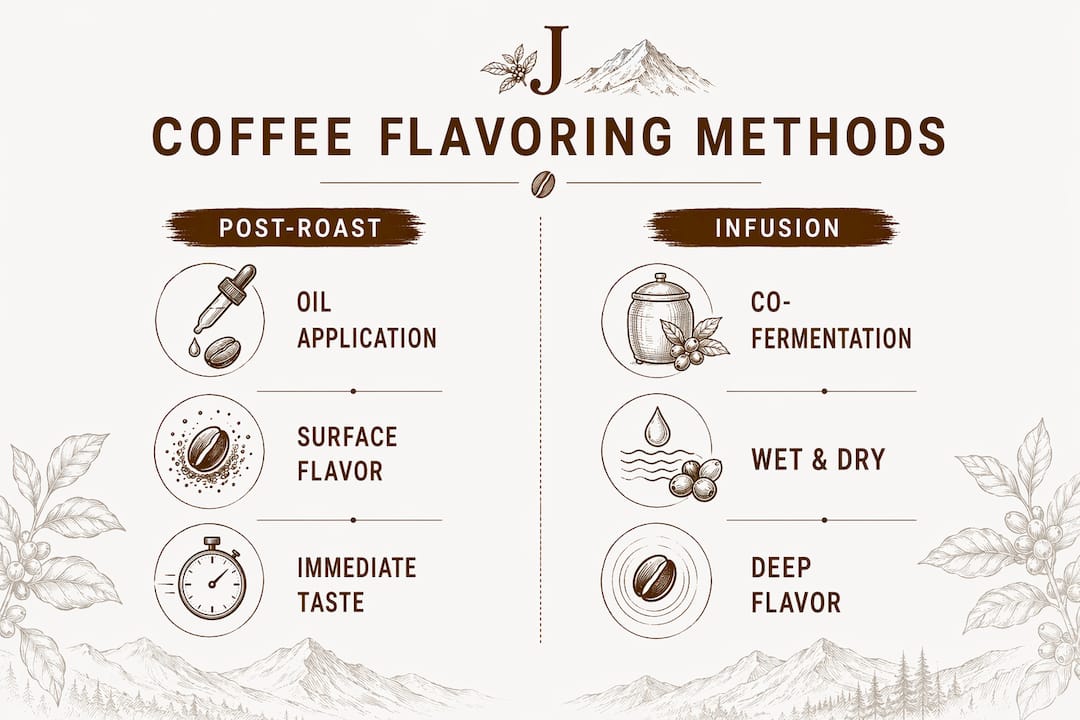
Post-roast flavoring is the most common commercial method. Roasters spray or tumble roasted beans with flavor oils, which bond to the bean’s porous surface as it cools. The result is a consistent, shelf-stable product with a recognizable flavor note like hazelnut, vanilla, or caramel. The flavor sits on top of the bean rather than inside it.
Infused coffee, by contrast, embeds flavor during processing. Co-fermentation is a prime example. Coffee cherries ferment alongside fruits, spices, or specific yeast strains, and the bean absorbs those flavor compounds through its cell walls. The outcome is a subtler, more integrated flavor that reads as part of the coffee itself rather than an addition to it.
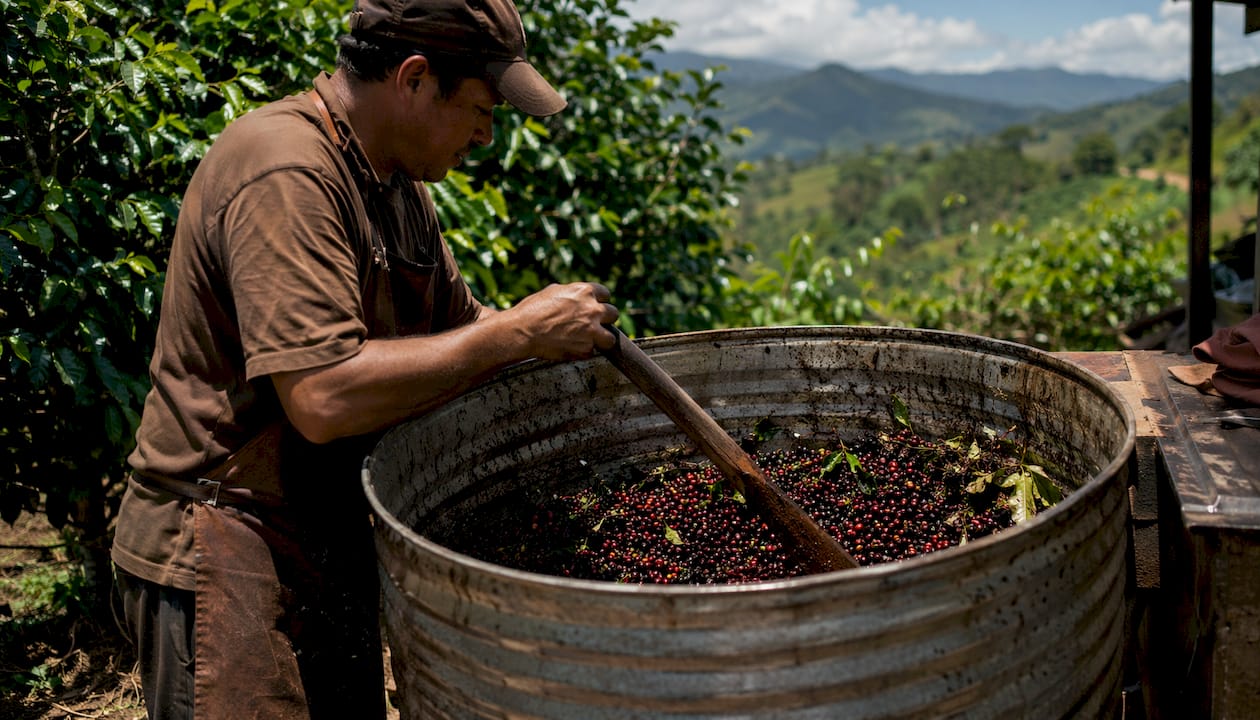
The practical difference matters when you buy coffee. A post-roast flavored bean will taste like the added flavor first. A co-fermented or wet-infused bean will taste like coffee first, with the secondary flavor woven through the finish.
What are the main methods for infusing and flavoring coffee?
Coffee flavoring techniques fall into four main categories, each producing a distinct flavor outcome.
Post-roast oil application
This is the standard method for commercial flavored coffees. Flavor compounds, either natural or artificial, are blended into a carrier oil and applied to warm roasted beans. The beans absorb the oil as they cool. Specialty roasters find a window of 12–24 hours optimal for flavor infusion post-roast, balancing enhancement without masking the bean’s natural character.
Co-fermentation
Co-fermentation happens at the processing stage, before roasting. Producers add fruits, spices, or cultured yeasts to the fermentation tank alongside coffee cherries. The bean absorbs flavor metabolites during fermentation. This method produces the most integrated, complex flavor profiles and is a growing focus in specialty coffee. You can read more about the science behind it in this co-fermentation flavor guide from Thejcoffeecollection.
Wet and dry infusion
Wet infusion soaks green or roasted beans in a flavored liquid, such as a spice tea, fruit juice, or alcohol. Dry infusion places beans in a sealed container with dry ingredients like cinnamon sticks, vanilla pods, or dried citrus peel. Both methods work well at home and in small-batch production.
Spirit and alcohol infusion
Coffee infused into spirits, or spirits infused into coffee beans, is a specialized category. Cold brew concentrate, espresso, or whole beans steep in whiskey, rum, or vodka to create coffee-flavored liqueurs or cocktail ingredients. Extraction chemistry must be carefully controlled here. Over-extraction produces acrid, medicinal flavors that ruin the final product.
| Method | Timing | Flavor result |
|---|---|---|
| Post-roast oil application | After roasting | Bold, surface-level flavor |
| Co-fermentation | During cherry processing | Subtle, integrated complexity |
| Wet infusion | Before or after roasting | Medium depth, customizable |
| Dry infusion | After roasting | Mild, aromatic layering |
| Spirit infusion | After roasting | Rich, alcohol-forward depth |
Pro Tip: For the cleanest spirit infusion, freeze the mixture for 24–48 hours before filtering. Freezing solidifies the coffee oils and solids, making them easy to strain out for a clearer, more shelf-stable result.
How does coffee infusion affect taste and aroma?
The stage at which flavor is added directly controls how deeply it integrates with the coffee’s natural character. Infused coffee adds flavor during processing, producing subtle, integrated taste profiles. Post-roast flavoring creates bolder, more immediate flavor notes that hit the nose before the first sip.
Natural flavor sources and artificial ones behave differently in the cup. Artificial flavorings mimic scent cues effectively but often lack the depth of natural sources. A vanilla pod dry-infused into a bag of beans produces a rounder, more complex sweetness than a synthetic vanillin oil. The label “natural flavor” signals a processing category, not a guarantee of raw ingredients, so reading sourcing notes matters.
The coffee’s origin and roast level also shape how well it absorbs added flavors. Light roasts retain more of the bean’s original acidity and fruit notes, which can clash with heavy spice infusions. Medium roasts offer a neutral base that absorbs flavors evenly. Dark roasts have a denser, more oily surface that holds post-roast oils well but can overwhelm delicate infusion flavors.
Specific infusion techniques produce predictable sensory outcomes:
- Cinnamon dry infusion adds warmth and mild sweetness without raising bitterness
- Citrus peel wet infusion brightens acidity and adds a floral finish
- Vanilla pod dry infusion softens bitterness and adds creamy sweetness
- Fruit co-fermentation (mango, passionfruit) creates tropical, wine-like complexity
- Barrel aging (whiskey or rum barrels) adds caramel, oak, and vanilla depth
Infusion also modifies mouthfeel. Wet infusion with fruit-based liquids can increase perceived sweetness and body. Spirit infusion adds a slight viscosity. Dry infusion with spices tends to leave the mouthfeel unchanged while shifting aroma significantly.
What are the best practices for infusing coffee at home?
Home coffee infusion is one of the most accessible ways to create complex flavor profiles that go beyond what any single-origin bean offers on its own. The process requires no special equipment, just good beans, quality ingredients, and patience.
-
Choose the right base bean. A medium roast from a single origin works best. It has enough body to carry added flavors without the acidity of a light roast or the intensity of a dark roast competing with your infusion. Thejcoffeecollection’s single-origin sample pack gives you six regional profiles to experiment with.
-
Select your infusion ingredient. Whole spices outperform ground ones because they release flavor slowly and evenly. Cinnamon sticks, whole cloves, cardamom pods, vanilla beans, and dried orange peel all work well. For wet infusion, use cold brew concentrate, fruit juice, or a flavored simple syrup.
-
Match your method to your timeline. Dry infusion in a sealed jar takes 2–3 days for a noticeable result. Wet infusion works faster, typically 12–24 hours depending on how intense you want the flavor. Taste at the 12-hour mark and extend if needed.
-
Avoid over-infusing. Leaving beans in contact with strong spices beyond three days produces bitter, medicinal flavors. The goal is balance, not saturation. Remove the infusion ingredient as soon as the flavor reaches the intensity you want.
-
Store correctly after infusing. Transfer infused beans to an airtight container and keep them away from light and heat. Use them within two weeks. Infused beans lose freshness faster than unflavored ones because the added moisture or oils accelerate oxidation.
-
Filter carefully for wet infusions. Use a fine mesh strainer or cheesecloth to remove all liquid and solids before storing. Residual liquid left on beans causes uneven extraction and off flavors when you brew.
Pro Tip: Label your infusion jars with the date and ingredient. After a few experiments, you will have a personal reference for which combinations and durations produce your preferred results.
How do industry professionals create commercially infused coffees?
Commercial coffee infusion operates at a scale and precision that home methods cannot replicate, but the core principles are the same. The main difference is control. Professional roasters use drum coaters and flavor applicators that apply oils at a precise temperature and rotation speed, ensuring every bean receives an even coat. Uneven application is the most common cause of inconsistent flavor in mass-produced flavored coffees.
Temperature management during infusion is critical. Flavor compounds degrade at high heat, so post-roast oil application happens as beans cool to a specific target temperature, typically below 120°F. Applying flavors too early burns off volatile aromatic compounds. Applying them too late means the oils sit on the surface without bonding properly.
The difference between artisanal and mass-produced flavored coffees comes down to ingredient quality and timing. Artisanal roasters use natural flavor compounds, shorter production runs, and fresher beans. Mass-produced products often use synthetic flavor oils with longer shelf lives and apply them to beans that may be weeks past roast date. Freshness at the point of flavoring directly affects how well the bean absorbs and holds the added flavor.
Emerging trends in commercial infusion include barrel-aged coffees, where green or roasted beans rest in spirit barrels for weeks, and co-fermented lots, where producers partner with fruit farms to create exclusive flavor profiles. These methods require significant investment in supply chain coordination but produce flavor complexity that post-roast oil application cannot match. Thejcoffeecollection’s coffee processing guide covers how these processing decisions shape the final cup.
| Production approach | Flavor source | Complexity level | Shelf life |
|---|---|---|---|
| Mass-produced post-roast | Synthetic flavor oils | Low to medium | Long |
| Artisanal post-roast | Natural flavor compounds | Medium | Medium |
| Co-fermented specialty | Fruits, spices, yeasts | High | Short to medium |
| Barrel-aged | Spirit barrel residue | Very high | Medium |
Key Takeaways
Flavored coffee infusion produces the most complex, authentic results when flavor is introduced early in the process, using natural ingredients and precise timing.
| Point | Details |
|---|---|
| Two distinct categories | Flavored coffee uses post-roast oils; infused coffee embeds flavor during processing. |
| Timing controls depth | Earlier flavor introduction creates more integrated, subtle complexity in the final cup. |
| Natural beats artificial | Natural flavor sources produce greater depth than synthetic alternatives that mimic scent only. |
| Home infusion is accessible | Dry infusion takes 2–3 days; wet infusion takes 12–24 hours with no special equipment needed. |
| Freshness matters commercially | Artisanal roasters apply flavors to fresh beans, which absorbs compounds more effectively than stale ones. |
Why I think most people are drinking flavored coffee wrong
Most coffee drinkers reach for flavored coffee as a shortcut to sweetness, and that is a missed opportunity. The real value of coffee infusion is not masking the bean. It is amplifying what is already there. A well-executed vanilla dry infusion on a naturally sweet Ethiopian Yirgacheffe does not taste like vanilla coffee. It tastes like the coffee finally became what it was always trying to be.
The natural versus artificial debate is worth taking seriously. Artificial flavors are not inherently bad, but they are designed to hit one note loudly. Natural infusion methods, especially co-fermentation and dry spice infusion, create flavor that evolves as the cup cools. That complexity is what separates a memorable cup from a forgettable one.
Home infusion is where I think the most exciting experimentation is happening right now. You do not need a commercial roaster or a fermentation tank. A sealed jar, a good medium roast, and a vanilla bean will teach you more about flavor integration than reading a dozen articles. The feedback loop is fast, the cost is low, and the results are genuinely surprising.
The future of flavored coffee infusion points toward sustainability. Co-fermentation with locally sourced fruits reduces the need for synthetic flavor compounds and creates a direct link between the coffee’s terroir and its flavor story. That is a direction worth watching, and worth tasting.
— jonathan
Thejcoffeecollection’s flavored and infused coffee range
Thejcoffeecollection curates a selection of naturally flavored and specialty coffees built for curious drinkers who want more than a standard cup.
The flavored coffee sample pack includes six natural flavor profiles, giving you a direct comparison of how different infusion approaches taste side by side. Each bag ships freshly roasted, which means the flavor compounds are at peak integration when they reach you. For readers ready to experiment with their own infusion at home, the full coffee collection includes single-origin beans across roast levels, each suited to different infusion methods. Whether you are starting with a simple cinnamon dry infusion or working toward a co-fermented specialty lot, Thejcoffeecollection has the base beans to match your ambition.
FAQ
What is the difference between flavored and infused coffee?
Flavored coffee applies flavor oils to beans after roasting, while infused coffee introduces flavors during processing or brewing for a more integrated result. The timing of flavor addition is what separates the two categories.
How long does home coffee infusion take?
Dry infusion with spices or vanilla takes 2–3 days in a sealed container. Wet infusion methods typically need 12–24 hours depending on the desired flavor intensity.
Are natural flavored coffees better than artificial ones?
Natural flavor sources generally produce greater depth and complexity. Artificial flavorings replicate scent cues effectively but tend to deliver a single, flat note rather than the layered character of natural infusion.
What coffee roast works best for home infusion?
A medium roast is the most reliable base for home infusion. It absorbs added flavors evenly without the competing acidity of a light roast or the intensity of a dark roast overpowering the infusion ingredient.
Can you infuse coffee with alcohol?
Yes. Whole beans or cold brew concentrate steep in spirits like whiskey or rum to create coffee-flavored infusions. Careful extraction control is required because over-extraction produces bitter, medicinal off-flavors that are difficult to correct.