

Why Fresher Coffee Tastes Better: A Flavor Guide
Fresher coffee tastes better because its volatile aromatic compounds remain intact until the moment you grind and brew, preserving the full flavor complexity the roaster intended. Once a bean is ground, oxygen immediately attacks those compounds, and the cup you pour minutes later is already a diminished version of what it could be. This is not a marketing claim. It is basic chemistry with real sensory consequences. Understanding why fresher coffee tastes better gives you the knowledge to make every cup count, whether you brew at home or order from a specialty source like Thejcoffeecollection.
Why fresher coffee tastes better: the chemistry behind every sip
Coffee beans act as sealed containers, protecting aroma compounds until grinding breaks that protection and starts oxidation. The moment the grinder finishes its work, hundreds of volatile flavor molecules are exposed to air for the first time. That exposure is the beginning of flavor loss.
The degradation happens fast. Aromatic compounds evaporate within minutes after grinding, changing the flavor profile before the kettle even boils. This is why coffee ground the night before tastes noticeably flatter than coffee ground right before brewing.
Three specific processes drive this decline:
- Oxidation: Oxygen reacts with coffee oils and flavor compounds, dulling brightness and introducing stale or cardboard notes.
- Aromatic evaporation: The lightest, most fragrant molecules escape into the air rather than into your cup.
- Oil degradation: Coffee oils carry much of the body and mouthfeel. Oxidized oils produce a rancid or bitter aftertaste that was never part of the roaster’s plan.
Each process compounds the others. Oxidation accelerates evaporation. Degraded oils mask the sweetness that fresh coffee naturally carries. The result is a cup that tastes one-dimensional and heavy rather than layered and bright.
Pro Tip: Grind only what you need for each brew session. Even 30 minutes between grinding and brewing allows measurable aroma loss.
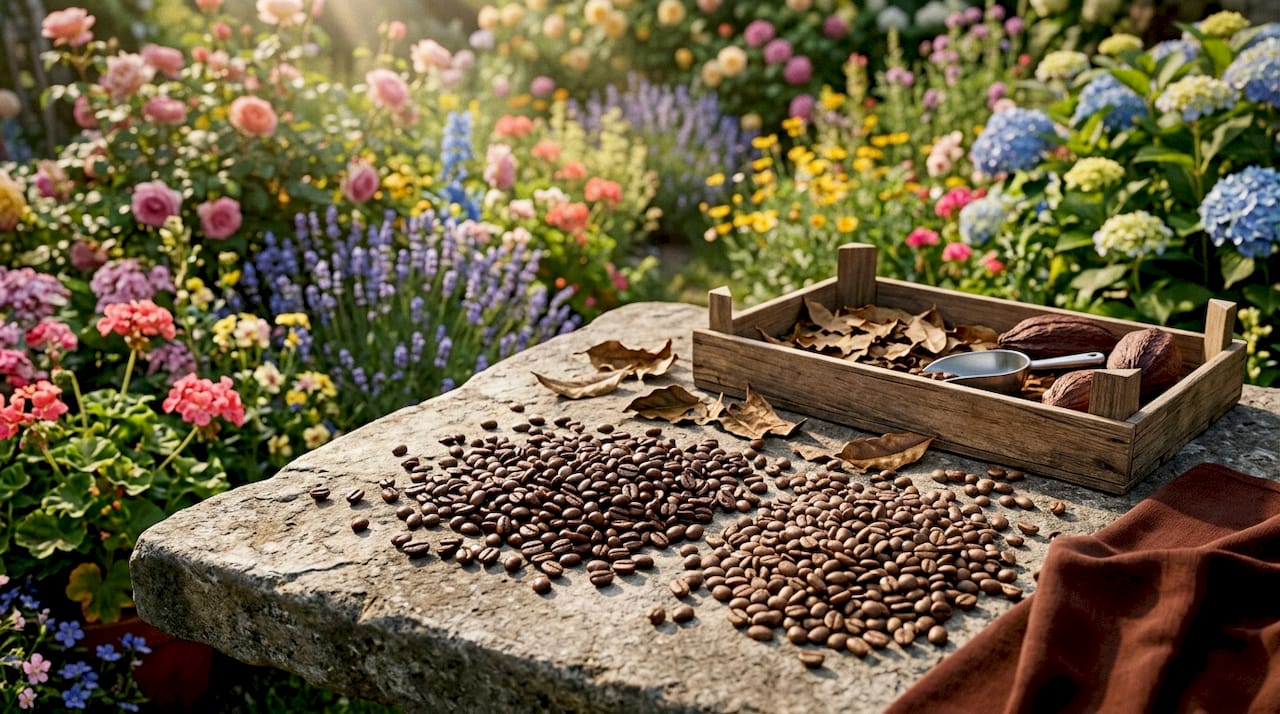
The surface area created by grinding also matters. Ground coffee exposes thousands of times more surface area to air than a whole bean does. That is why pre-ground coffee in an open bag deteriorates so much faster than whole beans in a sealed container.
How does freshness affect aroma and flavor clarity?
Fresh coffee flavor is not just about intensity. It is about clarity, balance, and the ability to taste what the roaster actually built into the bean. Fresh ground coffee delivers clearer flavor notes, with noticeable sweetness and brighter acidity that pre-ground coffee simply cannot match.
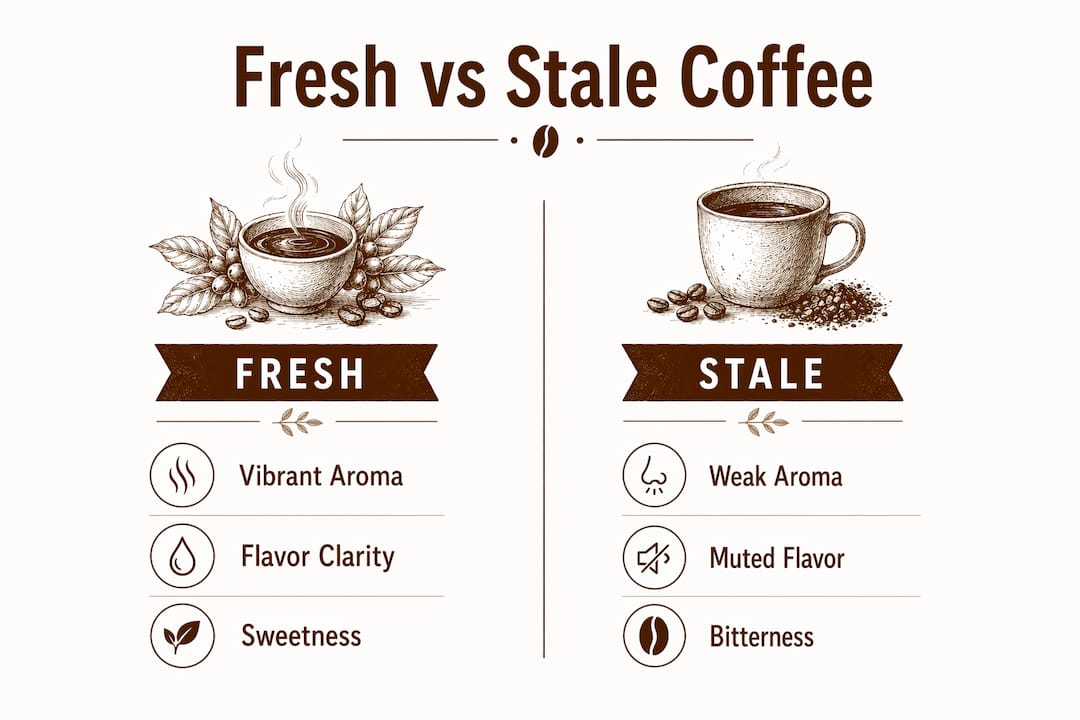
What you taste in a fresh cup
A freshly ground and brewed cup typically shows:
- Brightness: A clean, lively acidity that feels refreshing rather than sharp.
- Sweetness: Natural sugars in the bean express themselves without being buried under stale bitterness.
- Layered aroma: Floral, fruity, or chocolatey notes arrive in sequence rather than all at once as a flat, generic “coffee smell.”
- Clean finish: The aftertaste is short and pleasant, not lingering and harsh.
Pre-ground coffee loses these qualities because most of what we interpret as taste is actually aroma. When aroma evaporates before brewing, the cup tastes muted regardless of how well you brew it. Strength and aroma are not the same thing. A strong pre-ground coffee is just concentrated flatness.
Fresh vs. stale: a sensory comparison
| Attribute | Freshly ground coffee | Pre-ground or stale coffee |
|---|---|---|
| Aroma | Vibrant, layered, distinct | Faint, generic, flat |
| Acidity | Bright and clean | Dull or absent |
| Sweetness | Noticeable and natural | Buried under bitterness |
| Bitterness | Balanced and brief | Harsh and lingering |
| Finish | Short and pleasant | Long and stale |
The gap between these two experiences is not subtle. Coffee lovers who switch from pre-ground to freshly ground beans consistently describe the difference as tasting coffee “for the first time.”
Pro Tip: Smell your ground coffee before brewing. If the aroma is weak or smells like cardboard, the flavor in the cup will reflect that. Your nose is your best quality check.
Common misconceptions about coffee freshness
Freshness in coffee is a habit of respect for the product, not a marketing phrase. Specialty coffee professionals stress that fresh grinding preserves the intended flavor profile, but several myths complicate how coffee lovers think about freshness.
-
Myth: The freshest roast date always means the best cup. Freshly roasted beans release carbon dioxide through a process called degassing. Brewing too soon after roasting can produce sour or uneven extraction because CO2 interferes with water contact. Most specialty roasters recommend waiting 3–10 days after the roast date before brewing.
-
Myth: Freshly ground always means better, no matter what. Grinding fresh helps only if the beans themselves are fresh. Grinding stale beans just creates stale grounds faster. The roast date on the bag matters as much as your grinding habit.
-
Myth: Flavor drops off a cliff after a certain date. Coffee quality diminishes gradually through oxidation and aroma loss. There is no single day when coffee “goes bad.” The decline is slow and steady, which means proper storage can meaningfully extend peak flavor.
-
Myth: Vacuum-sealed pre-ground coffee is just as fresh. Vacuum sealing slows oxidation but does not stop aromatic evaporation. Once the seal is broken, degradation resumes at full speed. Whole beans in a sealed bag always outperform pre-ground coffee in a vacuum pack over time.
-
Myth: Freezing coffee ruins it. Freezing whole beans in an airtight container actually preserves freshness well, provided you thaw only what you need and never refreeze. The problem is moisture from repeated freeze-thaw cycles, not the cold itself.
Understanding these nuances separates casual coffee drinkers from those who consistently brew great cups. Freshness is not binary. It is a spectrum that you can manage with the right habits.
How to maximize fresh coffee flavor at home
Getting the most from fresh coffee flavor requires attention at three stages: buying, storing, and brewing. Each stage either protects or destroys the aromatic compounds that make a cup worth drinking.
-
Buy beans with a clear roast date. The roast date is the single most useful piece of information on a coffee bag. Aim to buy beans roasted within the past two to four weeks. If a bag shows only a “best by” date with no roast date, treat it with skepticism. Thejcoffeecollection lists roast information clearly, making it easy to buy fresh beans online with confidence.
-
Store whole beans in an airtight, opaque container. Proper storage extends bean freshness significantly by blocking light, air, and moisture. A ceramic or stainless steel canister with a one-way valve is ideal. Avoid clear glass jars on the counter, which expose beans to light and temperature swings.
-
Keep beans away from heat and moisture. The kitchen counter near the stove is one of the worst places to store coffee. Heat accelerates oxidation. A cool, dark cabinet is far better.
-
Grind immediately before brewing. This is the single highest-impact habit you can build. Even a basic burr grinder produces dramatically better results than buying pre-ground coffee. The grind size also matters: match it to your brew method for the cleanest extraction.
-
Use a brew method that respects the bean. Pour-over methods like the Chemex or V60 allow fresh coffee’s nuance to shine because they give you control over water temperature and contact time. Espresso rewards freshness too, but the margin for error is smaller. French press is forgiving and highlights body and sweetness well.
-
Buy in smaller quantities more often. A 12-ounce bag used within two weeks beats a 2-pound bag that sits open for two months. Buying smaller and more frequently is the simplest way to keep coffee beans fresh without changing anything else about your routine.
The importance of coffee roast date cannot be overstated. It anchors every other freshness decision you make.
Key Takeaways
Fresher coffee tastes better because intact aromatic compounds, preserved until the moment of grinding, deliver the sweetness, acidity, and flavor clarity that stale or pre-ground coffee cannot replicate.
| Point | Details |
|---|---|
| Grinding triggers flavor loss | Aromatic compounds evaporate within minutes of grinding, so grind immediately before brewing. |
| Aroma drives perceived taste | Most of what you taste is actually smell; protecting aroma is the fastest way to improve your cup. |
| Roast date beats “best by” date | Buy beans with a clear roast date and brew them 3–10 days after roasting for peak flavor. |
| Storage method matters | Airtight, opaque containers away from heat extend freshness and protect flavor compounds. |
| Freshness fades gradually | Flavor loss is slow and steady, so good habits at every stage compound into a noticeably better cup. |
Fresh coffee changed how I think about the morning ritual
I used to treat coffee as fuel. I bought pre-ground bags, stored them in the original packaging, and brewed whenever I got around to it. The cup was fine. It was warm and caffeinated, and that felt like enough.
The shift happened when I ground whole beans for the first time and smelled the grounds before brewing. The aroma was so different from anything I had experienced with pre-ground coffee that I stood there for a moment just taking it in. Floral, slightly fruity, with a warmth underneath that I could not name. That smell alone told me something was different.
What I have learned since is that freshness is not about being precious or obsessive. It is about respecting the work that went into the bean. A roaster spent time developing a flavor profile. Grinding fresh and brewing promptly is simply the act of honoring that work rather than letting it evaporate into the kitchen air.
The habit does not have to be complicated. Grinding 30 seconds before brewing costs nothing extra. Buying from a source that delivers freshly roasted coffee takes the same effort as any other online purchase. The return on those small habits is a cup that actually tastes like what coffee can be.
Start with the roast date. That one number will change how you shop, store, and brew.
— jonathan
Fresh coffee worth brewing, delivered to your door
Thejcoffeecollection sources and ships freshly roasted coffee so that the beans arrive at peak flavor, not weeks past their prime. Every selection in the specialty coffee collection is curated for flavor clarity, from single-origin beans that highlight regional character to naturally flavored options that bring something unexpected to your morning cup.
If you want to taste what fresh coffee flavor actually means, the single-origin sample pack is the clearest way to experience the difference across six distinct profiles. Packaging is designed to protect freshness from roast to doorstep, so the aroma you smell when you open the bag is the aroma that ends up in your cup.
FAQ
Why does freshly ground coffee taste so much better?
Grinding breaks the bean’s natural seal and exposes aromatic compounds to air. Brewing immediately after grinding captures those compounds in the cup before they evaporate.
How long does ground coffee stay fresh after grinding?
Ground coffee begins losing aromatic complexity within minutes of grinding. For the best flavor, brew within 15 minutes of grinding.
What is the importance of the coffee roast date?
The roast date tells you how long the beans have had to degas and how much flavor they have left. Beans brewed 3–10 days after roasting typically deliver the best balance of aroma and clarity.
Does pre-ground coffee ever taste as good as freshly ground?
Pre-ground coffee cannot match freshly ground coffee in aroma or flavor clarity. Vacuum sealing slows degradation but does not stop aromatic evaporation once the seal is broken.
How should I store coffee beans to keep them fresh?
Store whole beans in an airtight, opaque container away from heat and moisture. Avoid clear glass jars and countertop storage near the stove, both of which accelerate flavor loss.
Recommended
- Is Freshly Roasted Coffee Better? – The J Coffee Collection
- Coffee Processing Methods Compared: A 2026 Flavor Guide – The J Coffee Collection
- Fresh Roasted Coffee Delivery That Tastes Better – The J Coffee Collection
- Coffee Terroir and Flavor: What Every Enthusiast Must Know – The J Coffee Collection