

What Is a Seasonal Coffee Blend? Your Full Guide
A seasonal coffee blend is defined as a time-limited, curated coffee crafted to capture the flavors and aromas of a specific season or holiday. Roasters build these blends by selecting beans from multiple origins and adjusting roasting profiles to match seasonal character. The result is something fundamentally different from a year-round house blend. Understanding what is seasonal coffee blend means recognizing that the cup in your hand is tied to a moment in time, a harvest cycle, and a deliberate creative choice. Thejcoffeecollection curates seasonal offerings with exactly this philosophy in mind.
What is a seasonal coffee blend and how does it differ from regular blends?
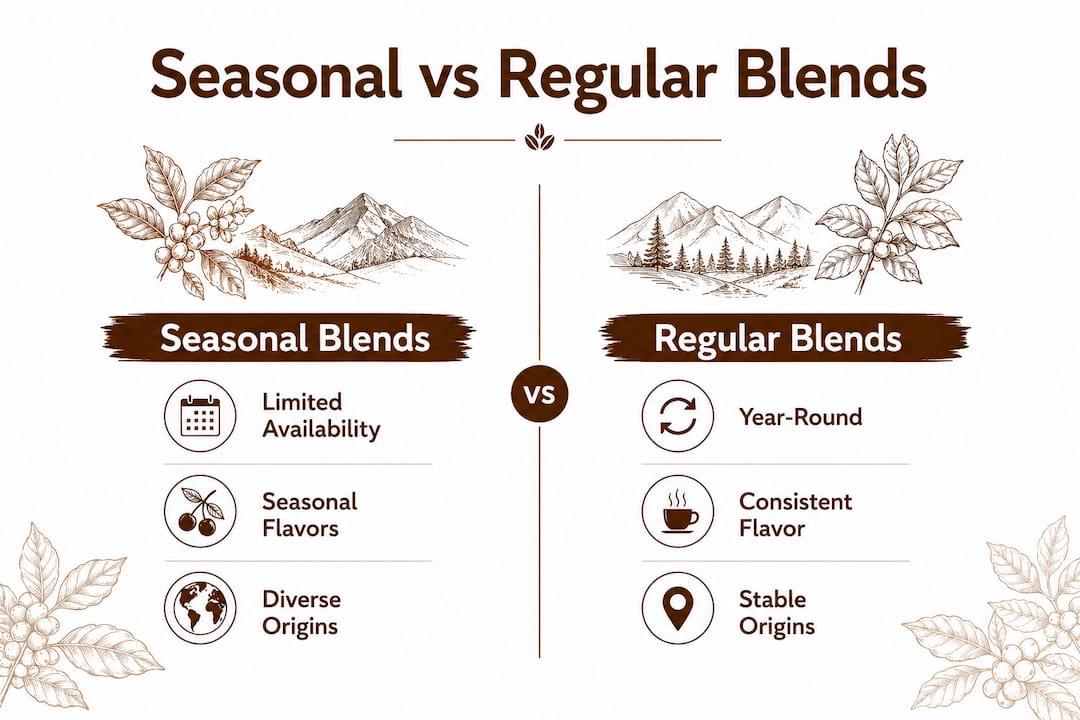
A seasonal coffee blend is distinct from a standard blend in three concrete ways: its bean sourcing, its roasting profile, and its availability window. Regular blends aim for consistency across the calendar year. Seasonal blends are built to express a specific time of year, which means the formula changes with the seasons.
The sourcing strategy alone sets seasonal blends apart. Holiday blends often combine beans from Latin America, Africa, and the Asia-Pacific region to achieve a warm, spicy, and sweet profile that feels right for colder months. A spring or summer blend, by contrast, leans on East African or Central American beans with brighter acidity and fruit-forward notes.
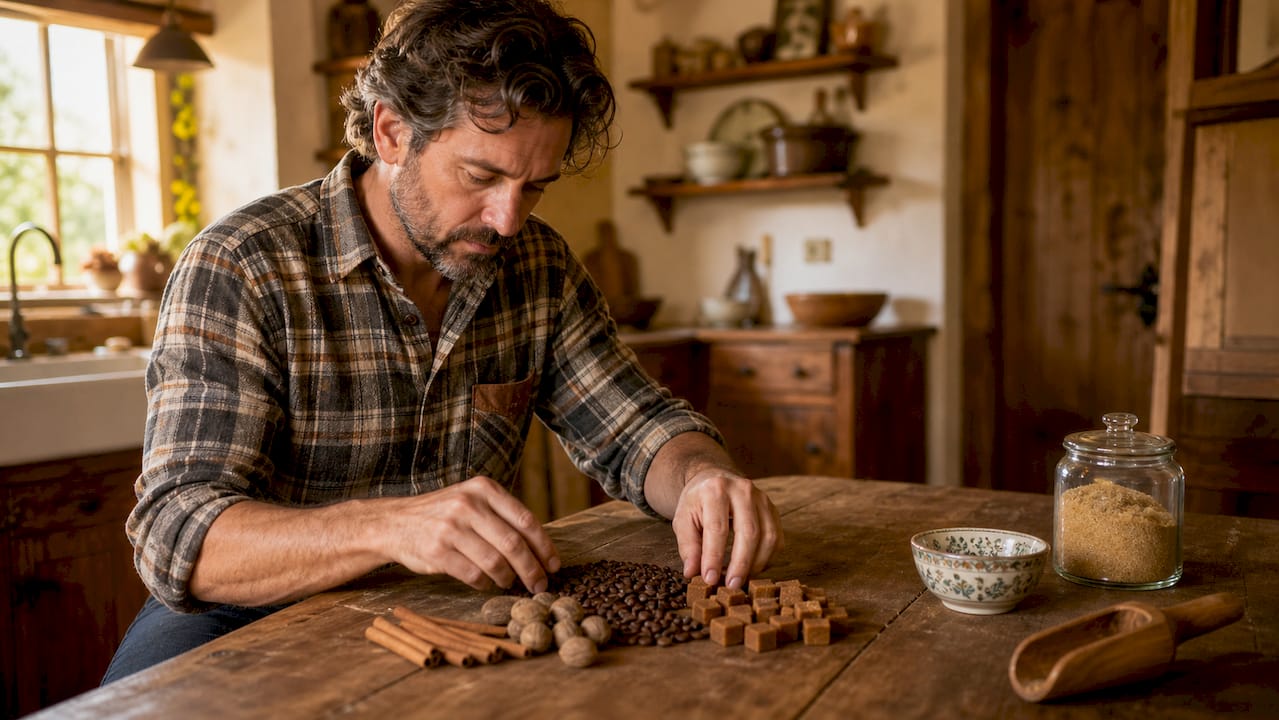
Roasting decisions follow the same seasonal logic. Roasters typically apply medium to medium-dark roasts for winter holiday blends to draw out chocolate, caramel, and nut tones. Lighter roasts suit warmer-season blends, preserving the floral and citrus notes that feel refreshing in july and august.
The table below shows how seasonal blends compare to other common coffee blend types.
| Blend Type | Availability | Flavor Focus | Bean Origins |
|---|---|---|---|
| Seasonal blend | Limited window | Season-specific (spice, fruit, floral) | Multi-region, curated per season |
| Year-round house blend | Always available | Consistent, balanced | Fixed multi-region formula |
| Single origin | Harvest-dependent | Terroir-driven | One country or region |
| Flavored blend | Often year-round | Added flavor notes | Multi-region base |
Limited availability is not a marketing trick. It reflects real constraints in bean harvests, seasonal spice sourcing, and the roaster’s creative calendar. That scarcity is part of what makes a seasonal release feel worth seeking out.
Pro Tip: When a seasonal blend you love sells out, buy an extra bag and freeze it in an airtight container. Properly frozen whole beans hold their flavor for up to two months without significant degradation.
What are common seasonal coffee flavors through the year?
Seasonal coffee flavors follow a clear arc across the calendar, and knowing that arc helps you choose the right cup at the right time.
Winter and holiday blends are the most recognized category. Festive holiday blends release from late autumn through mid-winter and feature chocolate, spice, and nut profiles that feel warm and celebratory. Common flavor notes include:
- Cinnamon and nutmeg: The defining spice notes of holiday coffee, evoking warmth and familiarity
- Dark chocolate and caramel: Rich, sweet undertones that pair naturally with the heavier roast levels used in winter blends
- Clove and vanilla: Softer spice notes that add depth without overpowering the coffee’s natural character
- Toasted nuts: Hazelnut and almond notes that appear when Latin American beans are roasted to medium-dark levels
Spring and summer blends shift the flavor register entirely. Roasters reach for beans with natural brightness, often from Ethiopia or Kenya, to produce profiles built around stone fruit, citrus, and floral notes. A well-made spring blend might taste of peach, jasmine, or bergamot without a single added flavoring.
Seasonal flavor notes like cinnamon, nutmeg, clove, vanilla, and caramel are sometimes added directly as natural infusions. That means the flavor comes from real spice contact during or after roasting, not artificial flavoring agents. The distinction matters for coffee lovers who want a clean, natural cup.
“Seasonal blends create shared cultural experiences tied to holidays and traditions, enriching coffee enjoyment beyond what any single-origin cup can offer on its own. The flavor is the memory.”
The sensory vocabulary for seasonal coffee is worth learning. Words like “warm,” “round,” and “cozy” describe winter profiles. “Bright,” “clean,” and “juicy” describe spring and summer offerings. Knowing these terms helps you read a tasting note and predict what you will actually taste in the cup.
How do roasters create seasonal coffee blends?
Crafting a seasonal blend is a deliberate, multi-step process that takes months of planning before the first bag hits the shelf.
- Green bean sourcing. Roasters identify beans that naturally carry the flavor notes they want to highlight. For a winter blend, they might select a Guatemalan bean with chocolate and brown sugar notes alongside a Sumatran bean that adds body and earthiness.
- Roasting profile development. Each bean in the blend gets its own roast curve. Roasters adjust temperature, airflow, and time to coax out specific flavors. Roasting profiles are adjusted to enhance seasonal character, with medium or medium-dark roasts common for holiday blends.
- Pre-roast or post-roast blending. Roasters choose whether to blend green beans before roasting or to roast each variety separately and combine afterward. Post-roast blending gives more control over individual bean character. Pre-roast blending is faster and can create interesting interactions between beans during the roast.
- Cupping and iteration. Roasters test seasonal blends repeatedly through cupping to confirm consistency and capture the intended seasonal character. A single blend might go through five or six cupping sessions before it is approved for release.
- Sustainable sourcing review. Seasonal blends encourage sustainable sourcing as roasters incorporate specialty ingredients with an ethical focus. Many roasters use seasonal releases as an opportunity to work with small farms and direct-trade relationships.
Pro Tip: Ask your roaster whether a seasonal blend uses pre- or post-roast blending. Post-roast blends tend to have more distinct, layered flavors. Pre-roast blends often taste more integrated and uniform.
The biggest challenge in seasonal blend creation is repeatability. Harvests vary year to year, which means the same blend can taste slightly different each season. Skilled roasters treat that variation as part of the story rather than a flaw.
Why do seasonal coffee blends matter to coffee lovers?
Seasonal blends carry weight beyond the cup. They connect drinkers to time, place, and shared experience in ways that a standard house blend simply cannot.
Seasonal releases foster anticipation, emotional connection, and sensory appeal, turning routine coffee into memorable experiences. That anticipation is real and measurable. Coffee lovers plan around seasonal releases the same way they plan around a favorite restaurant’s seasonal menu.
The cultural dimension is equally strong. A winter holiday blend does not just taste like chocolate and spice. It tastes like december mornings, family gatherings, and the specific comfort of a warm cup during cold weather. Seasonal blends create shared cultural experiences tied to holidays and traditions, enriching coffee enjoyment.
“The best seasonal blends do not just taste good. They make you feel something. That emotional layer is what separates a memorable cup from a forgettable one.”
The benefits for coffee lovers extend beyond nostalgia:
- Palate expansion. Seasonal blends introduce flavor profiles that year-round drinkers might never encounter otherwise. A spring blend with Ethiopian jasmine notes can permanently change how someone thinks about coffee.
- Brand loyalty through exclusivity. Limited availability increases urgency and strengthens loyalty through seasonal storytelling and exclusive experiences. Drinkers who find a blend they love become advocates for the roaster.
- Support for ethical sourcing. Many seasonal blends are built around direct-trade relationships with small farms. Buying seasonal often means supporting farmers who grow specialty crops with care.
- Ritual and routine. A seasonal blend gives coffee lovers a reason to pause and pay attention to what is in their cup. That mindfulness deepens appreciation for the craft.
Seasonal releases spark curiosity and invite coffee lovers to expand their palate and delight in unique coffee moments. The best seasonal coffee is not just a product. It is an experience with a beginning and an end.
How to choose and enjoy seasonal coffee blends
Choosing the right seasonal blend starts with knowing your own preferences and then letting the season guide you from there.
Match roast level to your taste. If you prefer bold, rich coffee, look for medium-dark or dark roast winter blends with chocolate and spice notes. If you lean toward lighter, brighter cups, spring and summer blends with fruit and floral profiles will suit you better. Reading tasting notes on premium beans before buying saves you from guessing.
Choose your brewing method deliberately. Seasonal flavors show up differently depending on how you brew.
- French press amplifies body and richness, making it ideal for winter blends with chocolate and nut notes
- Pour-over highlights clarity and brightness, which suits spring and summer blends with fruit and floral character
- Espresso concentrates flavor, which works beautifully with spiced holiday blends but can make delicate summer profiles taste sharp
- Cold brew softens acidity and sweetens the cup naturally, making it a strong choice for summer seasonal releases
Pair food thoughtfully. Winter blends with cinnamon and caramel notes pair well with shortbread, pecan pie, or dark chocolate. Spring blends with citrus notes complement lemon pastries, fresh berries, or mild cheeses. For deeper pairing ideas, coffee and tea pairing guides can help you build combinations that enhance both the food and the cup.
Buy fresh and store carefully. Seasonal blends are often roasted in small batches. Buy within two weeks of the roast date when possible, and store whole beans in an airtight container away from light and heat. Grind just before brewing to preserve the volatile aromatic compounds that make seasonal flavors vivid.
Pro Tip: Order a flavored coffee sample pack alongside a seasonal blend to compare how natural spice infusions differ from roast-developed flavor notes. The contrast teaches you more about coffee flavor in one tasting session than months of drinking a single blend.
Key Takeaways
A seasonal coffee blend is the most direct way to experience how bean origin, roast level, and timing combine to create a flavor tied to a specific moment in the year.
| Point | Details |
|---|---|
| Definition of seasonal blends | Time-limited coffees crafted to capture the flavors and aromas of a specific season or holiday. |
| Flavor profiles by season | Winter blends feature chocolate, spice, and nuts; spring and summer blends lean toward fruit, citrus, and floral notes. |
| Creation process | Roasters source targeted beans, adjust roasting profiles, and cup repeatedly to achieve seasonal character. |
| Cultural significance | Seasonal releases build anticipation, emotional connection, and loyalty through exclusivity and shared tradition. |
| How to enjoy them | Match roast level to taste, brew with a method that suits the profile, and buy fresh close to the roast date. |
Why seasonal blends are the most honest coffee you can drink
Seasonal blends force honesty in a way that year-round coffees do not. A house blend is engineered to taste the same in january as it does in july. A seasonal blend admits that coffee is an agricultural product, that harvests change, and that the best cup available right now is different from the best cup available six months ago.
I have tasted winter holiday blends that genuinely moved me, not because they were technically perfect, but because they tasted like a specific memory. A dark chocolate and clove blend I had one december morning tasted exactly like my grandmother’s kitchen during the holidays. No single-origin Ethiopian, however beautiful, has ever done that.
What I find most interesting about the seasonal blend category is how it rewards patience. Coffee lovers who pay attention to the seasonal calendar develop a richer relationship with coffee over time. They start to notice when the new harvest lots arrive from Central America in spring, when the East African naturals hit their peak in summer, and when the roaster’s holiday formula changes slightly from one year to the next.
The craftsmanship behind a good seasonal blend is real. Roasters spend months sourcing, testing, and refining before a bag ever reaches your door. That effort deserves recognition. When you buy a seasonal blend, you are not just buying coffee. You are buying into a creative process that connects farmers, roasters, and drinkers across a shared moment in time.
My honest advice: do not wait for a special occasion to open a seasonal blend. Brew it on a Tuesday morning. Pay attention. That is when you will actually taste it.
— jonathan
Seasonal coffees worth trying from Thejcoffeecollection
Thejcoffeecollection curates seasonal and specialty coffees with the same attention to origin and roast profile that this article describes.
Whether you are looking for a warm winter blend with chocolate and spice or a bright, fruit-forward release for warmer months, Thejcoffeecollection sources and roasts with freshness as the priority. Every offering is selected to give you a genuine seasonal experience, not a generic flavored coffee dressed up with holiday packaging. Browse the full range of freshly roasted seasonal coffees and find the blend that fits your current season. If you want to explore beyond blends, the single origin collection offers a direct look at how individual origins shape the flavor notes that seasonal blends are built around.
FAQ
What is a seasonal coffee blend?
A seasonal coffee blend is a time-limited coffee crafted to capture the flavors and aromas of a specific season or holiday, using curated beans and adjusted roasting profiles. It differs from a year-round blend in its intentional exclusivity and season-specific flavor design.
What flavors are in a holiday coffee blend?
Holiday blends typically feature chocolate, cinnamon, nutmeg, clove, caramel, and vanilla notes, achieved through bean selection and roasting rather than artificial flavoring. Beans from Latin America, Africa, and the Asia-Pacific region are commonly combined to build this warm, spiced profile.
How long are seasonal coffee blends available?
Festive holiday blends are generally available from late autumn through mid-winter, while spring and summer releases follow their own shorter windows tied to harvest cycles and roaster schedules. Availability varies by roaster, but most seasonal releases sell out before the season ends.
How should I brew a seasonal coffee blend?
French press works well for rich winter blends, while pour-over suits brighter spring and summer profiles. Match your brewing method to the roast level and flavor notes on the bag for the best result.
Are seasonal coffee blends different from flavored coffees?
Seasonal blends develop their character primarily through bean selection and roasting, while flavored coffees add natural or artificial flavoring agents after roasting. Many seasonal blends use natural spice infusions, but the base flavor comes from the coffee itself.