

10 Energy-Boosting Coffee Blends for Focus and Stamina
Here are the 10 best energy-boosting coffee blends and formats, ranked by use case, with caffeine callouts and format notes so you can pick the right one without reading the whole article.
- Max Caf High Caffeine Tanzania Robusta Blend (Thejcoffeecollection) — Best for: maximum caffeine spike | High caffeine | Ground/beans
- Breakfast Blend+ Extra Caffeine Coffee (Thejcoffeecollection) — Best for: morning energy without bitterness | High caffeine | Ground
- Mushroom Coffee Medium Roast — Lion’s Mane, Cordyceps & Reishi (Thejcoffeecollection) — Best for: sustained focus with adaptogens | Medium caffeine | Ground/beans
- Mushroom Instant Coffee (Thejcoffeecollection) — Best for: quick adaptogenic energy on the go | Medium caffeine | Instant
- Cold-brew concentrate — Best for: fast-onset energy, low acid | High caffeine | RTD/concentrate
- Bottled espresso shot (RTD) — Best for: instant spike, no brewing | High caffeine | RTD
- Low-acid medium roast — Best for: sustained focus, sensitive stomach | Medium caffeine | Ground/beans
- L-Theanine-fortified coffee capsule — Best for: smooth energy, no jitters | Medium caffeine | Capsule
- Dark-roast Mushroom Coffee (Thejcoffeecollection) — Best for: bold flavor + adaptogen support | Medium caffeine | Ground/beans
- Kopi Safari medium roast (Thejcoffeecollection) — Best for: balanced daily energy, lower jitter | Medium caffeine | Ground/beans
The FDA’s guidance on caffeine sets a practical ceiling of roughly 400 mg per day for healthy adults, which is the number worth keeping in mind as you work through this list.
Table of Contents
- Blend profiles: what each pick does and how to use it
- Why Robusta blends and concentrated formats hit harder
- Adaptogens and add-ins that support sustained focus
- How to dose and time your coffee for peak focus
- How these blends were selected
- Key Takeaways
- The taste vs. power trade-off nobody talks about enough
- Get the featured blends from Thejcoffeecollection
- Useful sources
Blend profiles: what each pick does and how to use it
Each profile below covers format, flavor, expected caffeine range, and one prep tip. A comparison table follows for quick side-by-side reference.
Max Caf High Caffeine Tanzania Robusta Blend
This is Thejcoffeecollection’s highest-output option. Robusta beans contain roughly 2–3% caffeine by bean weight versus Arabica’s 0.8–1.2%, which is why a Robusta-forward blend like this one delivers a noticeably larger dose per cup. The Tanzania origin adds an earthy, slightly woody character that holds up well under a strong brew. Use it as a double-shot espresso or a strong drip for a pre-workout or early-morning spike. Expect a bold, full-bodied cup with minimal sweetness.
Breakfast Blend+ Extra Caffeine Coffee
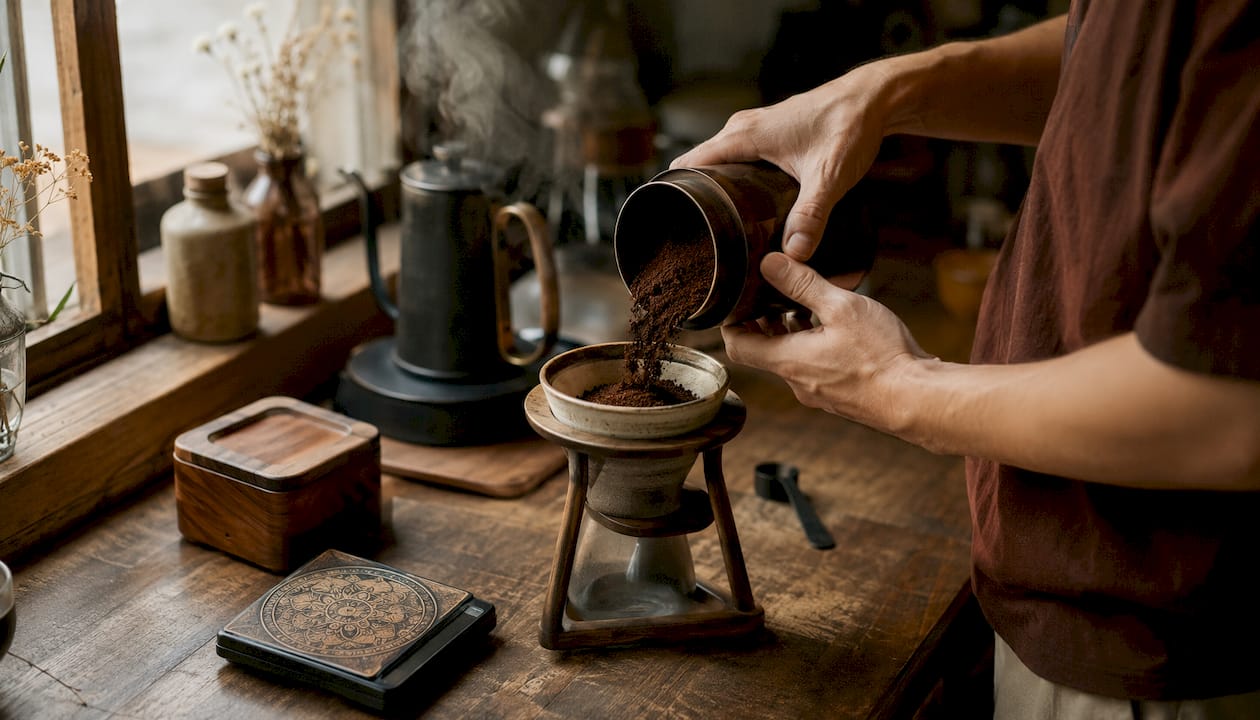
A medium roast built for mornings when you need more than a standard cup but don’t want the aggressive bitterness of a dark roast. The extra-caffeine formulation keeps the flavor approachable — bright, slightly nutty — while delivering a high-caffeine output. It brews cleanly in a drip machine or pour-over. Good choice for commuters who want a full travel mug without the edge.
Mushroom Coffee Medium Roast — Lion’s Mane, Cordyceps & Reishi
This is where the list shifts from raw caffeine to functional energy. The medium-roast mushroom coffee from Thejcoffeecollection combines Lion’s Mane (cognition support), Cordyceps (physical endurance), and Reishi (stress modulation) with a smooth, medium-bodied base. Caffeine is moderate, so the energy curve is gentler. Brew it as a standard drip or French press and expect the adaptogen benefits to build over consistent use rather than hitting immediately.
Mushroom Instant Coffee
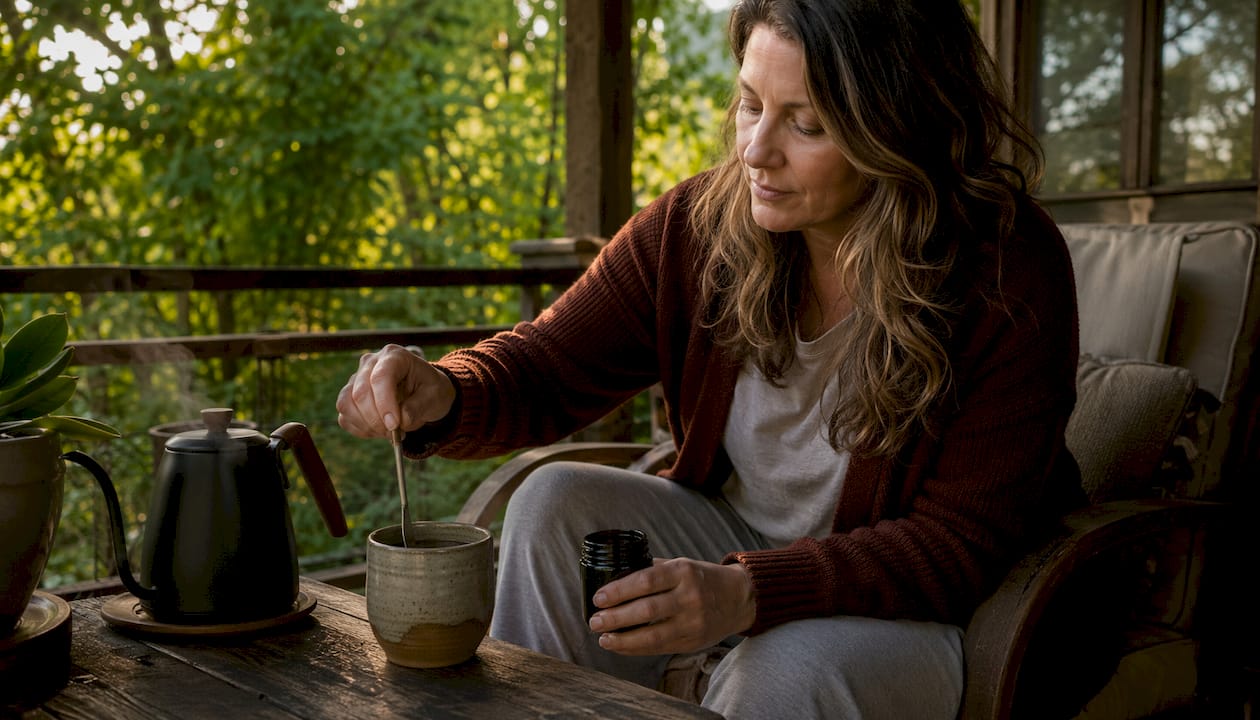
The instant mushroom coffee is the most convenient entry point for adaptogenic energy. Dissolves in hot or cold water in under a minute, making it practical for travel, office desks, or pre-meeting prep. Flavor is smooth and mild. Caffeine is moderate. If you’re new to mushroom coffee, this is the lowest-friction way to try it before committing to a bag of ground.
Cold-brew concentrate
Cold-brew concentrate uses a high coffee-to-water ratio and a long steep time (typically 12–24 hours), which produces a concentrated product with significantly higher caffeine per fluid ounce than standard drip. Dilute 1:1 with water or milk for a full serving, or take a smaller undiluted shot for a quick spike. Acid levels run low, which makes it one of the better options for people with sensitive stomachs.
Bottled espresso shot (RTD)
Ready-to-drink espresso shots are the fastest format on this list. No brewing, no waiting. The caffeine hits quickly because the volume is small and concentrated. RTD formats are consistently recommended for fast-onset energy, particularly for people who need a boost between meetings or before a workout. Flavor varies by brand, but a good RTD shot should taste like a real espresso, not a sweetened energy drink.
Low-acid medium roast
For people who want steady focus over several hours without stomach discomfort, a low-acid medium roast is the practical choice. Lighter roasts and certain origins (Brazilian, Sumatran) naturally produce lower acidity. Caffeine is moderate. Pair it with a small protein snack to slow absorption and extend the energy window.
L-Theanine-fortified coffee capsule
L-Theanine combined with caffeine reduces perceived jitteriness and produces a smoother cognitive boost than caffeine alone. Some capsule-format coffees, like the Bruvi Triple Death B-Pod, infuse L-Theanine directly into the brew. The result is high caffeine output without the anxiety spike. Useful for people who are sensitive to stimulants but still need a strong dose.
Dark-roast Mushroom Coffee
Thejcoffeecollection’s dark-roast mushroom coffee delivers the same Lion’s Mane, Cordyceps, and Reishi stack as the medium roast but with a bolder, more intense flavor profile. Slightly lower caffeine per gram than the medium roast (darker roasts lose a small amount of caffeine during roasting), but the difference is minor. Better for people who prefer a rich, smoky cup and want adaptogen support without switching to a milder roast.
Kopi Safari medium roast
The Kopi Safari is a bright, grounding medium roast from Thejcoffeecollection that sits at the lower end of the high-caffeine range. It’s the right pick when you want reliable daily energy without the intensity of a Robusta blend. Flavor is clean and balanced, which makes it easy to drink across multiple cups without palate fatigue.
Pro Tip: When comparing caffeine across formats, measure by weight rather than volume. Two tablespoons of cold-brew concentrate and two tablespoons of drip coffee are not equivalent doses. A kitchen scale and a consistent brew ratio give you repeatable results.
| Blend / Format | Best For | Caffeine Level | Est. mg/Serving | Format | Functional Add-ins | Acid Level |
|---|---|---|---|---|---|---|
| Max Caf Tanzania Robusta | Maximum spike | High | ~200–300 mg | Ground/beans | None | Medium |
| Breakfast Blend+ Extra Caffeine | Morning energy | High | ~150–200 mg | Ground | None | Medium |
| Mushroom Coffee Medium Roast | Sustained focus | Medium | ~100–150 mg | Ground/beans | Lion’s Mane, Cordyceps, Reishi | Low–Medium |
| Mushroom Instant Coffee | Convenient adaptogenic energy | Medium | ~80–120 mg | Instant | Lion’s Mane, Cordyceps, Reishi | Low |
| Cold-brew concentrate | Fast onset, low acid | High | ~150–250 mg | RTD/concentrate | None | Low |
| Bottled espresso shot (RTD) | Instant spike | High | ~120–150 mg | RTD | None | Medium |
| Low-acid medium roast | Steady focus, sensitive stomach | Medium | ~90–130 mg | Ground/beans | None | Low |
| L-Theanine-fortified capsule | Smooth energy, no jitters | Medium–High | ~150–200 mg | Capsule | L-Theanine | Medium |
| Dark-roast Mushroom Coffee | Bold flavor + adaptogens | Medium | ~90–140 mg | Ground/beans | Lion’s Mane, Cordyceps, Reishi | Low–Medium |
| Kopi Safari medium roast | Balanced daily energy | Medium | ~90–120 mg | Ground/beans | None | Low–Medium |
Caffeine estimates are approximate and vary by brew method, grind size, and serving volume.
Why Robusta blends and concentrated formats hit harder
The fastest energy from coffee comes down to two things: bean type and brew concentration. Robusta beans contain roughly 2–3% caffeine by bean weight compared with Arabica’s 0.8–1.2%. That gap is why a Robusta-forward blend like the Max Caf Tanzania Robusta can deliver nearly double the caffeine of a standard Arabica drip at the same serving size.
Roast level plays a smaller role than most people expect. Dark roasts lose a marginal amount of caffeine during roasting, but the difference between a light and dark roast of the same bean is minor. Bean type and brew concentration matter far more.
| Variable | Robusta | Arabica |
|---|---|---|
| Caffeine by bean weight | higher caffeine content | lower caffeine content |
| Typical drip (8 oz) | notably higher caffeine dose | moderate caffeine dose |
| Espresso (1 oz shot) | elevated caffeine | moderate caffeine |
| Cold-brew concentrate (2 oz) | concentrated caffeine | less concentrated caffeine |
Extraction variables shift the final number significantly. Finer grind increases surface area and pulls more caffeine from the grounds. Longer steep time (as in cold brew or French press) raises total extraction. Higher water temperature accelerates the process for hot-brew methods. Cold-brew concentrates and long-steep immersion methods commonly yield higher caffeine per serving than standard drip at the same coffee-to-water ratio.
- Finer grind = higher caffeine extraction (use medium-fine for drip, coarse for cold brew)
- Longer steep = more caffeine (cold brew: 12–24 hours; French press: 4–5 minutes)
- Higher water temperature = faster extraction (195–205°F is the Specialty Coffee Association’s recommended range for hot brew)
- Higher coffee-to-water ratio = stronger, more caffeinated cup
Pro Tip: To reduce caffeine without switching blends, split a cold-brew concentrate serving in half and top with extra water. You get the flavor profile at roughly half the dose, which is useful for an afternoon cup when you’re already close to your daily limit.
Adaptogens and add-ins that support sustained focus
Raw caffeine spikes alertness fast but fades just as quickly. Adaptogens and certain nootropic add-ins work differently: they tend to smooth the stimulant curve and, with consistent use, support the kind of steady cognitive output that a second espresso shot can’t replicate.
Lion’s Mane mushroom is the most studied of the functional mushrooms for cognition. Research on adaptogenic mushrooms shows that benefits for mental clarity and resilience are often cumulative rather than immediate, meaning you’ll notice more after two weeks of daily use than after a single cup. Cordyceps is associated with physical endurance and oxygen utilization, which makes it a natural pairing for pre-workout coffee. Reishi acts primarily as a stress modulator, reducing the cortisol-driven crash that often follows a high-caffeine session.
MCT oil slows caffeine absorption slightly and provides a fast-metabolizing fat source that the brain uses efficiently. Adding a teaspoon to your morning cup extends the energy window without adding more caffeine. Cinnamon has a modest effect on blood sugar stability, which can reduce the post-coffee energy dip. Cacao adds a small amount of theobromine, a milder stimulant that complements caffeine without amplifying jitteriness.
L-Theanine is the most evidence-backed add-in on this list. Clinical research shows that L-Theanine combined with caffeine improves attention and reduces anxiety-related symptoms compared with caffeine alone. The effect is noticeable within a single dose, unlike most adaptogens. For people who experience jitteriness or a mid-morning crash, pairing L-Theanine with a high-caffeine blend is the most direct fix.
Caffeine typically reaches peak concentration in the bloodstream 30–60 minutes after ingestion. That window is where L-Theanine’s smoothing effect matters most. If you’re using a mushroom coffee for cognitive support, pair it with plant-based energy supplements or a consistent morning routine to let the cumulative adaptogen benefits build over time.
How to dose and time your coffee for peak focus
The FDA’s 400 mg/day guideline is the practical ceiling for healthy adults. Most people get the best results by front-loading caffeine in the first half of the day and tapering off by early afternoon to protect sleep quality.
Four dosing scenarios:
- Morning spike (commute or early meeting): One serving of cold-brew concentrate or a double espresso shot, 30–60 minutes before you need peak alertness. Aim for 150–200 mg in a single dose.
- Long-focus day (study session or deep work): Start with a moderate medium roast (90–130 mg) and add L-Theanine (100–200 mg). Follow with a second moderate cup 3–4 hours later rather than a second high-caffeine dose.
- Pre-workout: A Robusta-forward blend or cold-brew concentrate 30–45 minutes before training. Cordyceps-containing mushroom coffee is a reasonable pairing for endurance work.
- Safe afternoon taper: Switch to a low-caffeine medium roast or mushroom instant coffee after 2 PM. Keeps you functional without pushing total daily intake past 400 mg or disrupting sleep onset.
Crash-mitigation strategies:
- Pair your first cup with protein or healthy fat (eggs, nuts, full-fat yogurt) to slow caffeine absorption
- Space doses at least 3–4 hours apart rather than stacking them
- Add L-Theanine or MCT oil to high-caffeine cups to smooth the descent
- Drink 8–12 oz of water per cup of coffee to offset dehydration, which amplifies fatigue
- Stop caffeine intake by 2–3 PM if you want to be asleep by 10–11 PM
Who should avoid high-caffeine blends:
- Pregnant or breastfeeding individuals (most guidelines recommend under 200 mg/day)
- People with uncontrolled hypertension or cardiac arrhythmia
- Adolescents under 18
- Anyone taking stimulant medications, MAOIs, or certain antidepressants — check with a prescriber
Pro Tip: If you’re sensitive to caffeine, try the Mushroom Instant Coffee as your first cup and save the Robusta blend for days when you genuinely need maximum output. Tolerance builds quickly, so cycling between high and moderate options keeps both effective.
How these blends were selected
Every pick on this list was evaluated against five criteria:
- Caffeine profile: Does the blend deliver a meaningful, predictable dose? Robusta content, format concentration, and estimated mg/serving were weighted heavily.
- Ingredient transparency: Adaptogenic and functional add-ins must be named (Lion’s Mane, Cordyceps, Reishi, L-Theanine) rather than hidden in a “proprietary blend” label.
- Format utility: The list covers ground, instant, RTD, and concentrate formats because different situations call for different prep times.
- Flavor balance: High caffeine shouldn’t mean undrinkable. Each pick was assessed for whether the flavor profile holds up at the dose needed for real energy output.
- Stomach sensitivity: Acid level matters for daily drinkers. Low-acid options are flagged throughout.
The core selection principle: a blend earns its spot by solving a specific energy problem reliably, not by having the most marketing claims on the label. Caffeine figures were cross-referenced against bean-type data and format norms; adaptogen claims were held to products that name their functional ingredients and dosages.
The three rating badges used throughout this article:
- High caffeine: Robusta-forward or concentrate format; typically 150 mg+ per serving
- Functional adaptogen: Contains named mushrooms or nootropic add-ins at disclosed amounts
- Low-acid: Suitable for daily use by people with acid sensitivity or reflux
Thejcoffeecollection products were selected because they meet all three criteria across different format types, from the raw-power Max Caf Tanzania Robusta to the functional Mushroom Instant Coffee.
Key Takeaways
The single most useful rule: match your blend to your situation, keep total daily caffeine under 400 mg, and use adaptogens consistently to see their full benefit.
| Point | Details |
|---|---|
| Max caffeine spike | Robusta-forward blends like Max Caf Tanzania Robusta deliver the highest mg/serving; best for mornings or pre-workout. |
| Sustained focus | Mushroom Coffee Medium Roast with Lion’s Mane and Cordyceps supports steady cognitive output over hours, not minutes. |
| Crash reduction | L-Theanine paired with caffeine reduces jitteriness and smooths the energy curve; clinical studies show most benefit at doses between 100 and 200 mg of L-Theanine alongside a high-caffeine cup. |
| Safe daily ceiling | The FDA sets 400 mg/day for healthy adults; front-load doses before noon and taper after 2 PM to protect sleep. |
| Thejcoffeecollection picks | The Max Caf Tanzania Robusta, Breakfast Blend+ Extra Caffeine, Mushroom Coffee Medium Roast, and Mushroom Instant Coffee cover every use case on this list. |
The taste vs. power trade-off nobody talks about enough
Most energy-coffee guides treat caffeine content as the only variable worth optimizing. That’s a mistake. The blend you’ll actually drink every day at the right dose is more valuable than the one with the highest mg/serving that you cut with cream and sugar to make tolerable.
The Robusta-forward picks on this list are genuinely powerful, but they’re an acquired taste. Tanzania Robusta has an earthy, almost rustic character that some people love and others find too aggressive for daily use. If that’s you, the Mushroom Coffee Medium Roast or the Breakfast Blend+ Extra Caffeine give you a meaningful caffeine boost in a cup that’s easy to drink black, which matters when you’re trying to keep the calorie count low.
The adaptogen argument is also more nuanced than most articles admit. Lion’s Mane and Cordyceps don’t produce a noticeable effect on day one. The cumulative benefit is real, but it requires consistency. If you try mushroom coffee once and expect a cognitive surge, you’ll be disappointed. Think of it as a two-week experiment, not a single-cup test.
The most practical advice: start with the Mushroom Instant Coffee for a week to establish a baseline, then layer in the Max Caf Tanzania Robusta on high-demand days. That combination covers both the immediate spike and the longer-term focus support without pushing daily caffeine past a sensible limit. For readers who want to complement their coffee routine with nutritional support, energy-boosting vitamins can fill gaps that caffeine alone doesn’t address.
Get the featured blends from Thejcoffeecollection
Every blend on this list that carries a Thejcoffeecollection label is available directly through their coffee collection. The four core picks — Max Caf Tanzania Robusta, Breakfast Blend+ Extra Caffeine, Mushroom Coffee Medium Roast, and Mushroom Instant Coffee — cover the full range from raw caffeine power to functional adaptogen support.
If you’re new to mushroom coffee or unsure which roast level fits your palate, the mushroom coffee collection groups all three roast options in one place so you can compare before buying. For first-time buyers, starting with the Mushroom Instant Coffee is the lowest-commitment way to test adaptogenic coffee before investing in a full bag of ground. One serving tells you whether the flavor profile works for you. From there, the medium or dark roast mushroom coffee gives you the same functional stack with a fuller, more complex cup.
Useful sources
- FDA: How Much Caffeine Is Too Much? — Supports the 400 mg/day daily limit and general caffeine safety guidance
- AboutCoffee.org: What Is Coffee? — Robusta vs. Arabica caffeine ranges by bean weight (2–3% vs. 0.8–1.2%)
- PubMed: L-Theanine and caffeine synergy — Clinical evidence for L-Theanine reducing jitteriness and improving attention alongside caffeine
- PMC: Adaptogens and functional mushroom effects — Evidence base for Lion’s Mane, Cordyceps, and Reishi; cumulative vs. immediate effects
- TeaOrCoffee.com: Best Coffee Beans for Energy — Extraction variables and cold-brew caffeine concentration
- DropOfDrink.com: Best Coffee for Morning Energy — RTD and cold-brew concentrate format recommendations
- CoffeePlusThree.com: Which Coffee Gives You the Most Energy — Robusta-forward blend recommendations and high-caffeine product context
- CAFELY: Best Coffee to Stay Awake — Robusta-based brew recommendations for tiredness and alertness
- CoffeeLovers101.com: Best Adaptogenic Coffee Blends — Common mushroom and MCT formulations in adaptogenic coffee products
Recommended
- 10 Most Popular Coffee Blends to Try – The J Coffee Collection
- Breakfast Blend+ Extra Caffeine Coffee – Medium Roast | Lets Go Coffee – The J Coffee Collection
- Max Caf High Caffeine Coffee – Tanzania Robusta Blend | Lets Go Coffee – The J Coffee Collection
- 10 Popular Flavored Coffee Options – The J Coffee Collection